Your Complete Guide To Flask for Web Development


Building a web app today means choosing the right framework, and that choice can shape the success of your project. The Flask Python framework has become one of the top options for developers and businesses.
It is known for being light, simple, and flexible. With Python Flask web development, teams can move from idea to working app faster, which makes it great for startups and enterprises alike.
Flask offers the core tools you need, like routing, templates, and request handling. You can then add extra features when the project grows. This makes Flask for web development cost-friendly and easy to scale. Many businesses also pick Flask because it works well with databases, APIs, and even advanced tech like AI or IoT.
In this guide, we will explore Flask in detail, its advantages, features, use cases, and how it helps businesses grow.
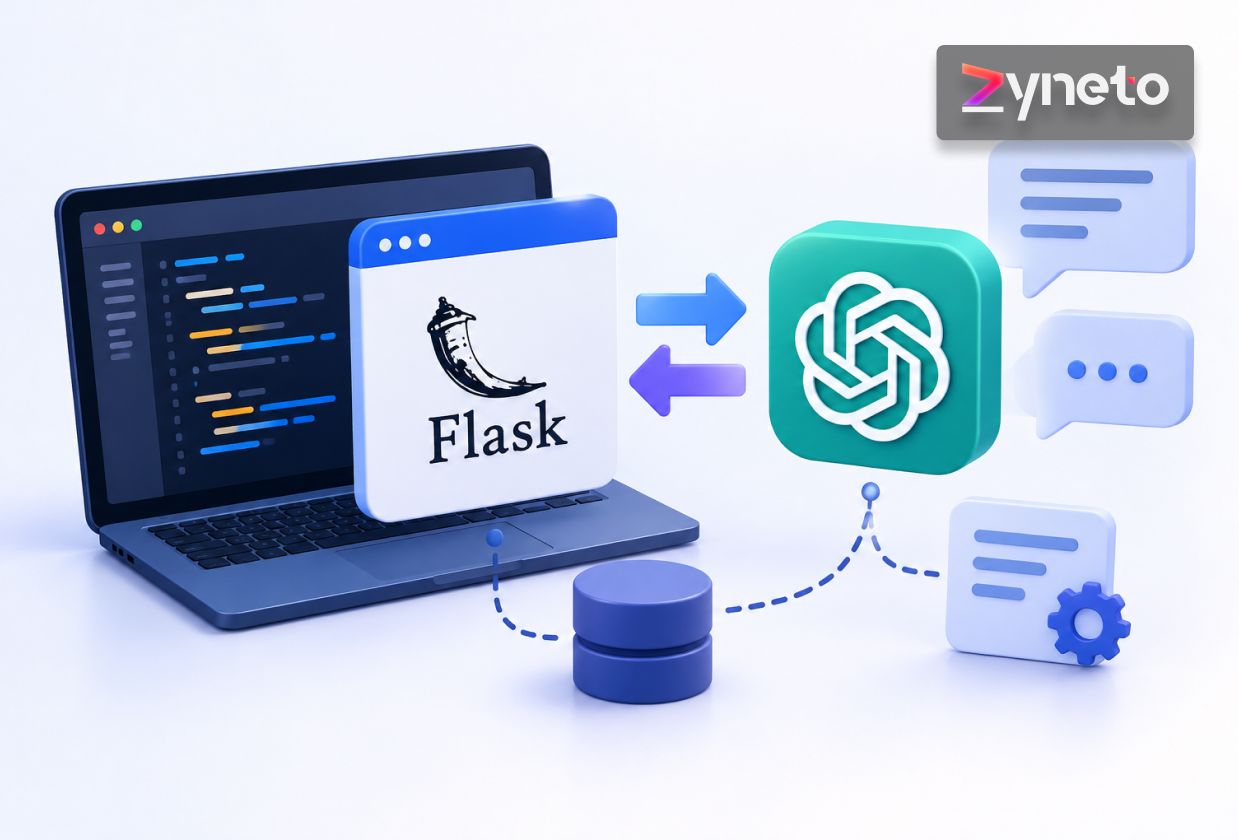
Flask is a Python microframework for web applications. This means it gives you the basics like routing, templates, and request handling, but it does not lock you into one way of building.
You can choose what you need and add more later. This makes Flask for web development useful for both small and large projects.
A simple blog, a school project, or even a company dashboard can be made with Flask. It stays light but allows full control. The word “micro” does not mean it is weak. It simply means you can shape it the way you want.
Developers prefer Flask for building web apps because it is simple and flexible. Startups use it to launch products quickly. Large companies utilize it to manage complex applications.
With Python Flask web development, you can also link with tools for data, AI, or even smart devices. This makes it useful in many industries.
Because of this, Flask web development is often chosen for MVPs, SaaS apps, and enterprise platforms. It can handle small projects and scale up for large ones, which keeps it popular in modern software development.
The Flask for web development ecosystem is one of its biggest strengths. Since it is open source, developers all over the world share libraries, plugins, and guides. This makes adding features like login, payments, or security simple.
If you face a problem, chances are the community already has a solution. Businesses trust the Flask Python framework because updates and support are steady. Developers like it because they don’t feel stuck, as help is always available.
From online forums to tutorials and case studies, the community keeps growing.
This strong support system means Flask web development, combined with expert Python development services, is not only flexible but also reliable for long-term projects in any field.
The above section itself defines why the Flask development framework is popular and the key benefits associated with it. Let’s highlight some of the key advantages of using Flask.
The Flask Python framework is light, which means it comes with only the basics. This is good because you don’t get lost in extra code you don’t need. Developers can set up a project quickly and then add more features later.
If an idea changes, you can adjust the app without too much trouble. The simple structure also helps beginners learn quickly. At the same time, experts enjoy the control it gives them over how the app is built and grown.
Most apps need to save and share data. With Flask database integration, you can connect to systems like MySQL, PostgreSQL, or MongoDB without much effort. Flask also makes it easy to work with APIs, so your app can talk to other services.
For example, an online shop can connect to payment services, or a travel site can link to flight trackers. This flexibility makes Flask backend development very useful in real projects. Instead of writing long code for every feature, developers can plug in the tools they need.
Apps often start small but grow as more people use them. The framework supports this growth by making Flask scalable web apps possible. Developers can use the Flask microservices architecture, which splits one big app into many small ones. This makes updates safer and easier.
Another option is Flask's modular architecture, which keeps the code clean and organized. Startups like it because they can build an app quickly and add features later. Large companies like it because they can keep apps stable while serving thousands of users.
Building with the Flask lightweight framework can save money. As it is simple to set up, developers don’t need to spend weeks before seeing results. Many libraries are free and open source, so businesses don’t pay for extra tools.
Over time, apps stay easy to fix because the structure is clear. That is why Python Flask web development is seen as both fast and affordable. It lets teams save money while still delivering strong results.
There are many tools for building web apps, and each one works in its own way. Some give you everything at once, while others let you add only what you need.
Let’s compare the Flask Python framework with Django, NodeJS, and Ruby on Rails, and understand how they differ, so you can choose what fits your goals.
Flask and Django are both written in Python, but they serve different needs.
Django is a large framework. It comes with built-in tools like user login, admin dashboards, and database support. This makes it quick to build apps that follow common patterns.
The Flask Python framework is light. It only gives the basics, like routing and templates. You add extra parts when needed. This makes it flexible and easy to control.
Flask for web development is great for startups and small teams that want freedom. Django works well for big projects that need a complete setup right away.
NodeJS is not a framework but a way to run JavaScript outside the browser. Developers often use it with ExpressJS to build web apps. NodeJS is good at handling many requests at the same time, so it works well for real-time apps like chat or live updates.
The Flask Python framework is easier for teams who already know Python. With Flask backend development, you can link your app to Python tools for data, AI, or machine learning.
For businesses that use Python in other parts of their work, Python Flask web development keeps everything in one language. If your team is strong in JavaScript, NodeJS may be the better choice.
Ruby on Rails is another popular framework. It has many built-in features and is known for speeding up development. Many startups use it to build e-commerce or social apps.
The Flask Python framework is lighter and gives more choice in how you build. Rails can be great if your app follows a common path. But if you want freedom to shape the app your way, Flask is better.
Python Flask web development is also easier for teams that already know Python. Both tools can make strong apps, but Flask offers more flexibility while Rails offers more speed at the start.
No single framework is perfect for every project.
If you want many features ready from the start, Django or Rails might be a good match. If your team builds mostly in JavaScript, NodeJS is a natural choice.
But if you want flexibility, control, and simple growth, Flask app development is often best. Many startups, small businesses, and even large companies use Flask because it gives them room to grow. It delivers the right mix of speed and freedom, making it a smart option for many goals.
The Flask Python framework is simple, but it has the right tools to build real web apps. These features make it easy for beginners to start and useful for a web development company to work on bigger projects.
Below are the core features of the Flask development framework.
Routing controls happen when someone visits a page on your site. With the Flask Python framework, you can set up routes in just a few lines of code.
For example, you can create a route for the home page, one for the login page, and another for products. Each route is linked to a function that decides what the visitor will see. You can even make routes that change with user input, like showing different blog posts using the post ID.
This makes Flask for building web apps flexible and helps developers keep apps neat and organized.
Flask uses Jinja2 as its template engine. Templates let you combine HTML with Python code to make web pages dynamic. This means the content on the page can change based on data.
For example, an online shop can display names, prices, and images of products by passing data to the template. Developers like this feature because it keeps design and logic separate.
With Jinja2, Python Flask web development becomes faster since you don’t need to repeat the same code again and again. Loops and conditions in templates also make it easy to handle different types of data.
APIs allow apps to share information with other apps or platforms. The Flask Python framework makes REST API development with Flask simple and flexible. You can create endpoints that send or receive data in JSON format.
For example, a weather app can provide live temperature updates to users, or a finance app can share stock prices. Businesses use APIs to connect their web apps with mobile apps or third-party services.
Flask is light on its own, but you can expand it using extensions. These add features like login, security, caching, or database tools. Middleware works in the background to handle requests, logging, or errors.
Developers often use Flask's modular architecture to split apps into smaller parts, making them easier to manage. Extensions also support Flask database integration, which saves time since developers don’t need to code everything from scratch.
Learning about features is good, but starting a project is where the real work begins. The Flask Python framework is simple to set up, which makes it a great choice for beginners and businesses.
With a few steps, anyone with basic Python skills can try Python Flask web development and build a working web app without much trouble.
Before starting, you should know simple Python code and have a little idea about how websites work. HTML, CSS, and HTTP are enough to get going. These basics help you understand what Flask does.
With this knowledge, the Flask Python framework feels easy to learn. For a mobile app development company, this is good news, since developers who already know Python serve as a foundation and make Python Flask web development smooth from the very first step.
The setup process is fast. First, install Python on your computer. Then create a virtual environment, so your files stay clean and safe. After that, install Flask with a simple pip command.
That’s it, your Flask web development framework is ready to use. This small setup is a big advantage for businesses. It means developers can test ideas quickly without wasting time.
Once Flask is installed, you can start your first project with a file called app.py. Writing a few lines of code will let your app show “Hello, World!” in a browser. This is often the first test.
From here, you can add pages, templates, or even connect a database with Flask database integration. For larger projects, teams use Flask's modular architecture to split apps into smaller parts, like login, products, or APIs. This makes it easier to handle growth.
Flask comes with a built-in test server. You can run your app and view it at localhost:5000 in the browser. When you change the code, the server updates right away.
This helps developers test ideas quickly and get instant results. It’s a simple but important part of Python Flask web development, letting teams check their work before moving forward.
After the first version works, you can start adding more. Use Flask backend development to connect with databases, build APIs, or add dashboards. For example, a store can begin by showing products, then later add payments and tracking.
Companies often use Flask dashboards and analytics to watch data, or choose Flask for MVP development to test new ideas. The Flask web development framework makes it easy to grow step by step.
Many apps start small but grow fast when more people begin to use them. Hence, businesses need a framework that can keep up with this growth. The Flask Python framework is built for this.
It works for small startups, medium-sized businesses, and even big companies. With Python Flask web development, teams can scale without slowing down.
A lot of companies start with an MVP, which is the first version of the app with only the must-have features. Flask for MVP development is perfect for this because it is simple to set up and fast to use.
With Flask app development, a team can turn an idea into a working app in just a short time. If changes are needed, the app can be updated easily. It lets them test with users, make improvements, and expand once the idea is proven.
The Flask Python framework works very well with other Python tools. This makes it easy to link web apps with machine learning, artificial intelligence, or data analysis.
For example, a bank can use Flask with AI to spot fraud. A healthcare app can use Python Flask web development with machine learning to track patient progress. Businesses also add Flask dashboards and analytics to see reports in real time.
When apps grow, keeping them secure becomes very important. Flask supports many security options through extensions. With Flask backend development, you can add login systems, user roles, and secure sessions.
There are also tools to block common threats like cross-site scripting. The Flask web application development process includes libraries that make security easier to handle. Enterprise web apps using Flask offer peace of mind while scaling.
Many big companies trust Flask. Netflix used it to run some of its internal tools. Pinterest used Flask when it was growing quickly. LinkedIn also used it for certain services.
These examples show how Flask microservices architecture and Flask asynchronous web apps work in real life. They prove Flask can power apps for millions of users.
The Flask Python framework is very flexible. This is why it can be used in many different industries.
Because it is simple, fast, and easy to grow, Python Flask web development works well for all kinds of projects. Let’s explore some use cases of Flask in modern web development.
SaaS is an app that people use online without downloading. Examples include tools for emails, notes, or project tracking. SaaS apps must be fast, easy to update, and safe to use.
Flask is a good choice because it is light and can grow with the business. Many teams build SaaS apps with Flask since it supports scalable web apps. Startups often use Flask web development for startups to release products quickly and add more later.
Online stores need to show products, manage payments, and keep customer data safe. Flask makes all this possible. With Flask database integration, stores can track products, orders, and users.
APIs make it easy to connect to payment systems and shipping partners. Many small shops pick e-commerce apps using Flask because they are quick to set up and save money. Big e-commerce companies also use it since Flask can handle more traffic as the business grows.
Money apps must be safe and fast. Flask helps with both. The Flask web application development process supports strong login systems and secure data handling.
With Flask backend development, developers can add features like fraud detection or credit scoring by linking AI models. Many fintech startups use Flask because it is flexible and less costly.
Big banks and finance firms also choose Flask when they need to add new tools without changing their whole system.
Businesses need dashboards to track performance, and Flask is a good option for this. With Flask dashboards and analytics, companies can watch sales, customer activity, or website traffic in real time.
Flask also works well with AI and data tools, so dashboards can show reports and even predict trends. This is why many teams build Flask for modern web applications to give managers clear and smart insights for faster decision-making.
The Internet of Things (IoT) connects devices like sensors, cars, or home gadgets. Flask helps build apps that collect and display this data. For example, real-time web apps with Flask can show temperature readings from sensors on a dashboard.
Some businesses also use IoT-enabled Flask web apps to control devices from anywhere. Since Flask is light and works well with APIs, it is often chosen for connected devices in both startups and big companies.
Investors want projects that grow fast, change when needed, and give good returns, which is possible through the Flask Python framework. It helps teams build apps quickly and expand them later.
Apps built with Python Flask web development can launch faster, save money, and scale to handle more users. These points make Flask projects attractive to investors.
Time is very important for investors. The sooner an app goes live, the sooner it can earn money. Flask is light and simple, so developers save time during setup. With Flask for web development, a business can build and launch apps in less time compared to bigger frameworks.
Once the idea works, teams can add new features without starting over. Investors like this because Flask app development leads to quick results and faster returns on their money.
Markets change often, and startups must adjust. Flask helps with this. Its design supports Flask scalable web apps, so developers can add or remove features without much trouble. It also works well with APIs and Flask frontend integration, which makes changes smoother.
For investors, this flexibility reduces risk. A company using Flask can shift its focus when needed. That ability to pivot keeps the business strong, which is what investors want to see before they invest.
Investors also look at how apps will perform when user numbers grow. Flask can scale in many ways. Developers can use Flask microservices architecture to split big apps into smaller parts. They can also use caching and Flask asynchronous web apps to handle heavy traffic.
This makes apps faster and more reliable. For high-use platforms, such as banking apps or online shops, this is very important. Investors feel safer knowing Flask apps can serve many users without losing speed or quality.
Some big names trusted Flask when they were growing. Pinterest used it during its early years. Netflix used Flask for internal tools. LinkedIn also used it in some services. These examples show that Flask-powered web solutions can scale and succeed.
For investors, this proves that Flask is not only for small apps. It has supported startups that grew into global platforms and even reached successful exits. That history makes Flask-based projects more appealing to back financially.
When building a web app, cost is always a key point. Businesses want apps that work well but also fit their budget. The Flask Python framework helps with this.
With Python Flask web development, companies can save money both now and later, as it is easy to set up and has a low cost of maintenance.
The cost of a Flask app depends on how big and complex it is. A small app, like a blog or a school project, usually costs less.
Larger apps like e-commerce stores or finance apps cost more because they need stronger safety, Flask database integration, and advanced features. Design, hosting, and testing also add to the cost.
Still, the Flask web development framework is often cheaper than heavy frameworks like Django or Rails.
Many things can change the price of a Flask project. The first is complexity. Apps with many features take longer to build and cost more.
For example, adding Flask modular architecture or AI dashboards needs extra work. The second factor is the skill level of the team. Experienced developers may charge more but finish projects faster and make fewer errors.
The third factor is scalability. Apps that must handle many users require Flask scalable web apps and stronger hosting. These cost more at the start but save money later because the app does not break when traffic grows.
Using Flask also saves money in the future. The Flask lightweight framework is easy to update. Developers can add features or fix bugs without rebuilding the whole app.
Many tools and extensions are free, so businesses avoid high license costs. Apps built with Flask for modern web applications can also grow step by step, which helps control budgets.
Partnering with professional web development services ensures these cost savings are maximized while keeping the app scalable.
These savings make Flask a smart choice for startups and enterprises. It gives businesses strong apps at a price that fits their needs.
Building a strong app is not easy, but the right partner makes it simple. That is where we come in. As a trusted partner, Zyneto creates apps that fit your business goals. Our focus is on apps that are fast, secure, and easy to grow.
We have experience developing both mobile and web applications, hence we can help you reach users on both web and mobile. This gives your business more reach and better results. Our team works closely with you to make sure the app meets your needs.
When it comes to Flask, Zyneto is an experienced Flask development company. We know how to use the Flask Python framework to build apps for startups, small businesses, and large enterprises. From MVPs to advanced platforms, we create solutions that save time and reduce costs.
Working with us means more than just coding. We listen, plan, and deliver. With our skills in Python Flask web development, your project is in safe hands, and your business can move forward with confidence.
The Flask Python framework is a simple but powerful way to build web apps. It is easy to set up, flexible to change, and strong enough for big companies. With Python Flask web development, businesses can start small with a test version and later grow into a full product.
Flask is used in many areas. Startups use it for MVPs. Shops use it for online stores. Banks and finance firms use it for safe apps. Companies also use it for Flask for modern web applications like dashboards and IoT projects. Because it is trusted by well-known brands, businesses of all sizes can rely on it.
The next step is to see how Flask fits your goals. If you need something simple, you can try Flask for building web apps right away. If you need something bigger, the Flask web development framework supports growth step by step.
With the right partner like Zyneto, Flask helps you save money, move faster, and deliver strong results. Now is the time to turn your ideas into real apps.
Yes. Flask may be a lightweight framework, but it can handle enterprise-level projects. With modular architecture, microservices, and database integration, Flask scales smoothly as your user base grows.
Django is a full-stack framework with built-in features, while Flask is more flexible and lightweight. Businesses often choose Flask when they want more control, scalability, and custom solutions without unnecessary overhead.
The cost depends on project size, features, and complexity. A simple app like a blog costs less, while advanced apps with AI, APIs, or custom dashboards cost more.
Absolutely. Flask works seamlessly with Python libraries and tools, making it perfect for projects that involve AI models, IoT devices, or data analytics dashboards.
Flask is versatile. Startups use it for MVPs, SaaS, or e-commerce apps. Enterprises use it for dashboards, internal tools, and large platforms. Big names like Netflix, Pinterest, and LinkedIn have all used Flask in their projects.

Vikas has around fifteen years of experience building software and now builds generative AI systems at Zyneto. His work covers retrieval augmented generation, agentic AI, knowledge graphs, AI memory, and the evaluation and guardrails that decide whether any of it is safe to put in front of customers. He has shipped enterprise copilots, document AI, chatbots and predictive analytics for e-commerce, fintech and marketing teams, and works day to day in Python, JavaScript and SQL. He follows multimodal models, business process automation and enterprise AI security closely, and mentors engineers moving into AI. He writes about architecture, inference cost and the failure modes that only show up at production scale.
Share your details and we will talk soon.
Be the first to access expert strategies, actionable tips, and the trends actually shaping the digital world. No fluff - just practical insights delivered straight to your inbox.
Dive into our blog and stay ahead of the curve with expert perspectives, future-ready trends, and tech tips written for decision-makers and doers alike.