Technology Insights and Latest News
Expert insights and trends across web development, cloud, AI, and enterprise software.



Event Ticketing App Development Cost: Built for Ninety Seconds a Year
A ticketing platform is idle for weeks, then takes a year of traffic in ninety seconds. That one fact decides the architecture and the price.


Why AI Pilots Don't Reach Production: One Statistic, Four Meanings
Eighty per cent, eighty-eight, ninety-five, sixty. Four studies, four definitions, and none of them is measuring what you think.
Audiobook App Development Cost: Where the Rights Model Eats the Budget
An audiobook app pays for everything a podcast app skips. Three parties per title, DRM on every file, and a CDN bill 13 times larger per download.
What AI Costs to Run: Token Economics for a Product That Ships
Output tokens cost three to five times input tokens. Most teams discover that from an invoice rather than from a design decision.
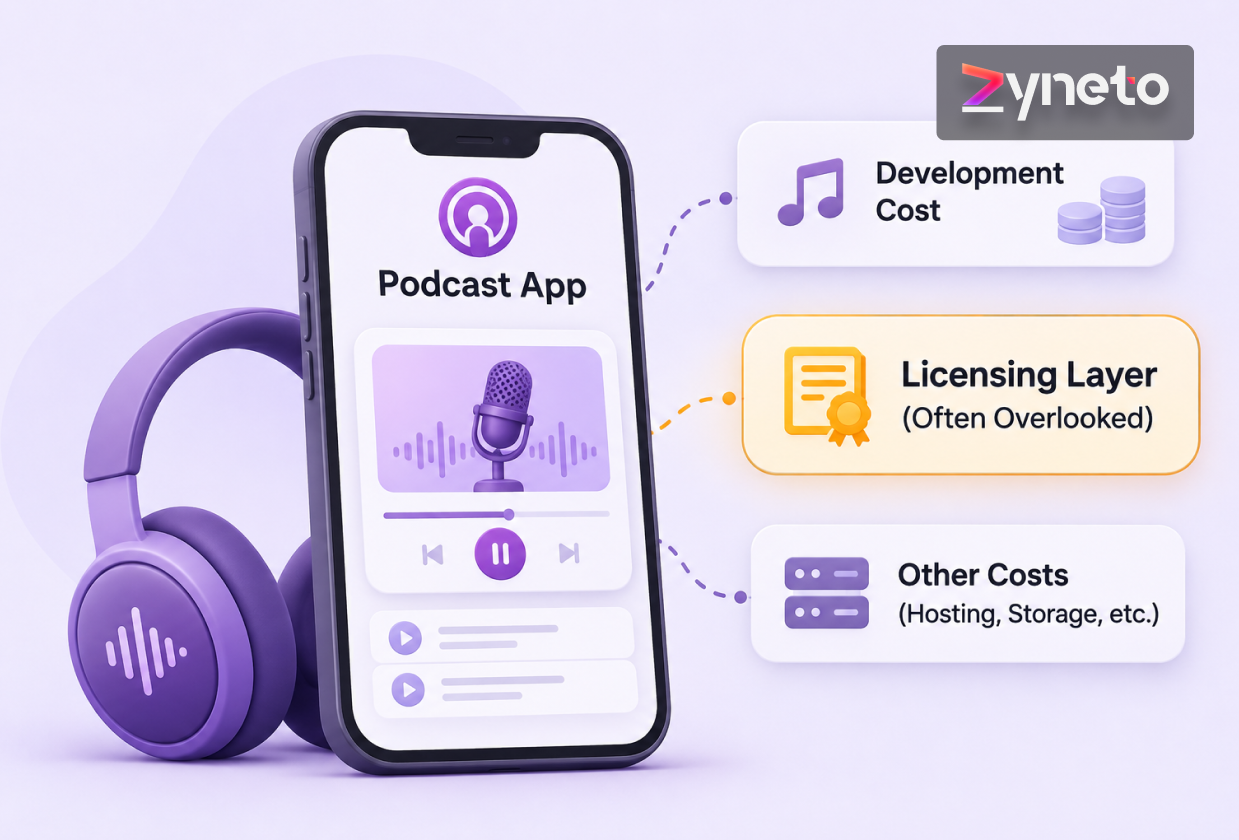
Podcast App Development Cost: The Licensing Layer You Don't Pay For
A podcast app is a rights platform with the rights removed. 900 of 1,480 published hours disappear, and the money moves to bandwidth instead.
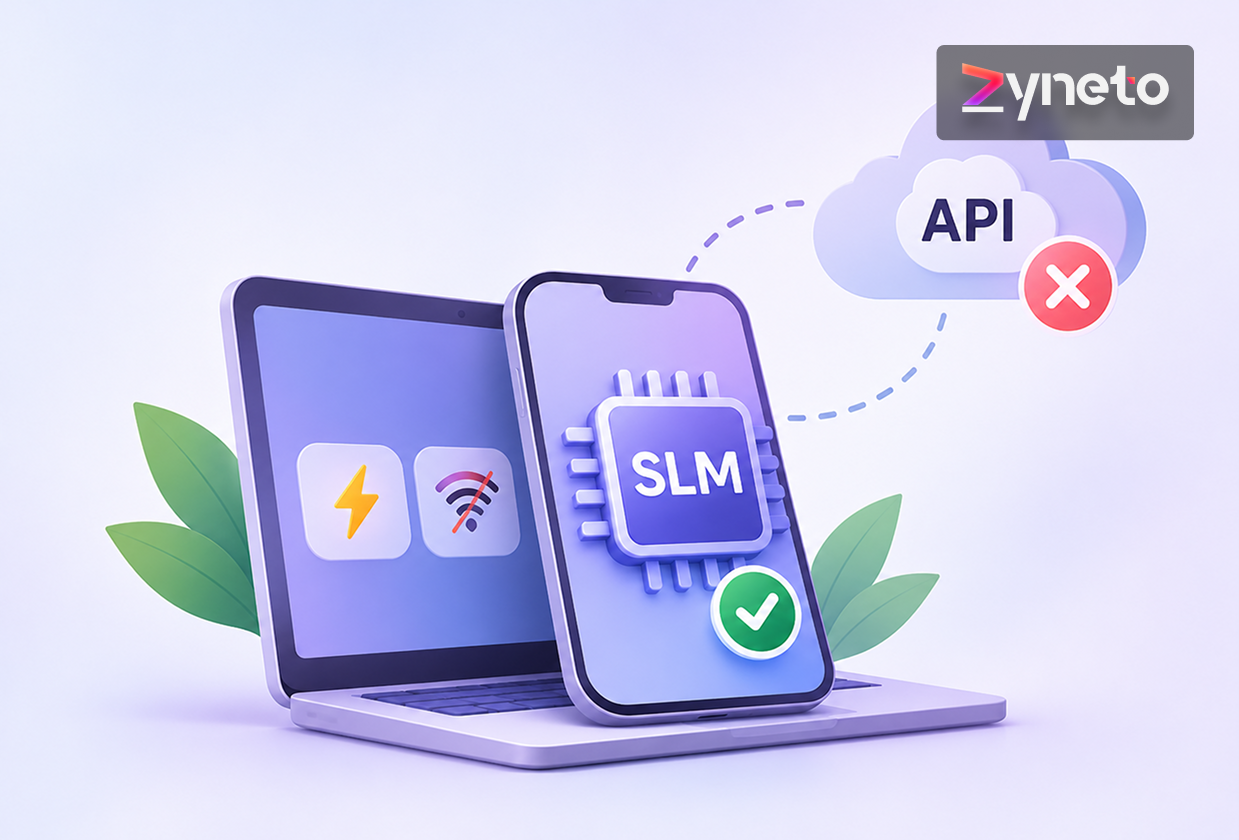
Small Language Models On Device: When Local Beats the API
On-device inference costs nothing per query and answers in under 300ms. It is also worse at reasoning. The split is per feature, not per product.
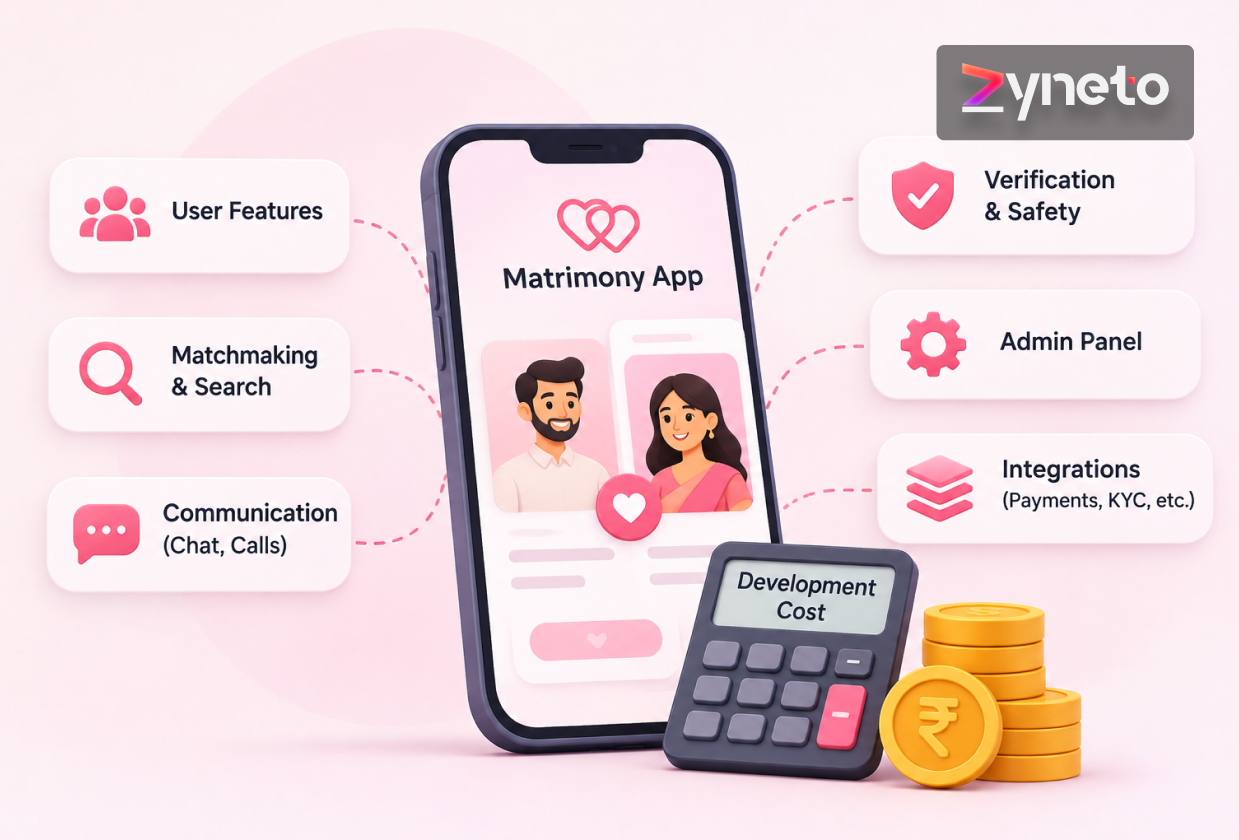
Matrimony App Development Cost: What Actually Drives the Number
Matrimony app development costs $40 to $100 an hour by role. What moves the total is horoscope matching: five inputs, two chart formats.
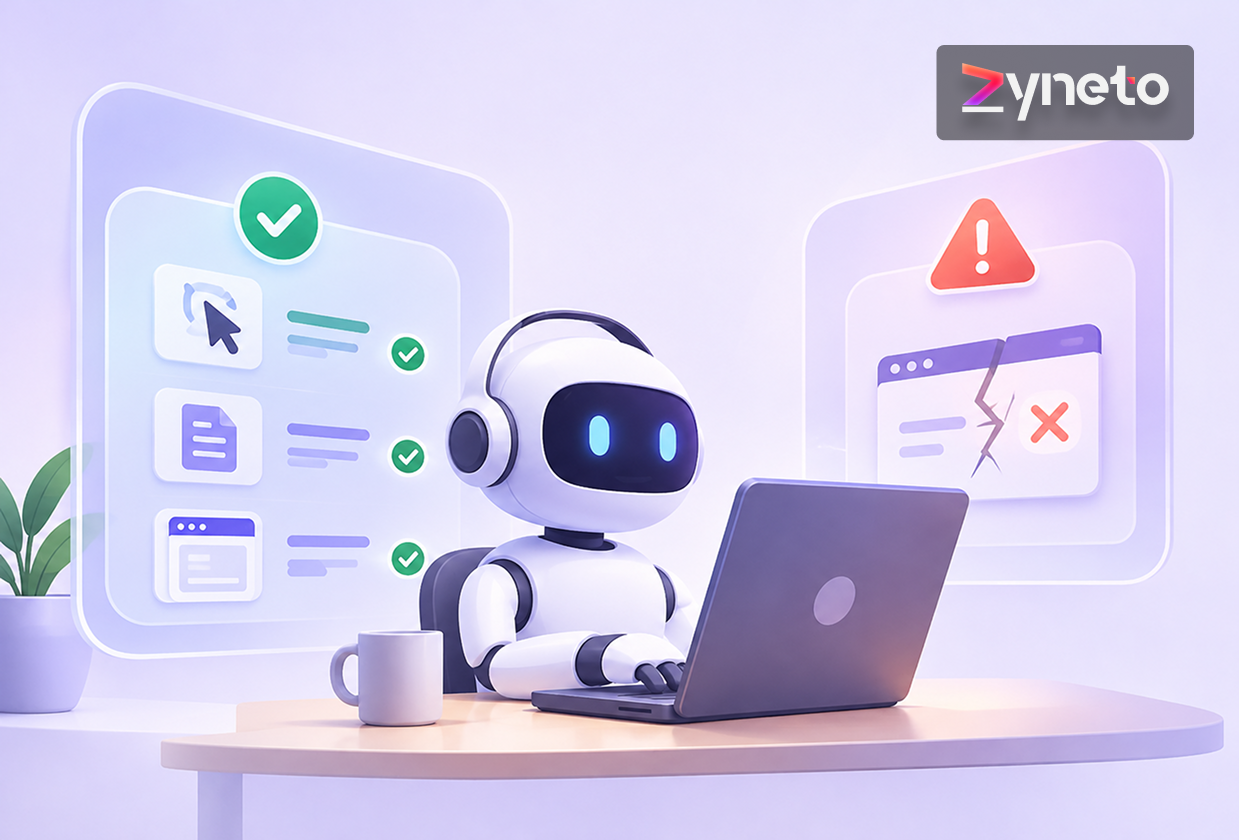
Computer-Use Agents: What They Automate, and Where They Break
The benchmark went from 12% to about 60% in two years. Humans score 72%. That gap is the entire question of what you can automate today.
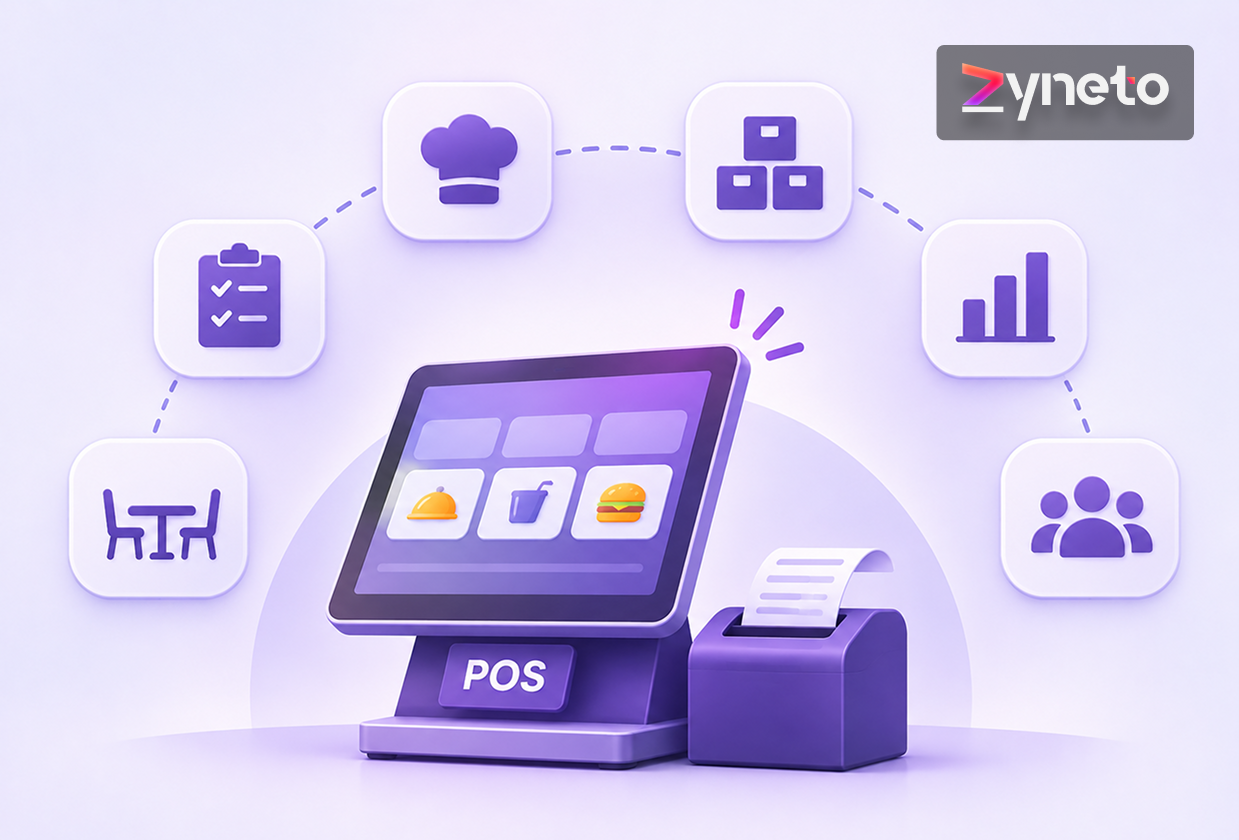
Restaurant Management Software Cost: Six Modules, and Why Your POS Decides the Number
A restaurant operations platform runs 700 hours, about $45,500 at a $65 blend. Six modules with ranges, and why the POS sets the price.
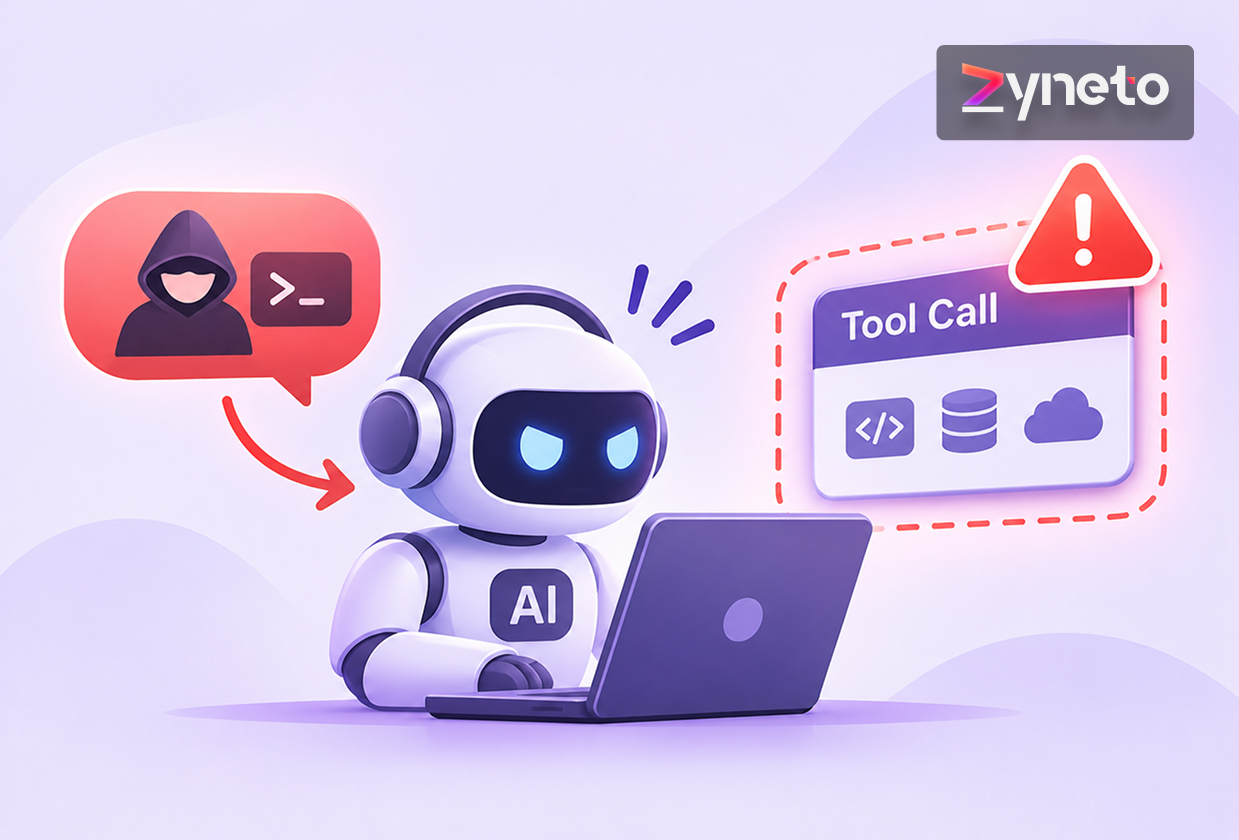
Prompt Injection in Agentic Systems: The Tool Call Is the Attack Surface
A chatbot that gets manipulated says something wrong. An agent that gets manipulated does something wrong, with your credentials.
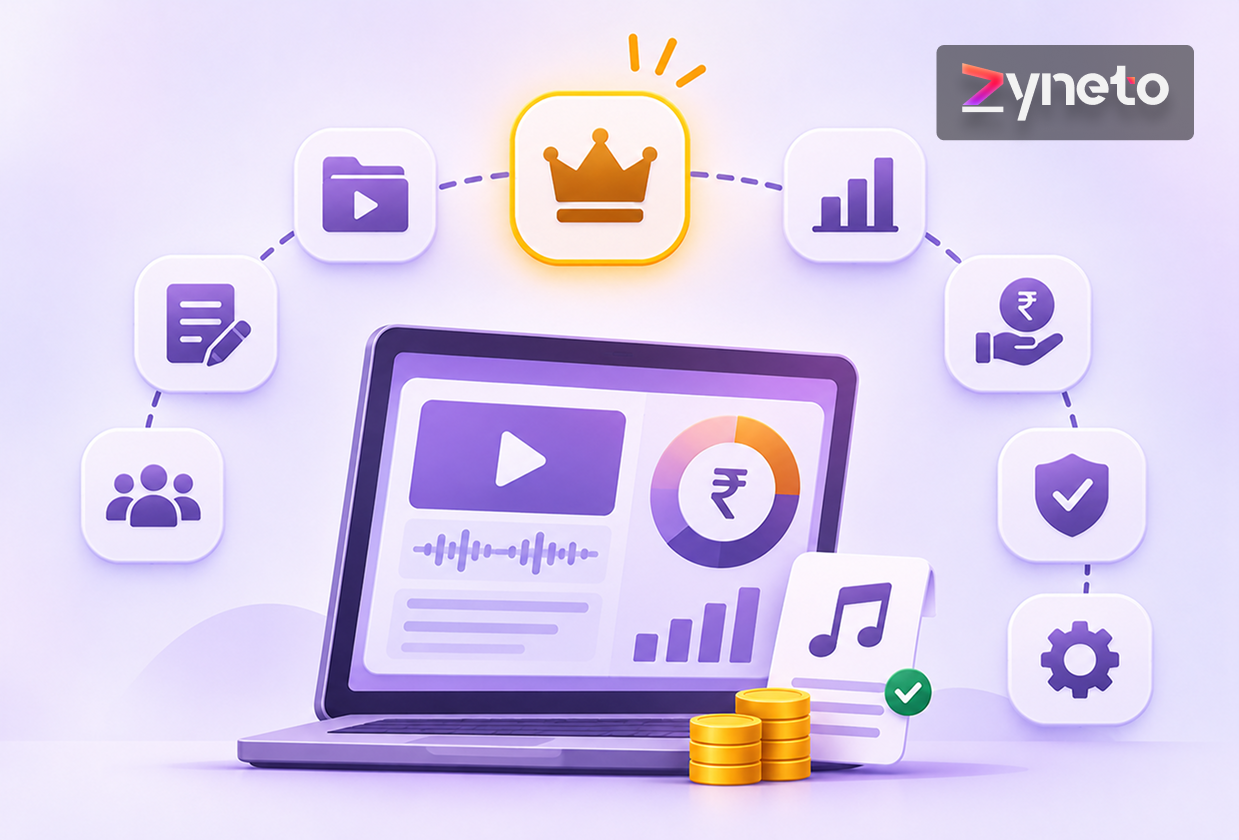
Royalty Management Software Cost: Seven Modules, and the One That Decides the Rest
A royalty platform phase one runs 1,480 hours, about $96,200 at a $65 blend. Seven modules with ranges, and where the arguments start.
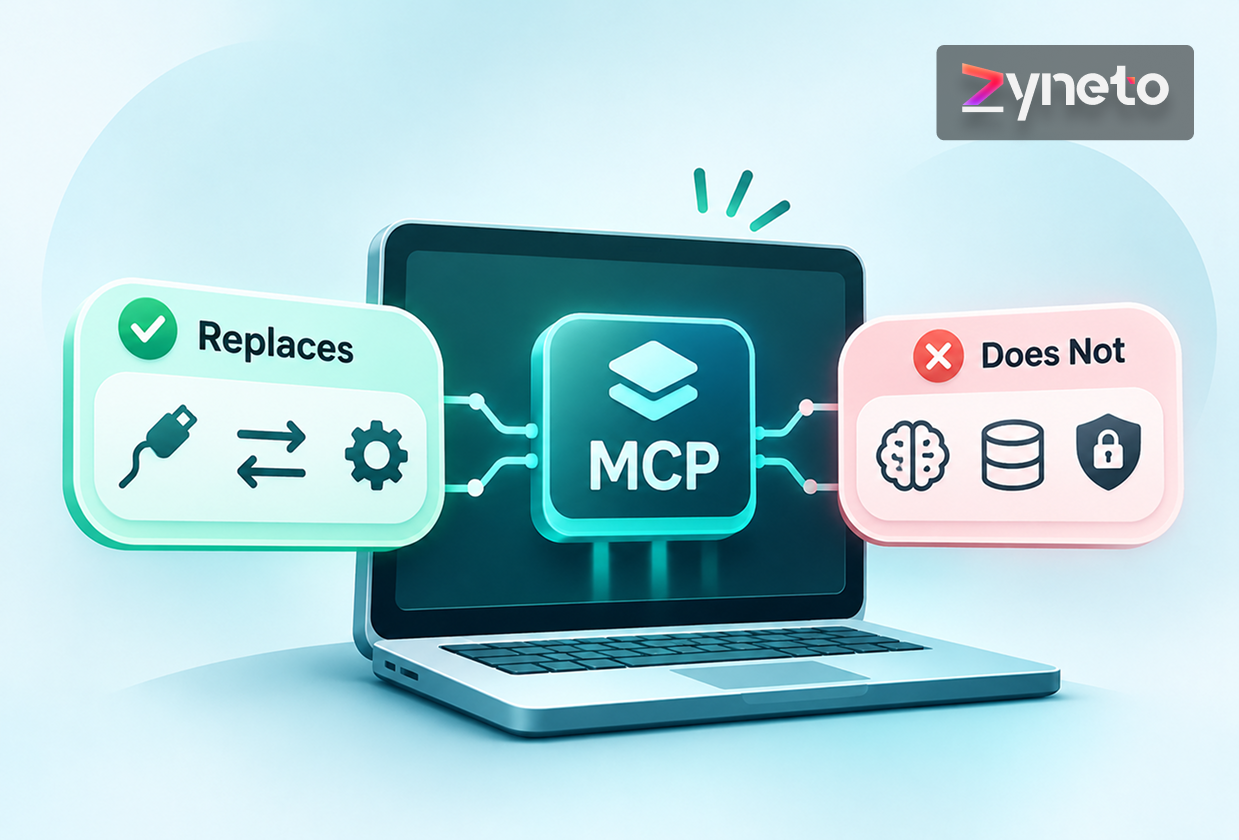
Model Context Protocol: What It Replaces, and What It Does Not
MCP turns an integration problem of N times M into N plus M. It does not solve auth, trust or what happens when a tool returns something hostile.
Flutter App Development Cost (2026)
Explore Flutter app development cost in 2026, including price ranges, key cost factors, and practical tips to plan your app budget with confidence.
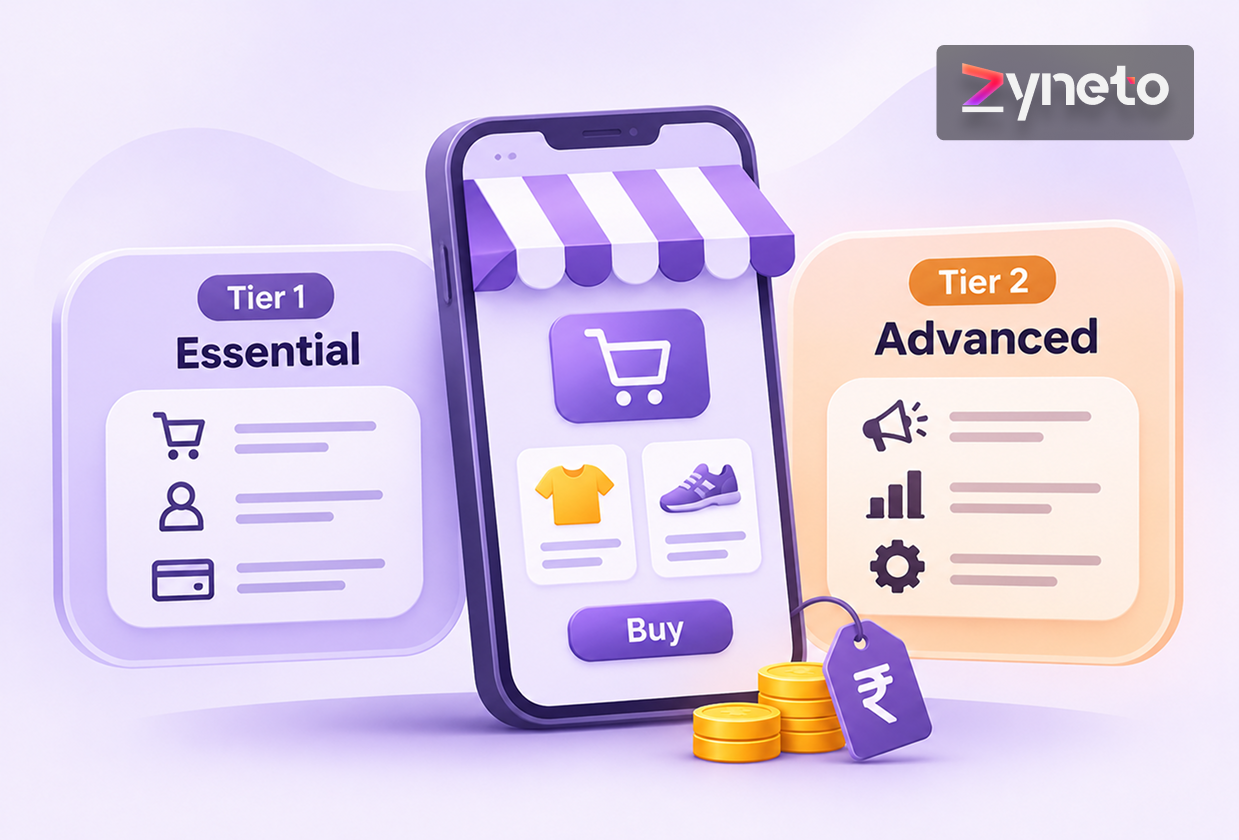
Ecommerce App Development Cost: Two Tiers, and Which One You Are Actually Buying
A D2C build runs 700 to 1,400 hours, $42,000 to $98,000. Omnichannel runs 1,800 to 3,500. Every module, and which tier you need.
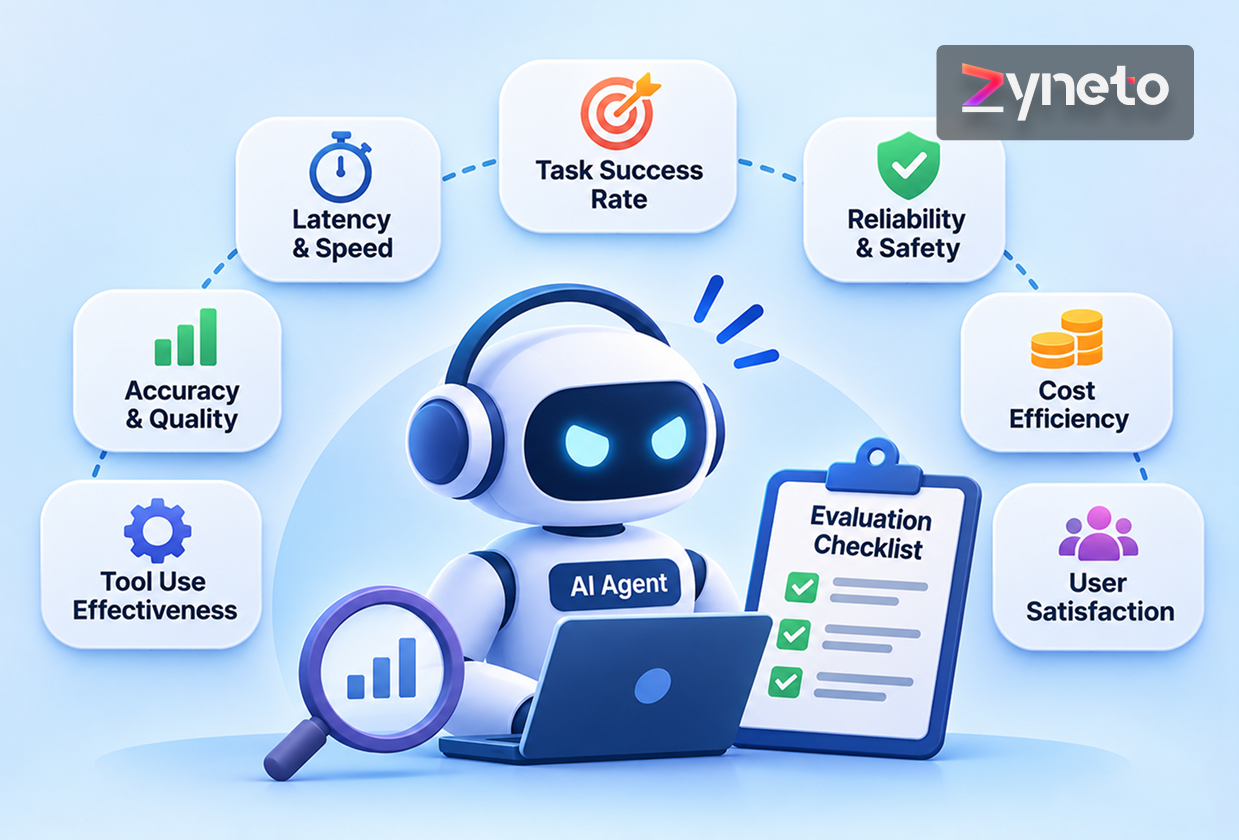
AI Agent Evaluation: What to Measure Before You Ship One
Testing a model asks whether the answer was good. Testing an agent asks whether it did the right things in the right order, and then stopped.
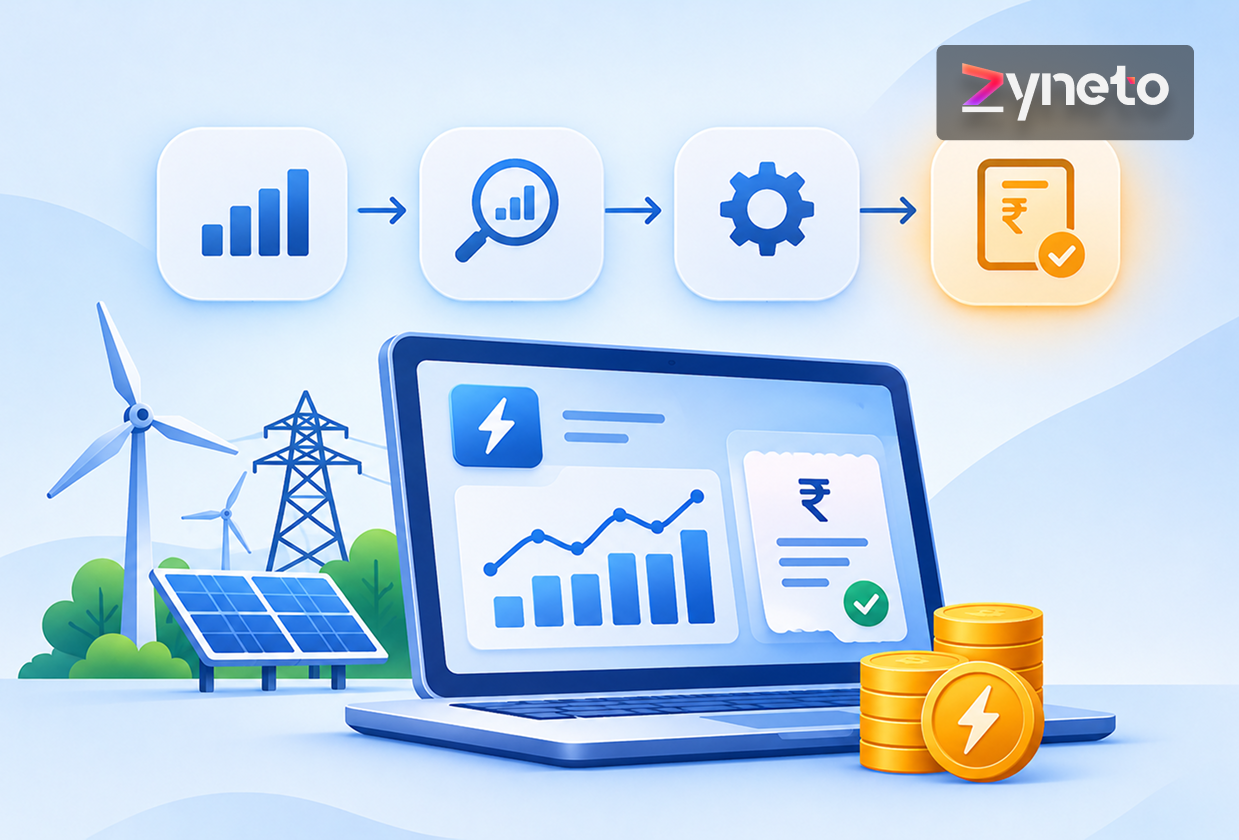
Energy Software Development Cost: From Interval to Invoice
A utility platform phase one runs 1,460 hours, about $94,900 at a $65 blend. Seven modules with ranges, and where the money is made or lost.
AI Document Processing Cost: What a Page Actually Costs to Read
Manual costs $2 to $10 a document. An API costs cents. Building your own costs six figures. Volume decides which of those is cheapest.
Automotive Software Development Cost: Six Modules, and the One That Is Already Written
A dealer platform phase one runs 750 hours, about $48,750 at a $65 blend. Six modules with their ranges, and where the number actually moves.
Voice AI Agent Development Cost: Latency Is the Whole Product
A voice agent has about 800 milliseconds to answer. That budget decides your architecture, your model choice and most of your bill.
Fitness App Development Cost: The Hours Behind the Number
A fitness app costs $50,400 to $126,000 for a 1,260-hour phase one. Every module, its hour range and what moves the number, shown.
Fintech App Development Cost: The Five Modules That Move Money
The control core runs 1,380 hours at the floor and 2,600 at the ceiling. The five modules that move money and prove it afterwards.
Travel App Development Cost: Eight Modules, and Where the Margin Leaks
A booking platform phase one runs 1,580 hours, about $102,700 at a $65 blend. The eight modules, and why changes and refunds leak margin.
Custom Dashboard Development: Why Most Go Unused, and What to Build Instead
Most custom dashboards are built, shipped and ignored. What actually gets used, and the three questions to settle before anything is designed.
Apparel PLM Software: What It Holds, and When to Build Rather Than Buy
PLM holds the intention, ERP holds the execution. What apparel PLM must carry, and why most businesses should buy it and build the gap.
Distributor Management Software: What It Has to Hold, and Why Spreadsheets Lose Money
Primary sales are visible and secondary sales are the business. What a DMS has to hold, and where distributors quietly lose margin.
Let's make the next big thing together!
Share your details and we will talk soon.