Mobile App Development Company
Most app briefs describe one app. The build is usually 3: the app your customers download, the app your staff run the operation on, and the admin and backend both of them depend on. Add 2 store accounts, 2 sets of review rules and a new operating system every year, and the schedule slips before any code is wrong. Zyneto scopes all of it in a fixed-fee discovery, then builds iOS and Android apps in native code or React Native, and you own the code that comes out of it.
Get Your Free Consultation & We'll Reach Out Promptly!
Mobile Apps Scoped as the System They Really Are


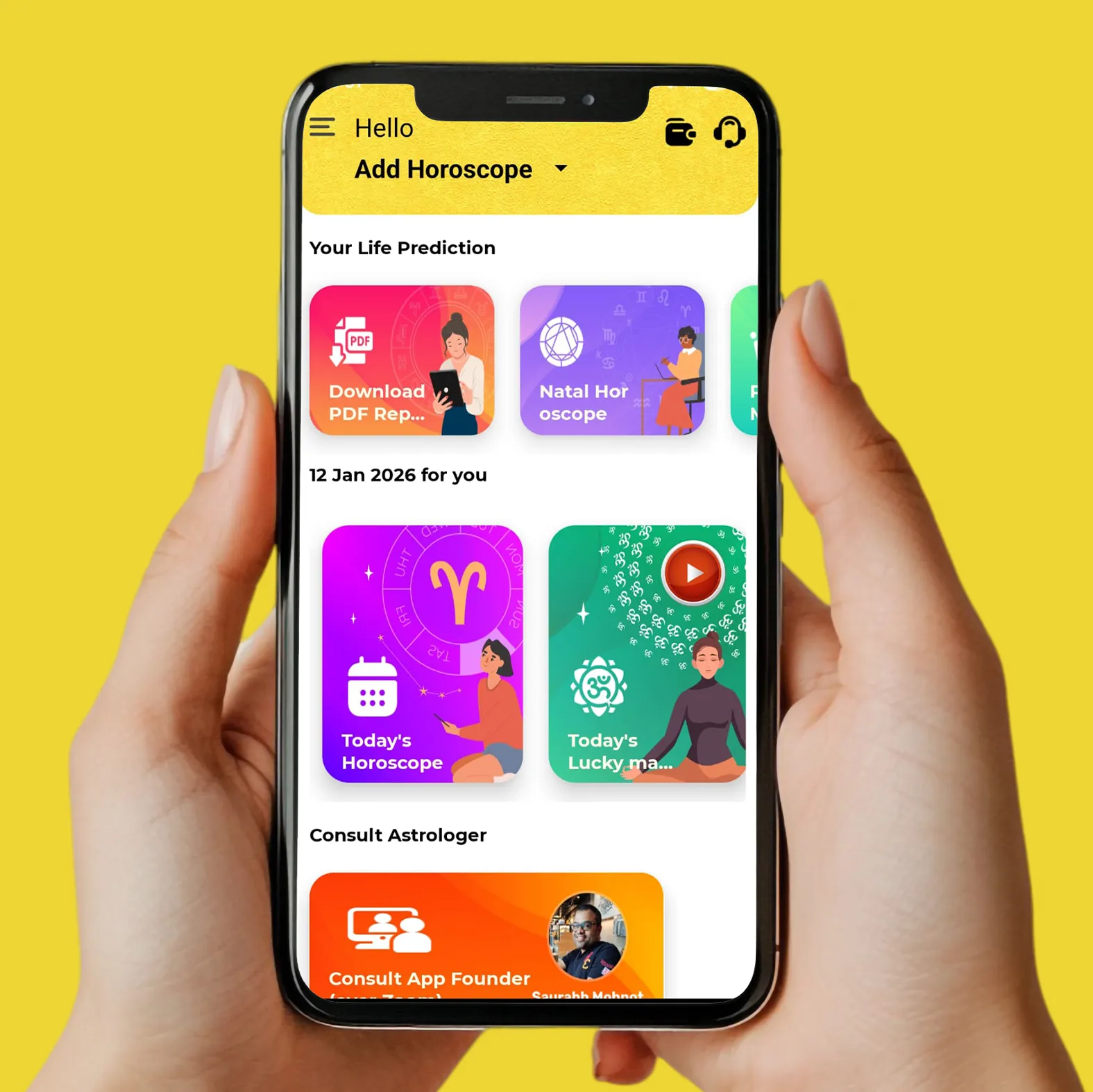
A first release has one job: let one kind of user finish one task from start to end, on a real phone, with nothing faked behind the screen. Around that job sit the parts nobody puts in a pitch deck: sign-in, payments, notifications, an admin screen to fix a wrong order, and in-app account deletion, which Apple requires under guideline 5.1.1(v) for any app that supports account creation and which Google Play requires as both an in-app path and a web link. The other early decision is what runs on the phone and what runs on your server. Tvam, our Vedic astrology app, runs on iOS, Android and the web, and all 3 pull their charts from a single calculation service on our server rather than a library compiled into each app: otherwise 2 native codebases would need to produce identical numbers, and every fix would wait on app store review. The cost was that the main screen needs a connection. That trade is worth making on purpose, before the build, rather than discovering it after launch.
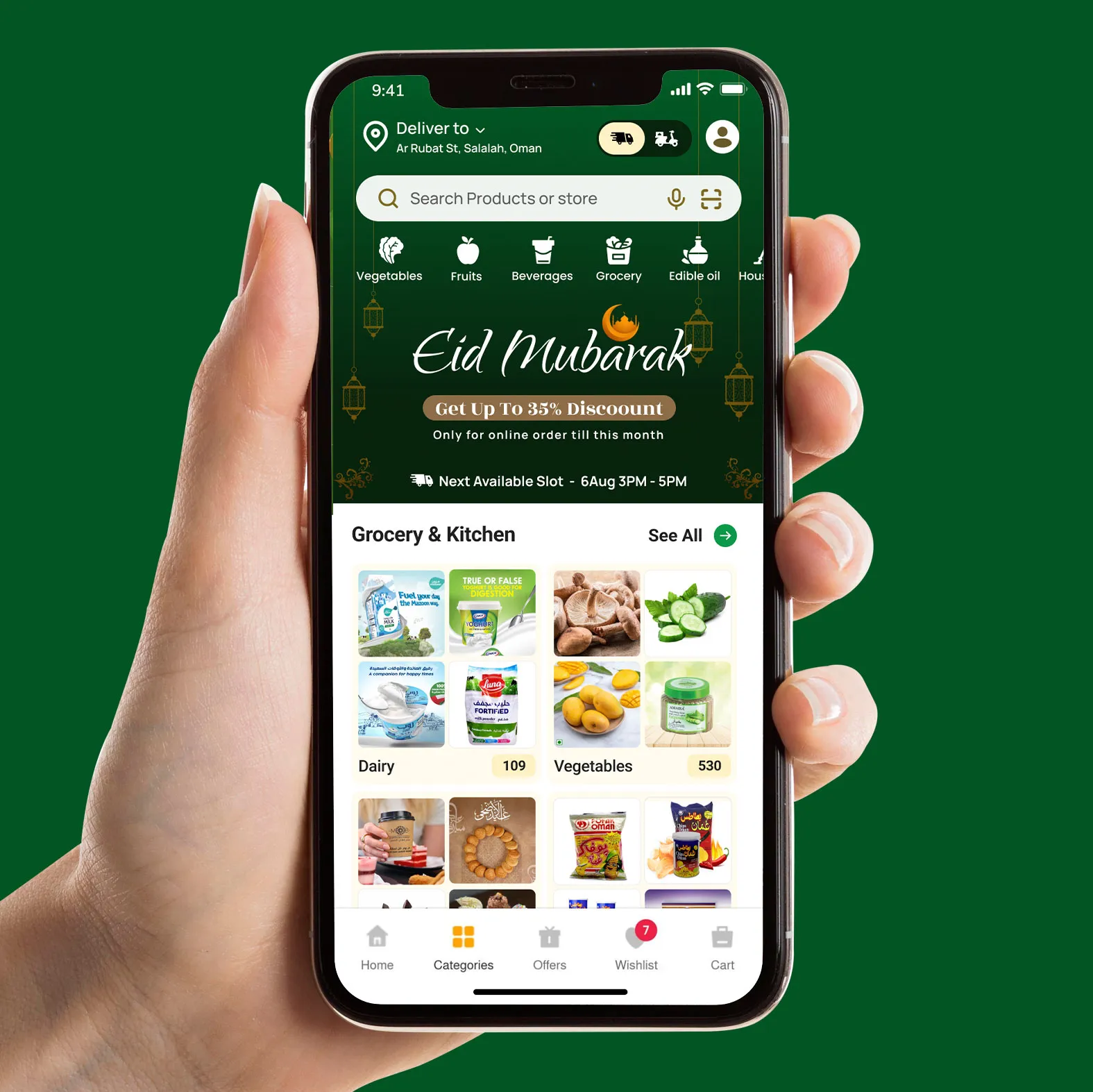
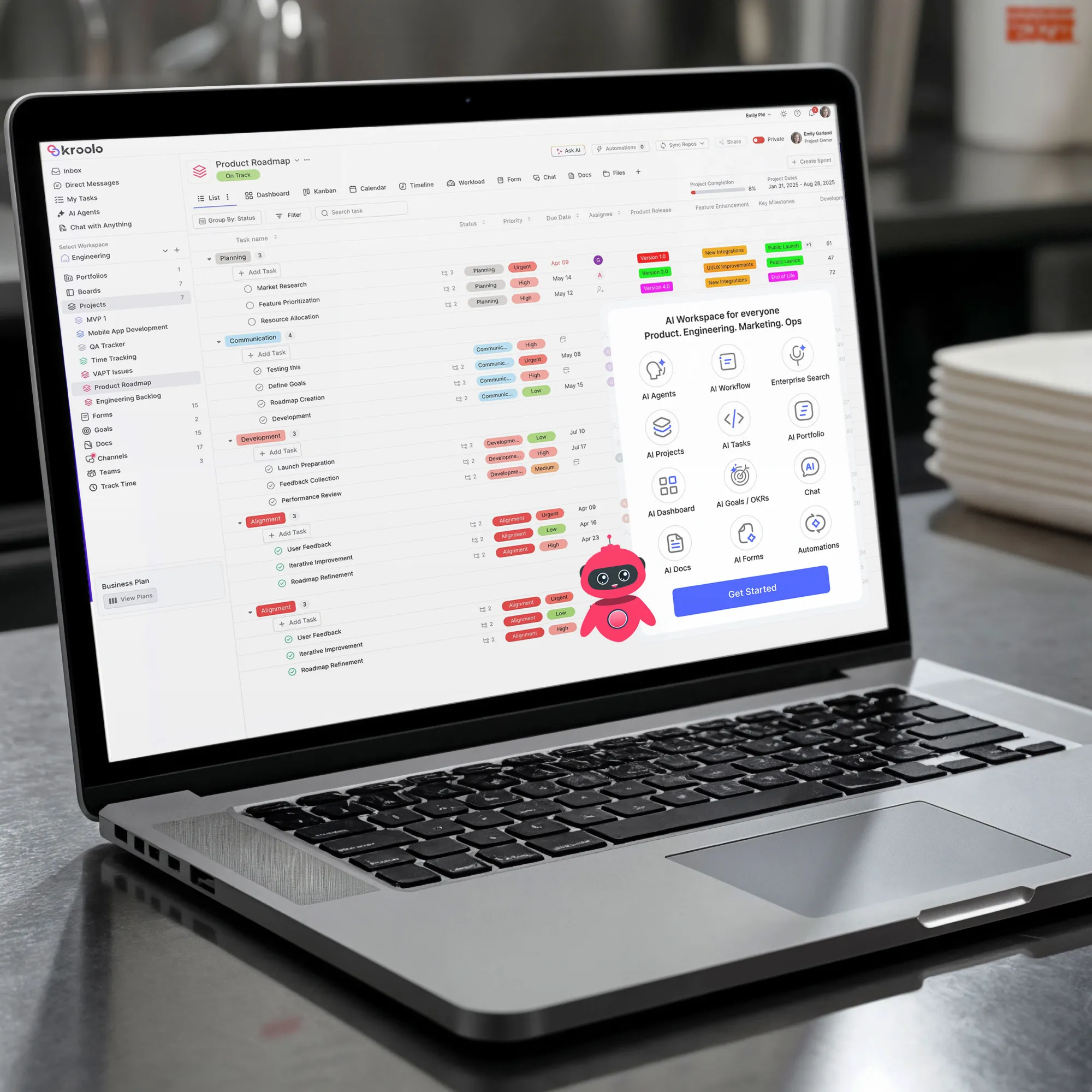
Platform choice starts with where your users are, and the answer changes by country. Look at StatCounter's mobile data for September 2026, a measure of page views and not of installed devices: iOS leads in the United States at 53.59% and in Saudi Arabia at 51.6%, while Android holds the UAE at 73.3% and India at 93.89%. The build approach comes next. In Oman, the grocery delivery business Al Amri Express has a customer app for iOS and Android plus a second app its staff run operations on, and we wrote both in React Native against a single backend. Tvam took the native route instead: Swift for the iPhone app, Kotlin and Java for the Android one. Kroolo, the AI work operating system where we built the AI layer, ships those features on web, Android and iOS. The choice is made per project, against your users, your budget and the team that will maintain the app after us.
Mobile App Development Services We Offer
9 areas of work that take an app from a written brief to a live listing in both stores, and keep it there through each year's operating system release. Your app will likely draw on a few of these areas, rarely every one.
Discovery and First-Release Scoping
iOS App Development

Android App Development
React Native App Development

Flutter App Development
Staff and Operations Apps
Backend, APIs and Admin Panels
Testing, QA and Store Release
Maintenance and Yearly OS Updates
Mobile App Development case studies
Live products for named clients built with this work: the problem, what shipped, and the decisions that mattered.
Find Out How Many Apps You Are Really Building
A scoping call where we map your customers, your staff workflow and your backend, and say which parts can wait for phase two.
What a Well-Scoped Mobile App Gives Your Business
The value of an app comes from the work it takes off your team and the purchases it makes easy. Below are the results an app still delivers months after it ships, not the ones that live only in a sales deck.
A First Release That Does One Job Completely
Customers and Staff on the Same Live Data
Corrections That Skip Store Review
Platform Spend Matched to Your Market
A Date You Can Plan a Launch Around
An Asset You Can Take Elsewhere

Trusted by
Global Industry Leaders


















Tech Stack for Mobile App Development
The stack below is what we run in production, not a list of everything we have heard of. We choose per project from what is already proven here, and we say which parts are a default and which are a real decision. You get the trade in writing before anyone starts building.





























Hire Mobile App Developers
A mobile build needs more than app developers. It needs native iOS and Android engineers or React Native engineers, a backend developer for the APIs and admin panel, QA engineers testing across devices and OS versions, and someone who owns the store accounts and the release calendar. Zyneto can fill all of those seats, either as a whole app team or by adding single engineers to your own developers. On mobile, each hour costs $40 to $100 according to the seat and the seniority of whoever fills it, and a blended app team lands at $60 to $70. You leave the first call with an hour band for your app, and the fixed price follows once discovery closes.
We ship in an order that keeps something stable in production. Al Amri Express launched its customer app first and added the operations app after, so each one reached production with something stable already running beside it. Starting again, we would design the grocery substitution flow before checkout rather than after, and lessons like that are what we bring to your scoping. If you are building a product from scratch, our MVP development page covers how the first release is cut.





From Discovery to Both App Stores
The cut list for the first release is written on day one, so launch scope is settled before the build starts.
Why Work With Zyneto on Mobile Apps
Getting an app running on a simulator is the easy part. The difference shows in the store accounts, the review queue and the first operating system release after launch.
Proof You Can Check in the Stores
Server or Phone, Decided Early
Native or React Native, Argued Per Project
QA Priced as Its Own Line
Store Accounts in Your Name
Discovery You Keep
Related services
The other pages in Mobile Development, and the hub that covers the group.
Frequently Asked Questions
What does a mobile app development company do?
A mobile app studio takes your iOS and Android apps from design through build and testing to a live store listing, and most also build the backend and admin tools behind them. At Zyneto that runs from a fixed-fee discovery through the build, QA, the App Store and Google Play release, and the yearly updates each new iOS and Android version brings. Apps are built in native code (Swift on iOS, Kotlin on Android) or in React Native, depending on the project.
What stages does a mobile app project go through?
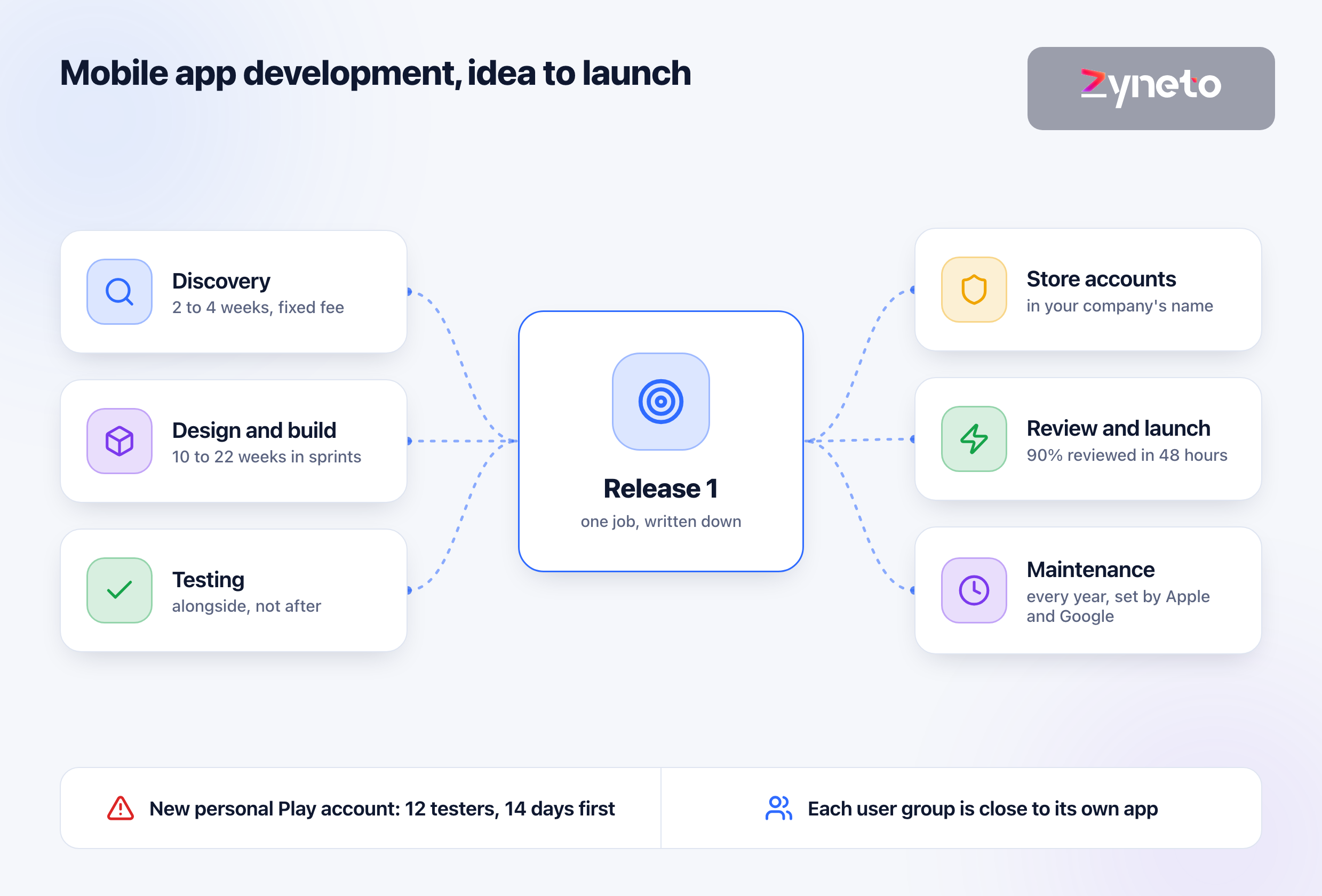
Zyneto runs mobile app projects in 5 stages. Stage one is discovery: a fixed fee covers its 2 to 4 weeks, delivering a register of every integration, the target architecture and a priced phase one. Design and build come second, and on their first day we write the cut list for release one. Third is QA, priced apart from the build at 20 to 25 percent of its hours. Store release covers TestFlight and Google Play testing, privacy declarations and review. Maintenance then follows each year's iOS and Android release.
How many weeks does a mobile app build take?
Most apps spend 2 to 4 weeks in discovery and then 10 to 16 weeks in build before an MVP is with real users. A bigger first phase runs longer. One gym and studio platform we scoped, with its member app, totals 1,260 hours that a squad works through in 14 to 22 weeks, and on that job the launch date hangs on access hardware and on certifying the payment gateway, not on the code. Per Apple, it usually clears 90% of App Store submissions inside 48 hours.
How much does mobile app development cost?
Rates on a Zyneto app team sit at $40 to $100 an hour per person, by role and level of seniority, which blends to $60 to $70 across a typical mix. A fixed price only comes after discovery, though the first call already gives you an hour band for your app. The main cost drivers are how many apps you need (customer, staff, admin), how many systems they integrate with and how many payment providers they use. Our published module estimates give a sense of scale: recurring billing runs 180 to 320 hours, each payment provider 80 to 200, and a self-service member app 160 to 280. Testing is added on top as a separate line, at 20 to 25 percent of those build hours. Budget US$99 each year for the Apple developer account and a one-time US$25 for Google Play.
How many apps does my business actually need?
Count the audiences, not the screens. A business that sells and fulfills orders through an app typically needs 3 pieces: the app customers download, an app for the staff who run the operation, and an admin panel with the backend both depend on. Take Al Amri Express, a grocery delivery business in Oman: Zyneto wrote it a customer app and a separate staff app with admin, packer and delivery roles, both in React Native and both on one backend. A separate staff app makes sense when the audiences share almost no screens. A smaller shop can reasonably put its staff screens behind a role check inside the one app.
Should I build my app for iOS or Android first?
Build first for the platform your customers use, which varies sharply by country. StatCounter's mobile numbers for September 2026 track page views, not installed devices. They put iOS ahead in the United States with 53.59% and in Saudi Arabia with 51.6%, and Android ahead in the United Kingdom with 53.11%, the UAE with 73.3% and India with 93.89%, with 69.17% worldwide. Where the split is close to even, a cross-platform build such as React Native lets you launch in both stores from one codebase per app.
Should I choose native or cross-platform app development?
Go native, with Swift for iOS and Kotlin for Android, when your app leans hard on device features or behavior specific to each platform and the budget covers 2 codebases. Choose cross-platform, such as React Native, when the same screens serve both stores and one team should own them. We have delivered apps each way: Al Amri Express runs on React Native, while Tvam pairs a Swift iPhone app with an Android app in Kotlin and Java. Whichever you pick, keep business rules on the server so 2 apps never have to agree on the same calculation.
Should I choose React Native or Flutter for my app?
Both build iOS and Android apps from one codebase, so the differences that matter to a buyer are the upgrade rhythm and who can maintain the app later. We counted releases on 6 October 2026: from 0.76.0 to 0.87.1, React Native averaged one minor version per 59.7 days, while Flutter, from 3.22 to 3.47, averaged one stable per 91.2 days. None of Zyneto's published app case studies use Flutter; they are React Native or native. Pick the framework your future team can hire for and keep upgraded.
What should run on the phone and what should run on the server?
Put anything that must give the same answer on every platform, or that you may need to correct, on the server. Keep the phone for display, input, offline caching and device features. Tvam, the Vedic astrology app Zyneto built for iOS, Android and the web, does its chart calculation in a single server-side service that each of the 3 surfaces reads. We ruled out a library on the phone: the iOS and Android code would each have to produce the same numbers, and any fix would move only as fast as store review. The accepted cost is that Tvam's main screen needs a connection.
What must the first release of a mobile app include?
One user completing one task end to end, plus the parts the app stores require. Any app with sign-up must, under Apple guideline 5.1.1(v), let users delete their account from within the app, and Google Play asks for that in-app deletion along with a web link. Apple guideline 4.2 says your app has to offer more than a website in an app wrapper. Nearly every app on Google Play needs a data safety form, and Apple asks for a privacy manifest giving approved reasons for each listed API your app or its SDKs call. Everything else goes on the cut list, written on day one.
What developer accounts do I need to publish a mobile app?
Apple's developer program is US$99 a year. Enrolling as an organization takes a legal entity, not a trade name, plus a D-U-N-S number and a public website that lives on your own domain. Google Play charges a one-time US$25, and its organization accounts ask for a D-U-N-S number plus a website. Personal Play accounts created after 13 November 2023 carry an extra gate: production access waits until 12 or more opted-in testers have run a closed test for 14 consecutive days. Open the accounts in your company's name early, because they gate the first release.
How long does app store review take?
Apple publishes its own review times: half of App Store submissions within a day, 9 in 10 within 2 days, with an expedited lane for urgent fixes and dated events. For a new personal account on Google Play, the bigger delay is the mandatory closed test, which needs a minimum of 12 opted-in testers over 14 straight days before the app can go to production. Apple also reviews any build you send to external testers on TestFlight.
Who owns the app code and the store listings?
The client does. Each Zyneto client owns the app's code, its store listings and the accounts it is hosted on. Al Amri Express keeps both store listings and the hosting account in its own name, and Tvam does the same with its listings, domain and hosting, which makes a change of supplier a commercial choice and not a technical project. The output of Zyneto's discovery is also the client's, whether or not they build with Zyneto.
How much testing does a mobile app need?
Zyneto prices quality assurance separately from the build, and for a mobile app that line equals 20 to 25 percent of the hours spent building. Testing covers devices and OS versions, the paths store reviewers check, and any logic that must stay correct over time. Tvam's chart service is a good case: a regression set of known-correct birth data runs against it. Ahead of launch, TestFlight lets you invite as many as 100 internal and 10,000 external testers, each build expires after 90 days, and Google Play offers closed tests.
What maintenance does a mobile app need after launch?
At minimum, a yearly update for each new operating system and store rule. A major iOS version lands every September, and for iOS 27 that was 14 September 2026. Since 28 April 2026, Apple has taken uploads only when the iOS 26 SDK and Xcode 26 produced them. On Android, version 17 came out on 16 June 2026, and since 31 August 2026 Google Play takes new apps and updates only if they target Android 16 (API 36). A cross-platform app adds framework upgrades to that list: by our 6 October 2026 count, React Native has put out a minor version every 59.7 days on average.
What share of in-app revenue do Apple and Google keep?
Apple's standard cut is 30%. Members of the Small Business Program pay 15% if their proceeds in the prior year stayed below US$1M, and an auto-renewing subscription also falls to 15% after its first year. Google Play takes a 10% service fee on the first US$1M each year in the United States, the EEA, the UK (from 30 June 2026), Australia and Japan, plus a 5% billing fee when your app uses Play Billing. Elsewhere, India, the UAE and Saudi Arabia included, Google takes 15% below US$1M, 30% above that mark, and 15% on any subscription.
Can Zyneto build the backend and admin panel as well as the app?
Yes. For Al Amri Express, Zyneto built the backend on Laravel, Elasticsearch, MySQL and AWS, with bilingual catalog search that handles Arabic normalization and live order tracking over websockets, plus a staff app split across admin, packer and delivery roles. For Tvam, the stack is PHP and MySQL, with chart calculation as one server-side service read by iOS, Android and the web. Admin and staff tools are scoped in discovery alongside the customer app.
What should we bring to kick off our mobile app build?
Bring a description of the user and the one task release one must let them complete, the systems the app connects to (payments, inventory, a CRM and so on), any designs or existing apps, and the name of one person with authority over scope. A D-U-N-S number for your company helps, because Apple and Google Play organization accounts both require one. From there, our fixed-fee discovery spends 2 to 4 weeks turning it into a target architecture, a register of integrations and a costed phase one.
Why choose Zyneto for mobile app development?
Zyneto has shipped mobile apps you can check in the stores: Al Amri Express in React Native, Tvam in native Swift and Kotlin, and the AI features in Kroolo on web, Android and iOS. Every one of those case studies records what we chose and what we gave up. Our hourly rates are public at $40 to $100, QA is quoted apart at 20 to 25 percent of build effort, and clients keep their code and their own store listings.
Our Success Stories
Real feedback from the people we've proudly partnered with.

Brooklyn Foster
Sales Director |Cintas
United States

Zyneto Global Technologies provided excellent project management and technical expertise throughout the engagement. The team was responsive, collaborative, and adaptive, ensuring the project met our expectations and set a strong foundation for future growth.

Krystian Chlebek
Founder & CEO |Moneteo

We engaged Zyneto to design and develop a custom web platform for Moneteo, aimed at improving project management, data tracking, and collaboration across internal teams and external partners. Their work included full-stack web development, custom modules for workflow automation, API integration, and comprehensive testing.

Kevin Scott
CEO |E-Commerce Platform

Overall, their responsiveness and timely deliveries contributed positively to the project's success. The client achieved better data management and quality. The service provider delivered the project on time and ensured prompt responsiveness throughout the engagement. Their innovative approach was outstanding.