Frequently Asked Questions
What does a Python development company build?
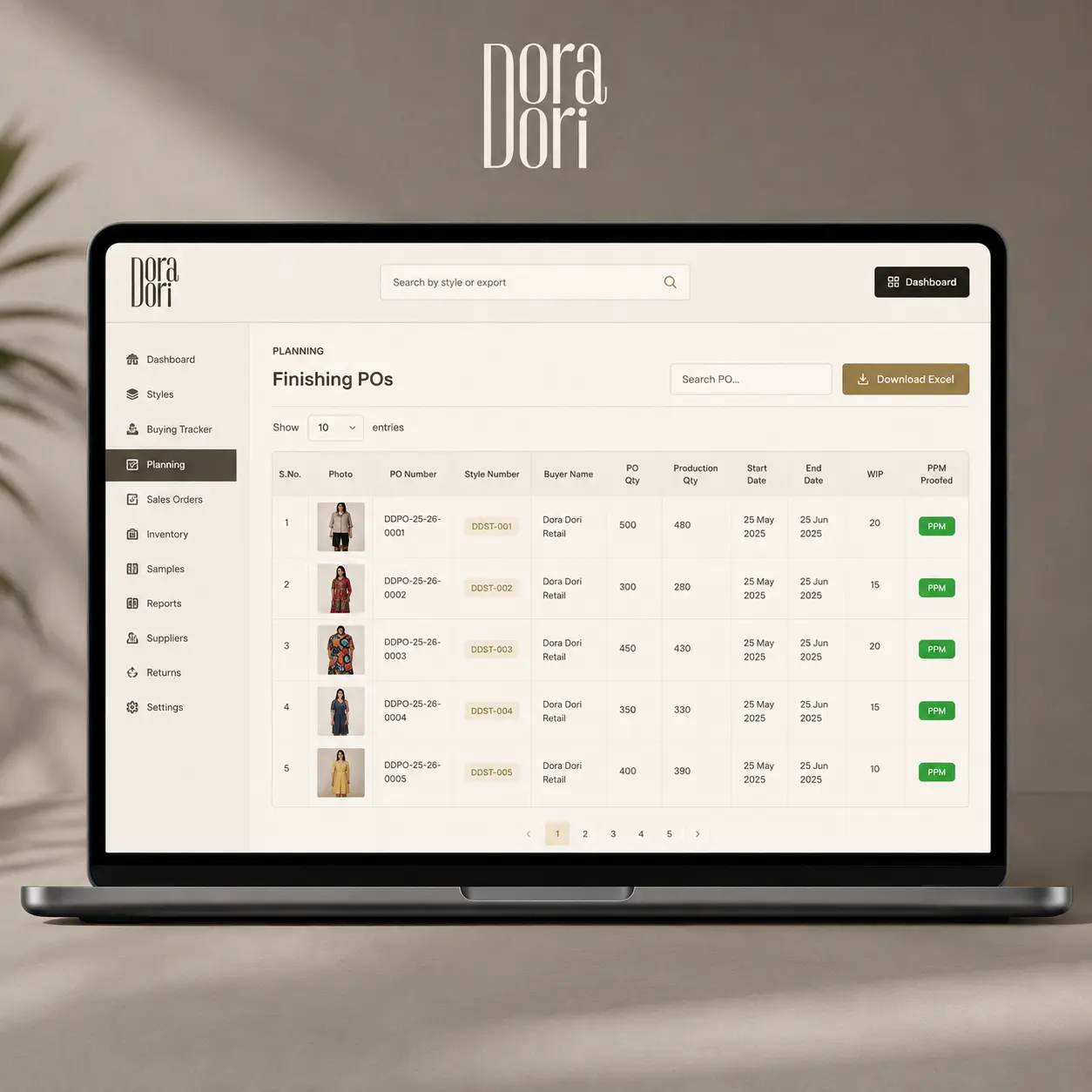
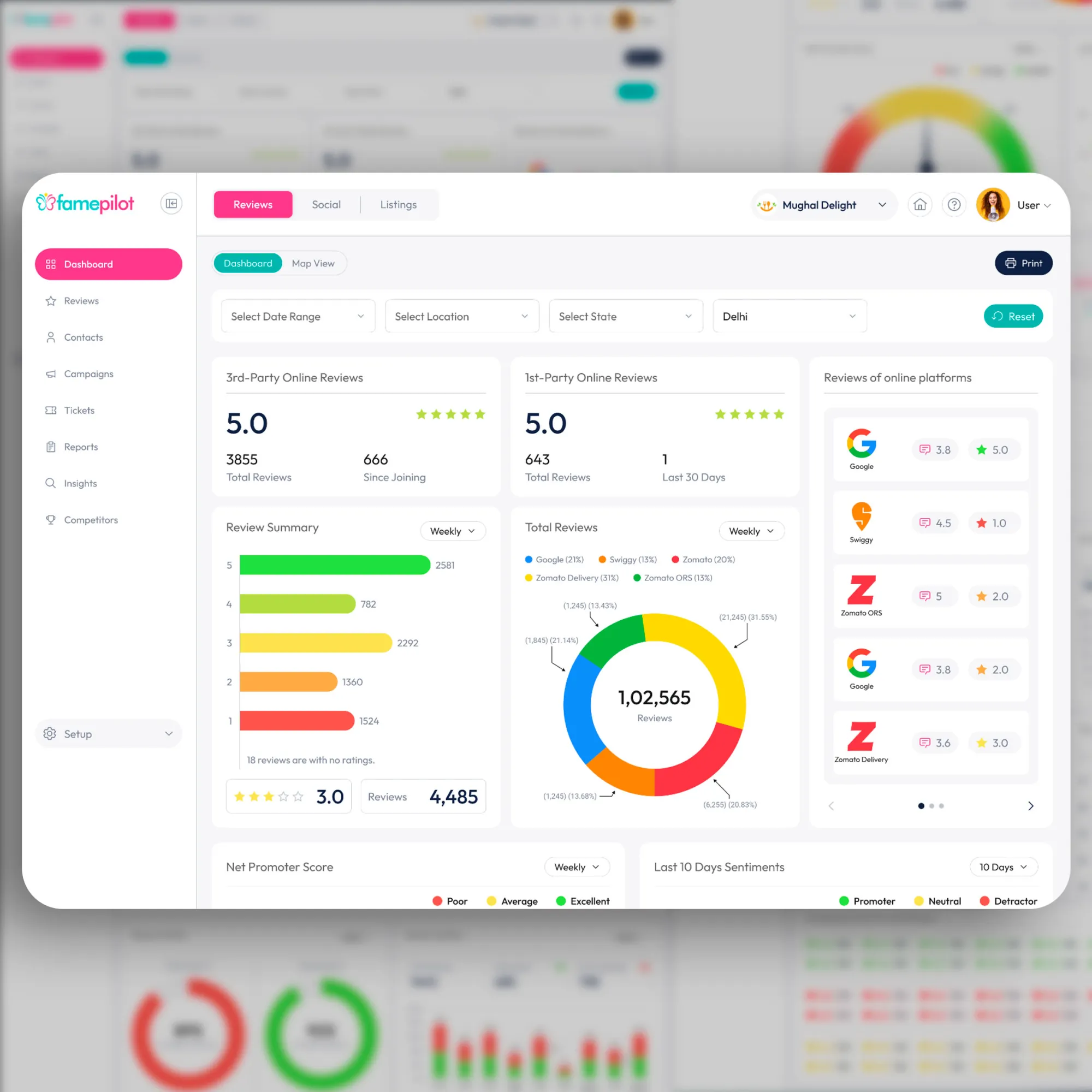
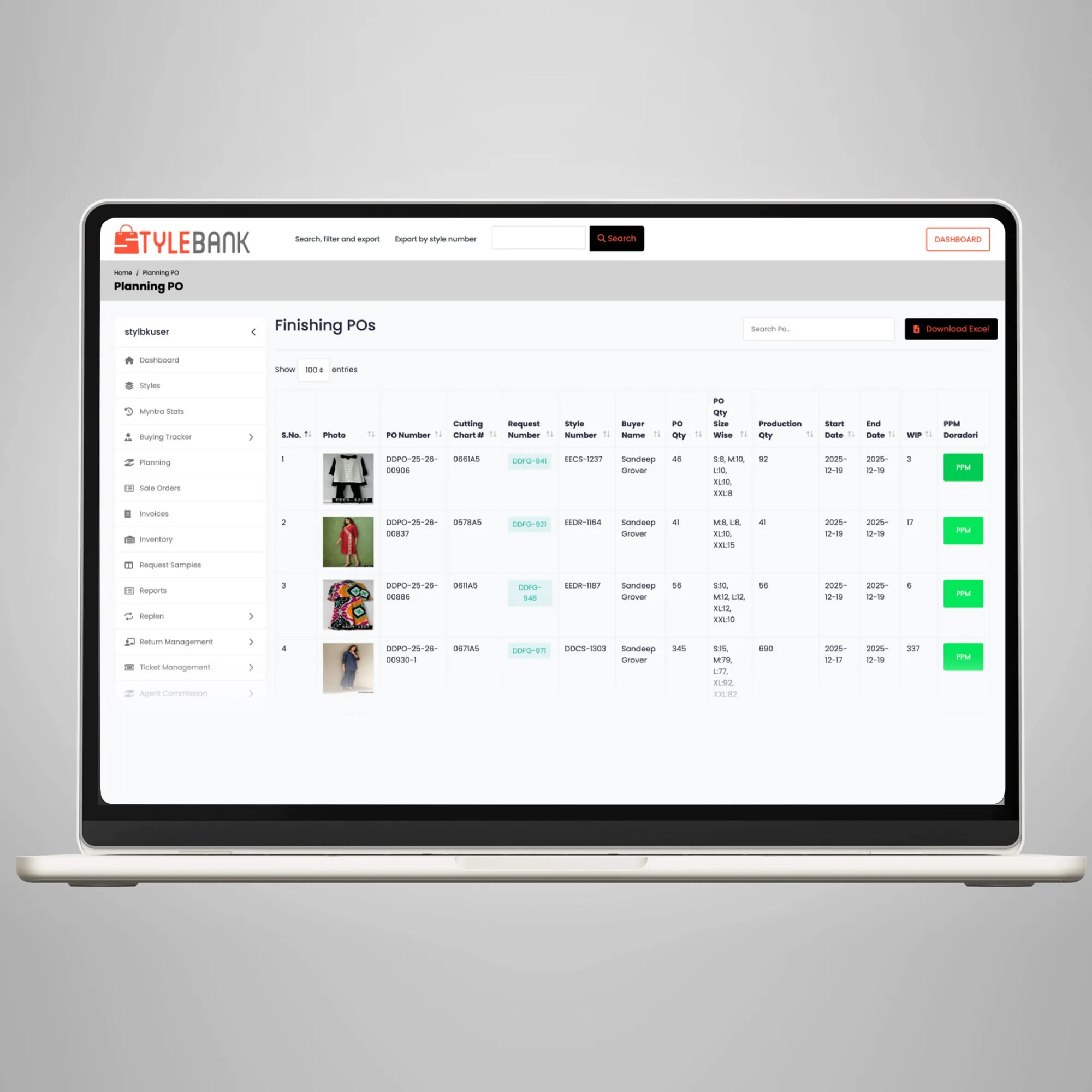
A Python development company builds web platforms, APIs, internal tools, data pipelines and AI features in Python. Zyneto's Python web development work includes Famepilot, a reputation management platform on Django that pulls reviews from more than 25 sites; Stylebank, a Django platform running 4 apparel businesses; and DoraDori and Cheersagar, a garment costing ERP and a garment accounting system on FastAPI and PostgreSQL. Python also carries the AI layer Zyneto built inside Kroolo, an AI work operating system.
Should I use Django, FastAPI or Flask for my Python project?
Choose by the job. Django suits admin-heavy platforms with many record types, roles and staff screens, because its ORM, migrations, authentication and admin interface come built in. FastAPI suits API services that other systems call, because it validates requests against typed models and generates OpenAPI documentation from them. Flask suits a small, narrow service, and turns into a framework you maintain yourself as the service grows. One system can use 2 of them, for example a Django platform for the back office and a FastAPI service for an API that other systems read.
Is Python a good choice for web development?
Python is a strong choice for web development when the system is data-heavy, integration-heavy or needs AI features, because the web app, the data jobs and the model calls can share one language. Speed problems in Python web development tend to come from database queries and slow work run inside requests rather than from the interpreter, and are fixed with query design and background jobs. The choice does not have to be all or nothing: Kroolo, an AI work operating system, runs Python next to Node.js.
When does a Python application need background jobs?
A Python application needs background jobs as soon as a task takes longer than a user should wait or has to run on a schedule: exports, report generation, syncs with other systems, emails and model calls. Celery with Redis as the broker is a standard Python setup for this. On Stylebank, a Django platform Zyneto built, Celery workers on Redis run the ETL into BigQuery and a per-style AI analysis. The Stylebank case study also records a mistake to avoid: django-crontab and Celery both schedule jobs there, and one scheduler would have been enough.
How do you integrate a Python system with Zoho, a CRM or other business software?
Each external system gets one service or module that owns its authentication, token refresh, rate limits and data mapping, so no other part of the code holds that credential. On Cheersagar, a garment accounting system on FastAPI and PostgreSQL, one service owns everything that talks to Zoho, covering invoices, sale orders, credit notes and customers, and rotating access is one change in one place. The other early decision is which system is the book of record for each figure. At Cheersagar, Zoho stays the book of record and the reporting model is a derived copy.
Can Python handle reporting and analytics over our operational data?
Yes, and the dependable pattern is to report from a reconciled copy rather than from the database your users write to. Stylebank, a Django platform, keeps operations on MySQL and runs analysis in Google BigQuery, fed by Celery jobs, because analytical scans were competing with the write path. Cheersagar, a FastAPI accounting system, lands Zoho and CRM data in one PostgreSQL reporting schema and joins it once, centrally. The trade-off in both cases is a second copy that is only as fresh as its last sync, so each report should say when its data was taken.
How do you add AI features to a Python application?
Zyneto builds AI features in Python with one firm rule: the model writes about numbers it did not compute. On Cheersagar, a garment accounting system, figures are calculated first and the model writes commentary over the finished result. On Famepilot, the platform classifies reviews by sentiment and drafts replies that a person sends, rather than publishing automatically. On Stylebank, a per-style AI read runs through OpenRouter inside the data pipeline and stays advisory. For Kroolo, Zyneto built the AI layer: prompt to project generation, agents and automations that write records back into the workspace.
How long does a Python development project take?
On a Python project, the first 2 to 4 weeks are a fixed-fee discovery whose output is an integration register, a target architecture and a phase one with costs attached. After that, most MVP builds put a working release in front of real users within 10 to 16 weeks, and what gets cut is agreed on day one. A larger first phase takes more time. Zyneto's published gym and studio platform example, which includes a member app, comes to 1,260 hours across 14 to 22 weeks for a squad, and there the schedule is set by access hardware and payment gateway certification rather than by the code.
How much does Python development cost?
A Python engineer bills somewhere in $40 to $100 an hour, decided by role and seniority, and blending a mixed team gives $60 to $70 an hour. The total for a Python project is driven by the number of outside systems it integrates with, the amount of back office and reporting, and whether AI features are in scope. Testing is costed as its own item, sized to 20 to 25 percent of the build hours. The first call ends with a band of hours; a fixed price follows discovery, a 2 to 4 week engagement with a set fee.
Why does Zyneto not give a fixed price before discovery?
On Python business systems the estimate depends on the integration inventory, and that inventory does not exist until someone has looked at each outside system: its authentication, its rate limits and how it fails. A price quoted before that is padded for the vendor's uncertainty. So discovery comes first, for a fixed fee over 2 to 4 weeks, and it hands you the integration register, a target architecture and a priced phase one that you keep even if another team writes the Python.
Which Python version should a new project use, and when does support end?
According to the Python developer guide, each Python version is supported for 5 years, with bugfix releases first and security fixes only after that. Python 3.14, released on 7 October 2025, is in its bugfix phase; Python 3.11, 3.12 and 3.13 receive security fixes only; and Python 3.10 reached end of life on 1 October 2026. A new project should start on the newest version its key libraries support, which leaves the longest runway before the next upgrade.
How do you handle Python version upgrades on an existing system?
Zyneto treats a Python upgrade as planned work with its own estimate, not an emergency at the end-of-life date. The work is a dependency audit against the target version, the full test suite run on the new interpreter, fixes for what breaks, and a staged rollout. Because the Python developer guide publishes each version's 5-year support window in advance, the upgrade can go into your roadmap years ahead. A system still on Python 3.10, which reached end of life on 1 October 2026, no longer gets security fixes and should be upgraded now.
How do you test Python applications?
Zyneto estimates never fold testing into the build: it gets a separate line, sized at 20 to 25 percent of build hours, and that keeps it from being dropped quietly when a launch date presses. Python code gets unit and integration tests, any API another system reads gets contract tests, and anything that calculates money gets a regression set with known answers. AI features get an evaluation set built while the feature is new; the Kroolo case study records that treating evaluation as something to add later was backwards.
Who owns the code and infrastructure of a Python project built by Zyneto?
You do. The repository and the hosting accounts belong to you, not to Zyneto. Where infrastructure is defined as code, that definition is yours too: on Famepilot, environments are described in Terraform, so what exists is written in code rather than remembered, and platform credentials belong to the brand. On Stylebank, marketplace, accounting and messaging credentials stay in the client's accounts. Support after launch is available, and it is a choice rather than a dependency.
What does maintenance of a Python application involve?
Maintenance of a Python application covers security releases for Python and its dependencies, framework upgrades, interpreter upgrades planned inside the 5-year support window the Python developer guide publishes, and keeping integrations working when outside systems change. That last part is running cost rather than defect: the Famepilot case study notes that every connector is a dependency on somebody else's roadmap. Scheduled jobs need watching too. On Stylebank, a report status page records every scheduled run and allows a re-trigger, so a failed job shows as a row rather than a missed email.
Can you take over an existing Python codebase?
Yes. A takeover of an existing Python codebase starts with an audit before any new feature: the Python and framework versions against their support dates, the dependency list, test coverage, where background jobs and credentials live, and which system owns which number. The output is a list of risks with an estimate for each, so you decide what to fix first. A codebase on Python 3.10, which reached end of life on 1 October 2026, puts the upgrade at the top of that list.
Can Python power a multi-tenant platform?
Yes. Stylebank, built by Zyneto, runs 4 apparel businesses on one Django codebase, and each tenant has its own MySQL database, S3 bucket and Redis database number, so records, media and queues never share a namespace. A database per tenant was chosen over a tenant column because a shared table puts every future query one missed filter away from exposing another company's data. The case study names the cost: every migration runs 4 times, connection pools multiply, and cross-tenant questions need a warehouse.
Can Python run alongside Node.js or another stack?
Yes, when the jobs differ. Kroolo, an AI work operating system whose stack includes React, Next.js, Node.js and Python, runs Python next to Node so the model side can move at its own pace without forcing an API release. The Kroolo case study names the trade-off: 2 runtimes, 2 dependency chains and a boundary crossed on a hot path. Zyneto recommends a second runtime only when the job justifies that cost.
Why choose Zyneto for Python web development?
Zyneto runs both Django and FastAPI in production, Django on Famepilot and Stylebank and FastAPI on DoraDori and Cheersagar, so the framework recommendation comes from the job rather than habit. You can see the $40 to $100 hourly rates before you call, the testing line is fixed as a share of build hours (20 to 25 percent), while the code and hosting accounts end up yours. Each Zyneto case study also states what the team would do differently, which is worth reading before you hire any development team.