Create a Dating App: Benefits, Process & Cost


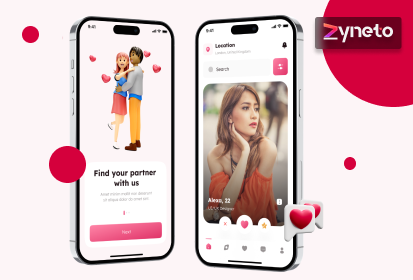
Dating apps have completely changed the way people meet, connect, and build relationships today.
From casual chats to serious commitments, everything now starts with a swipe.
And the best part? This industry is still growing fast, creating huge opportunities for new ideas.
So if you’ve been thinking about building your own app, you’re definitely not late to the game.
In fact, now is one of the best times to create a dating app that stands out with the right concept and features.
But let’s be honest, getting started can feel overwhelming.
You might be wondering where to begin, what features to include, how much it will cost, or even how these apps actually work behind the scenes.
That’s exactly what this guide is here to solve.
In this blog, you’ll learn how to create a dating app from scratch, step by step.
We’ll walk you through everything from choosing the right type of app to features, the development process, cost, and monetization strategies.
So whether you’re a startup founder, entrepreneur, or just someone with a great idea, this guide will help you turn that idea into a real, working app.
A dating app is a mobile or web platform that helps people connect, interact, and build relationships online.
Instead of meeting someone randomly, you get matched with people based on your preferences, interests, and location.
Simple, fast, and super convenient, that’s why millions of users rely on dating apps every day.
Most dating apps work on a few basic steps.
You create a profile, add photos, set your preferences, and start exploring potential matches.
Some apps use swipe-based matching, while others focus on detailed compatibility or niche communities.
No matter the approach, the goal is the same: helping you find the right connection.
Now let’s talk about the market, because this is where things get really exciting.
The online dating industry has seen massive growth over the past few years.
More people are comfortable meeting online, and technology has made the experience smoother and more personalized.
Today, dating apps are not just about dating; they’re about social discovery, networking, and even community building.
And the numbers clearly show the opportunity.
The global dating app market is expected to grow steadily, with billions in revenue and millions of active users worldwide.
This means one thing for you: huge potential.
If you come up with a unique idea, target the right audience, and build the right features, your app can easily find its place in this competitive space.
So whether you want to build a niche dating app or a mainstream platform, the market is wide open for innovation.
Let’s get to know the different types and find out which one will be suitable for you.
Before you build a dating app, it’s important to understand that not all dating platforms work the same way.
Each type serves a different audience and purpose, which means your idea should match what users are actually looking for.
Choosing the right type can make your app stand out and attract the right users from day one.
Let’s explore the most popular types you can go for:
1. Swipe-Based Dating Apps: These apps are simple and addictive, where users swipe right to like and left to pass. Example: Tinder
2. Niche Dating Apps: Focused on a specific audience like religion, profession, or interests, making matches more meaningful. Example: JSwipe (for the Jewish community)
3. AI-Based Dating App: These apps use smart algorithms to suggest highly compatible matches based on behavior and preferences. Example: eHarmony
4. Video Dating Apps: Instead of just text, users connect through video profiles and live interactions. Example: Snack
5. Location-Based Dating Apps: Matches are suggested based on your real-time location, helping you meet nearby people. Example: Happn
6. Serious Relationship Apps: Designed for users looking for long-term relationships rather than casual dating. Example: Match.com
7. LGBTQ+ Dating Apps: These apps are built specifically for LGBTQ+ communities, offering a safe and inclusive space. Example: Grindr
8. Social Discovery Apps: More than dating, these apps help users make friends, network, and build communities. Example: Bumble (BFF mode)
So, these are different types of dating apps you should know about. Now, let’s get to know about the must-have app features in your dating app.
If you want to build a dating app that users actually enjoy using, features are everything.
The right set of features not only improves user experience but also decides whether people stay on your app or leave after one use.
So instead of adding everything, you need to focus on the features that truly matter.
Here are the essential dating app features you should include:
Let users sign up easily using email, phone number, or social media accounts. A detailed profile with photos, bio, and interests helps improve match quality.
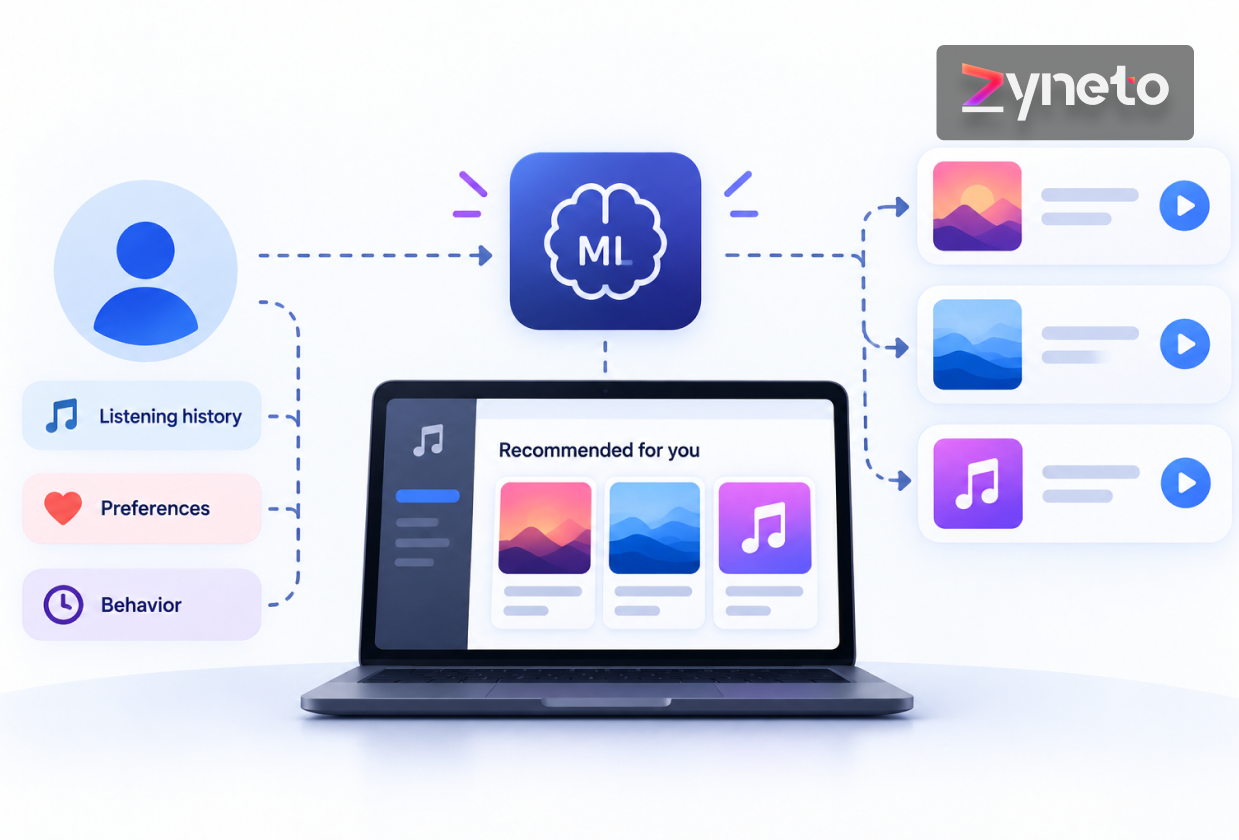
Use preferences, behavior, and location to suggest relevant matches instead of random profiles. The better your matching system, the higher your user retention.
A simple swipe mechanism makes the app fun and easy to use. Users can quickly browse profiles and show interest without overthinking.
Once users match, they should be able to chat instantly. Add text, emojis, and media sharing to make conversations engaging.
This feature builds trust and helps users connect better before meeting in real life. It also increases the time spent on your app.
Allow users to find matches nearby using location data. This makes connections more relevant and increases the chances of real meetings.
Keep users engaged with alerts for new matches, messages, and activity. This brings users back to your app regularly.
User safety should be your top priority. Include profile verification, block/report options, and data protection measures.
Let users filter matches based on age, interests, distance, and preferences. This improves user satisfaction by giving them more control.
Offer premium options like unlimited swipes, profile boosts, or seeing who liked you. This not only enhances experience but also helps you generate revenue.
If you focus on these dating app features, you won’t just build an app; you’ll create an experience that users keep coming back to.
And that’s exactly what makes a dating app successful.
If you’re planning to build your own platform, understanding the dating app development process is the most important step.
This is where your idea turns into a real, functional product that users can download and use.
In this dating app development guide, you’ll learn exactly how to move from concept to launch without confusion.
Let’s break down how to develop a dating app step by step:
Before you jump into development, you need to understand the market you’re entering.
Start by researching existing apps, their features, strengths, and gaps. Look at user reviews to identify what people like and what frustrates them.
This will help you find opportunities to build something better and more unique.
Also, define your target audience clearly, including age, preferences, and behavior. A strong research foundation makes it easier to make the right decisions later.
Now that you understand the market, it’s time to decide what makes your app different.
You can’t just copy existing platforms if you want to succeed.
Choose a niche like professionals, hobbies, or specific communities to stand out. Then define your unique value proposition, why users should choose your app.
This step is crucial when learning how to build a dating app that actually grows. Clarity here will guide your features, design, and marketing strategy.
Before development begins, you should decide how your app will make money. This helps you design features that support your revenue strategy from the start.
Common models include subscriptions, freemium access, and in-app purchases.
You can also offer premium features like profile boosts or unlimited swipes. Choosing the right model ensures long-term sustainability of your app. It also helps you plan your business strategy more effectively.
At this stage, you need to decide what features your app will include. Focus on building a Minimum Viable Product (MVP) with only essential features first.
This may include profiles, matching, chat, and notifications. Avoid adding too many features in the beginning to save time and cost.
Create a clear roadmap that defines what will be built and when. This step makes the dating app development process more structured and efficient.
Design plays a huge role in the success of any dating app. Your app should feel simple, intuitive, and visually appealing.
Focus on smooth navigation, easy swiping, and clean layouts. Make sure the onboarding process is quick and user-friendly.
Good design keeps users engaged and reduces drop-offs. This is a key step in understanding how to make a dating app that users love.
Selecting the right technologies is essential for performance and scalability. You need to decide on the frontend, backend, database, and APIs.
Popular choices include React Native, Flutter, Node.js, and cloud platforms. The right tech stack ensures faster development and better app performance.
It also helps you scale your app as your user base grows. This step directly impacts the long-term success of your platform.
Now comes the actual development phase, where your app starts taking shape.
Begin by building the core features defined in your roadmap. Focus on functionality rather than perfection in this stage.
An MVP allows you to launch quickly and test your idea in the market. You can collect feedback and improve the app based on real users.
This is one of the most critical stages in how to develop a dating app.
To enhance your app’s functionality, you’ll need to integrate external services. This includes payment gateways, chat systems, and location services.
APIs help you add advanced features without building everything from scratch. They also save time and reduce development complexity.
Make sure all integrations are secure and reliable. This step ensures your app delivers a smooth and modern experience.
Before launching, your app must go through thorough testing. Check for bugs, performance issues, and security vulnerabilities.
Test the app on different devices and operating systems. Make sure all features work as expected without crashes.
A well-tested app builds trust and improves user satisfaction. Never skip this step in the dating app development guide.
Once everything is ready, it’s time to launch your app. Publish it on platforms like Google Play Store and Apple App Store.
Ensure your app listing is optimized with proper descriptions and visuals. A strong launch strategy helps you attract early users quickly.
You can also use marketing campaigns to create buzz. This is where your idea finally becomes a real product in the market.
Launching your app is just the beginning of your journey. You need to continuously monitor performance and user feedback.
Fix bugs, improve features, and add new updates regularly. User expectations change, so your app should evolve as well.
Continuous improvement helps you stay competitive in the market. This is the final step in learning how to build a dating app successfully.
If you’re planning to launch your own platform, understanding the dating app development cost is crucial before getting started.
The pricing can vary depending on your app’s scope, but to give you a clear idea.
The cost to develop a dating app typically ranges between $20,000 to $300,000+
If you’re building a basic app with essential features like user profiles, matching, and chat, the cost will be on the lower end.
For a more advanced app with features like video calls, AI-based matching, and premium functionalities, the cost increases significantly.
To simplify it further:
So, the cost to make a dating app depends on how simple or advanced you want your platform to be.
Starting with a basic version and upgrading later is often the smartest and most cost-effective approach.
When you plan to develop a dating app, choosing the right tech stack is just as important as your idea.
The technologies you use will decide how fast, secure, and scalable your app will be.
To deliver a premium experience for Apple users, focus on iOS-specific technologies like Swift.
An experienced iOS development firm can help ensure your app is optimized for performance, security, and seamless functionality across all Apple devices.
Today, modern dating apps are powered by AI, real-time communication tools, and cloud infrastructure to deliver a smooth and personalized experience.
So if you want to stand out, you need to go beyond basic development and use the latest technologies:
Technology stack for the dating app development process:
|
Category |
Technologies |
Purpose |
|
Frontend (Mobile) |
React Native, Flutter, Swift, Kotlin |
Build smooth and responsive user interfaces |
|
Backend |
Node.js, Django, Ruby on Rails |
Handle server logic, user data, and APIs |
|
Database |
MongoDB, PostgreSQL, MySQL |
Store user profiles, messages, and activity |
|
AI & Machine Learning |
TensorFlow, OpenAI APIs, Python |
Smart matchmaking, recommendations, and behavior analysis |
|
Real-Time Chat |
Firebase, Socket.io |
Enable instant messaging and live interactions |
|
Video & Voice |
WebRTC, Twilio |
Power video calls and voice communication |
|
Geolocation |
Google Maps API, Mapbox |
Match users based on location |
|
Cloud & Hosting |
AWS, Google Cloud, Microsoft Azure |
Ensure scalability and performance |
|
Authentication |
OAuth, Firebase Auth |
Secure login and user authentication |
|
Payment Integration |
Stripe, Razorpay |
Enable subscriptions and in-app purchases |
Using the right combination of these technologies will help you develop a dating app that is fast, secure, and ready to scale as your user base grows.
Partnering with an experienced mobile app development company ensures you choose the right tech stack and build a high-performing app that succeeds in the long run.
When you build a dating app, monetization becomes essential for long-term success while keeping users engaged and delivering value consistently over time.
Choosing the right strategy ensures your platform grows while generating steady revenue:
Offer monthly or yearly subscriptions, unlocking premium features like unlimited swipes, advanced filters, better visibility, and an ad-free experience to develop a dating app successfully.
To create a dating app that attracts more users, provide basic features for free while charging for advanced functionalities, and encourage gradual upgrades through better engagement.
Allow users to purchase boosts, super likes, or extra matches, improving visibility and increasing chances of meaningful connections.
Display relevant ads within the platform to generate revenue while offering users an option to remove ads through premium upgrades if you want to build a dating app profitably.
Offer paid profile-boosting features that increase visibility for a limited time, helping users get more matches and interactions while you develop a dating app.
Provide personalized matchmaking using expert insights or AI, helping users find better connections and making it easier to create a dating app with premium value offerings.
Organize virtual or offline events and charge participation fees, creating new income opportunities and helping you make a dating app more engaging for users.
Partner with brands to promote services like restaurants or gifts, earning commissions while enhancing user experience and supporting your goal to build a dating app.
When you build a dating app, you’ll face multiple challenges that can impact user experience, trust, and growth.
Following a proper dating app development guide helps you identify these issues early and build a more reliable platform:
|
Challenge |
Solution |
|
Fake profiles and bots reduce trust and harm user experience. They also affect the credibility of your platform. |
Use AI-based verification, OTP login, and profile moderation to ensure only genuine users join your platform and interact safely. |
|
Users worry about privacy and data security while sharing personal information. Lack of trust can stop users from engaging actively. |
Implement strong encryption, privacy controls, and secure authentication methods to protect user data and build confidence among users. |
|
Low user engagement leads to fewer interactions and higher drop-off rates. Users may lose interest if the app feels repetitive. |
Use push notifications, gamification, and personalized recommendations to keep users engaged and encourage regular activity on your platform. |
|
Poor matching results frustrate users and reduce retention rates significantly. Irrelevant suggestions make the experience less enjoyable. |
Use AI and behavioral analysis to improve match accuracy and deliver more relevant, personalized recommendations to users consistently. |
|
High competition makes it difficult to stand out in the market. Many apps offer similar features, making differentiation challenging. |
Focus on a niche audience or unique features to create a strong identity and attract users looking for something different. |
|
Data breaches and security risks can damage your brand reputation. Users expect their personal information to remain safe and protected. |
Use secure servers, regular security audits, and advanced protection systems to safeguard user data and prevent unauthorized access effectively. |
|
Scaling issues occur as the user base grows rapidly over time. Poor performance can lead to app crashes and user dissatisfaction. |
Following a proper guide to dating app development helps you use a scalable cloud infrastructure and maintain smooth performance during growth phases. |
|
Monetization can impact user experience if not handled properly. Too many ads or paid features may frustrate users quickly. |
Get in touch with Android app development services to ensure balanced monetization strategies that maintain user satisfaction while generating consistent revenue effectively. |
Now that you have launched your brand new dating app, how are you going to attract a huge number of users?
Around 78% of users experience fatigue while using dating apps. So, this means you need solid marketing strategies.
In this section, we are going to talk about it:
Optimize your app title, description, and visuals with relevant keywords to improve visibility.
This is one of the most effective ways to launch a dating app and get organic downloads quickly.
Promote your app on platforms like Instagram, TikTok, and Facebook with engaging content. Short videos, reels, and user stories can help you attract attention and build curiosity.
Partner with influencers in the dating or lifestyle niche to promote your app. Their audience's trust can help you gain users faster and boost credibility.
Encourage users to invite friends by offering rewards like premium features or boosts. This creates a viral loop and helps your app grow organically.
Run ads on Google, Facebook, and Instagram targeting your ideal audience. This is a powerful strategy when planning how to launch a dating app successfully.
Create blogs, guides, and landing pages to attract users through search engines. This builds long-term traffic and establishes your authority in the market.
If you want to launch a dating app, you should know that it is all about creating a complete experience that users enjoy and trust.
As an experienced dating app development company, Zyneto helps you turn your idea into a scalable and high-performing app.
Here’s how Zyneto supports you:
Zyneto helps you refine your idea, identify your target audience, and define a clear roadmap for success.
Get a fully customized dating app built according to your unique concept and business goals.
From AI matchmaking to real-time chat and video calls, everything is built to enhance user experience.
The team ensures your app is visually appealing, easy to use, and highly engaging for users.
Your app is developed with strong security measures and a scalable architecture for future growth.
Zyneto delivers a bug-free, smooth-performing app through thorough testing and optimization.
From deployment to updates and maintenance, you get continuous support even after launch.
With the right team and strategy, turning your dating app idea into reality becomes much easier and faster.
The dating app market is growing rapidly, creating endless opportunities for new and innovative ideas.
From understanding the market and choosing the right type to defining features, development, and marketing, every step plays an important role in your success.
The key is to stay focused on user experience, offer real value, and keep improving your app over time.
If you follow the right strategy, use the right technologies, and plan your monetization wisely, you can successfully create a dating app that stands out in this competitive market.
Remember, it’s not just about launching an app; it’s about building a platform that people trust, enjoy, and keep coming back to.
So take your idea seriously, execute it smartly, and you’ll be one step closer to building the next big dating platform.
It usually takes around 3 to 9 months, depending on the app’s complexity, features, and development approach. A basic app takes less time compared to advanced platforms.
Key features include user profiles, matching algorithms, chat functionality, geolocation, and security features. These ensure a smooth and engaging user experience.
The cost to create a dating app can range from $20,000 to $300,000+, depending on features, design, and development requirements.
Start by defining features, target audience, and business model. Design UI, choose tech stack, develop backend, integrate APIs, test thoroughly, then launch and market.
Dating apps generate revenue through subscriptions, in-app purchases, advertisements, and premium features like profile boosts and matchmaking services.

Vikas has around fifteen years of experience building software and now builds generative AI systems at Zyneto. His work covers retrieval augmented generation, agentic AI, knowledge graphs, AI memory, and the evaluation and guardrails that decide whether any of it is safe to put in front of customers. He has shipped enterprise copilots, document AI, chatbots and predictive analytics for e-commerce, fintech and marketing teams, and works day to day in Python, JavaScript and SQL. He follows multimodal models, business process automation and enterprise AI security closely, and mentors engineers moving into AI. He writes about architecture, inference cost and the failure modes that only show up at production scale.
Share your details and we will talk soon.
Be the first to access expert strategies, actionable tips, and the trends actually shaping the digital world. No fluff - just practical insights delivered straight to your inbox.
Dive into our blog and stay ahead of the curve with expert perspectives, future-ready trends, and tech tips written for decision-makers and doers alike.