You’re holding the keys to a billion-dollar digital ecosystem.
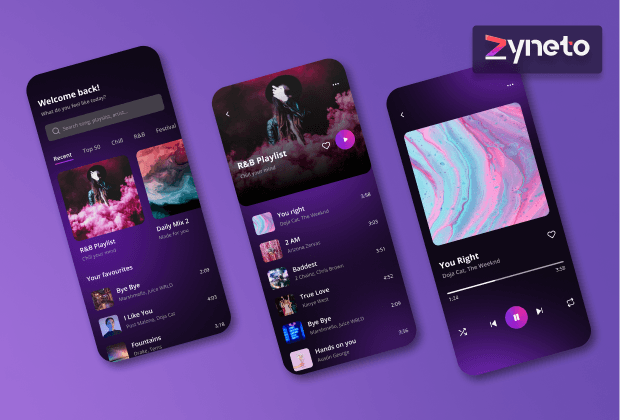
When you analyze a streaming platform, you aren’t just looking at a jukebox; you’re looking at a high-volume data engine with massive scalability.
For an investor, the big question is: how do these music apps make money while paying out massive royalties to record labels?
The answer lies in the "freemium" funnel.
It starts with grabbing millions of users with a free, ad-supported tier. This acts as your low-cost customer acquisition tool.
Once they are hooked on the interface, the goal is to convert them into high-margin monthly subscribers.
But the real "alpha" for an investor isn't just the subscription fee.
It’s the ecosystem, selling concert tickets, exclusive merchandise, and high-value user data that brands crave.
If you want to understand the unit economics of the next big audio disruptor, you have to look past the melodies and focus on the margins.
Let’s dive into the revenue streams that keep the lights on and the stocks climbing.
If you want to stay ahead of the curve, you have to realize that there isn’t just one way to win.
The landscape is shifting, and the smartest players are layering multiple music app monetization models to capture every cent on the table.
Here is a breakdown of the models you should be looking at:
This is the entry point. You give users access to a massive library but interrupt their flow with audio or display ads.
From your perspective, this is a volume game. You are selling "ears" to advertisers. While the margins per user are thin, this is how music apps make money from the casual listener who refuses to open their wallet.
It’s the ultimate top-of-funnel strategy to build a massive user base before nudging them toward the premium experience.
This is where the real stability lies. You offer different levels of access based on the user's needs.
Think about it: Why charge everyone the same? You have individual, family, student, and even Duo plans.
By diversifying your music app monetization strategies, you lower the barrier to entry for students while maximizing the "per-household" revenue from families.
This creates a sticky ecosystem that is very hard for a user to leave once their entire library and family are synced up.
You should be watching this space closely. It’s no longer just about the stream; it’s about the connection.
Some of the most innovative apps allow users to buy "virtual goods" or tip artists during live-streamed sessions.
When you analyze how music streaming apps make money today, you’ll see they are becoming marketplaces.
By integrating features like early-access concert tickets or digital badges for "Superfans," you effectively sidestep the low-margin streaming royalty trap.
This pivot allows you to capture high-margin revenue directly through deep fan engagement and exclusive digital ownership.
Behind every play button is a data point. You are sitting on a goldmine of consumer behavior.
Record labels, concert promoters, and even lifestyle brands are desperate to know what people are listening to in specific zip codes.
Selling these anonymized insights or using them to provide "Label Services" is a powerful way to monetize the backend of your platform without ever charging the listener an extra dime.
For the audiophiles, standard streaming isn't enough.
You can offer a "Hi-Fi" tier at a significant markup. This targets the niche audience that owns expensive gear and is willing to pay a premium for lossless audio quality.
Additionally, partnering with smart-speaker brands or car manufacturers allows you to embed your service into their hardware, often resulting in lucrative licensing fees or pre-installed user acquisition deals.
If you’ve built a solid infrastructure, why keep it to yourself?
You can charge other businesses to use your streaming API or white-label your tech stack for niche communities (like a dedicated app for yoga studios or high-end retail stores).
Keep in mind that the cost to develop a music app with this level of stability is high, but the payoff is becoming the "plumbing" for the entire audio industry. You move from being a consumer app to a B2B powerhouse.
You should also look at the power of brand integration.
Instead of annoying users with traditional commercials, you can create "sponsored playlists" or branded "listening rooms."
Large corporations are willing to pay a premium to have their name associated with a specific vibe or a trending genre.
By integrating these partnerships, you’re not just selling ad space; you’re selling an association with culture.
It’s a clean, high-margin way to boost revenue without disrupting the user experience or relying solely on monthly fees.
Streaming isn't just about third-party catalogs anymore.
Producing original podcasts or exclusive sessions lets you own the intellectual property outright, eliminating heavy licensing fees.
When you own the content, every stream becomes pure profit rather than a shared royalty expense.
This strategy gives users a unique reason to stay on your platform instead of switching to a competitor with the same song library.
It’s a powerful move to build brand loyalty while significantly improving your long-term profit margins.
You can turn your app into a global venue by hosting ticketed virtual concerts or interactive artist sessions.
Charging for "front-row" digital access or exclusive Q&As creates high-margin revenue without the heavy physical logistics of a traditional tour.
This model taps into the experience economy, allowing fans to feel connected to their favorite stars from anywhere in the world.
It’s an incredibly scalable way to monetize the deep emotional bond between creators and their audience while keeping your overhead costs low.
Visibility is gold for independent artists and labels, and you can monetize that demand effectively.
By offering sponsored placements in discovery algorithms or popular mood-based playlists, you create a new B2B revenue stream.
Allowing labels to pay for a "boost" in visibility monetizes the discovery phase of the listener’s journey while helping fresh music reach the right ears.
As long as you maintain editorial quality, this "pay-for-play" digital real estate becomes a highly profitable asset that requires almost zero additional infrastructure.
So, now you’ve seen the top monetization models for a music streaming app.
The next step?
Figuring out which one actually makes sense for your business.
Selecting the perfect music streaming app monetization model isn't just a financial decision; it's a strategic move that defines your brand’s identity in a crowded market.
You need to weigh user experience against your bottom line to ensure that your revenue goals don't drive away the very audience you're trying to build.
Before you decide how your music apps make money, you have to understand who is listening.
Are they Gen Z users who prefer short-form, ad-supported content, or high-end audiophiles willing to pay a premium for lossless quality? Your model should mirror their spending habits.
The most successful music app monetization model is one that provides value before asking for a credit card.
Use a "freemium" strategy to let users fall in love with your interface, then introduce just enough friction, like limited skips, to make the upgrade feel like a relief rather than a chore.
If your platform focuses on independent artists or niche genres, a standard subscription might not be enough. Consider "Direct-to-Fan" features like tipping or exclusive digital merchandise.
When you create a music app, you have to align your monetization strategy with your niche audience, not just copy what big platforms are doing.
It’s much cheaper to keep a subscriber than to find a new one. Ensure your monetization strategy includes loyalty rewards or family sharing plans that make it "sticky."
The goal is to create a long-term ecosystem where leaving the app feels like losing a personal library.
Don't be afraid to experiment with hybrid models. You might start with ads and realize that your users actually prefer a one-time "pass" for specific live events.
Stay agile and use data to refine your approach, ensuring your platform remains both profitable and user-friendly.
Navigating the financial architecture of a streaming platform requires more than just a good playlist; it requires a partner who understands high-scale digital ecosystems.
At Zyneto, we specialize in building robust, scalable platforms that turn listeners into loyal revenue streams.
Our expertise extends across various social and engagement-driven niches.
For instance, our custom dating app development services utilize similar high-engagement monetization strategies, such as premium filters, virtual gifting, and tiered memberships, to ensure long-term profitability.
We help you identify the specific revenue mix that will maximize your ROI.
We don't just write code; we architect business models that balance user experience with aggressive growth.
We help you build a platform that doesn't just play content; it generates profit. Let’s collaborate to turn your vision into a scalable, cash-flowing reality.
Cracking the code on how to build a profitable audio platform is all about staying ahead of user behavior.
As you have seen, the most successful ventures don't just rely on a single stream of income. They build a multi-layered strategy that combines the mass appeal of ads with the high-margin stability of premium subscriptions and direct fan engagement.
Success in this space belongs to those who view their platform as a holistic ecosystem rather than just a simple delivery tool.
By prioritizing user retention and exploring niche revenue streams like data insights or brand partnerships, you can protect your margins against rising royalty costs.
Now is the time to look past the surface-level metrics and focus on building a sustainable, scalable business model.
Launching a new startup or optimizing an existing service requires a precise monetization mix to serve as the heartbeat of your long-term growth.
Free users view ads and provide behavioral data. This high-volume traffic allows platforms to sell targeted advertising slots and valuable market insights to brands.
The freemium model is ideal. It builds a massive audience quickly through free access, then uses premium features to convert listeners into recurring monthly subscribers.
Yes, by focusing on high-margin transactions. Selling concert tickets, exclusive artist merchandise, and digital fan experiences can offset the lack of consistent monthly subscription fees.
Major costs include cloud streaming infrastructure, complex music licensing deals, and AI recommendation engines. These elements ensure the platform remains competitive and legally compliant worldwide.
Profitability comes from diversifying income. By layering brand partnerships and data analytics over streaming services, platforms protect their margins from the high costs of music.

Vikas has around fifteen years of experience building software and now builds generative AI systems at Zyneto. His work covers retrieval augmented generation, agentic AI, knowledge graphs, AI memory, and the evaluation and guardrails that decide whether any of it is safe to put in front of customers. He has shipped enterprise copilots, document AI, chatbots and predictive analytics for e-commerce, fintech and marketing teams, and works day to day in Python, JavaScript and SQL. He follows multimodal models, business process automation and enterprise AI security closely, and mentors engineers moving into AI. He writes about architecture, inference cost and the failure modes that only show up at production scale.
Share your details and we will talk soon.
Be the first to access expert strategies, actionable tips, and the trends actually shaping the digital world. No fluff - just practical insights delivered straight to your inbox.
Dive into our blog and stay ahead of the curve with expert perspectives, future-ready trends, and tech tips written for decision-makers and doers alike.