How Much Does It Really Cost to Build an App Like Resy in 2026?


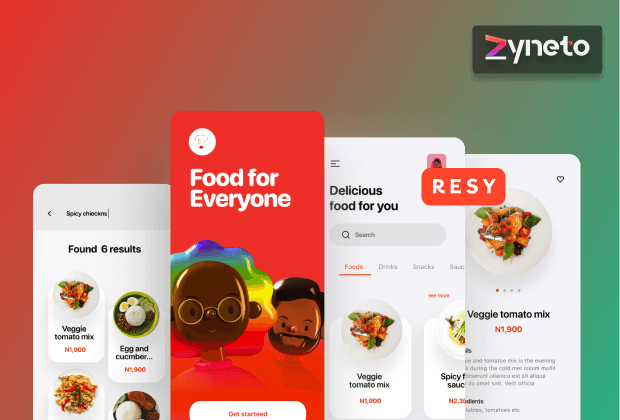
In 2026, building a restaurant reservation app is the easy part. Building one that actually competes with Resy? That's a completely different conversation.
Today's users don't just want a table; they want instant confirmations, curated experiences, smart recommendations, and an interface so smooth that they never think twice about it. And delivering that level of product comes with a real price tag.
Every feature hits the budget. Real-time syncing, a scalable backend, third-party integrations, and a slick UI, none of it is optional if you're serious about competing.
So the real question isn't, "Can you build it?" It's what will it cost, and does the math actually make sense?
That's exactly what we're breaking down here.
The Resy-like app development cost can range from $10,000-$90,000+; it’s shaped by multiple moving parts that directly impact your budget.
From the complexity of features to the choice of technology and team expertise, every decision plays a role in the final development cost of a restaurant app.
A simple reservation app will cost far less than a full-scale platform with AI-driven recommendations, real-time syncing, and advanced analytics.
To plan effectively, it’s important to understand what exactly you’re paying for and how each component contributes to the overall investment. Here’s a quick breakdown:
|
App Type |
Estimated Cost (2026) |
Features Included |
|
Basic App (MVP) |
$25,000 – $80,000 |
User login, profiles, basic UI, limited features, simple backend, core functionality |
|
Mid-Level App |
$80,000 – $120,000 |
Advanced UI/UX, real-time features, APIs integration, push notifications, analytics |
|
Advanced App |
$120,000 – $150,000+ |
AI features, complex backend, high scalability, custom integrations, admin panel, security layers |
The Resy-like app development cost depends on several technical and business decisions that shape your app’s overall scope.
From feature selection to infrastructure and long-term scalability, each factor plays a direct role in defining your budget.
If you're planning smartly, understanding these elements will help you control the cost to develop an app like Resy while still building a competitive and user-friendly platform.
Here are some factors:
The features you choose will heavily influence the Resy-like app development cost.
When you create a restaurant app, a basic app with login, booking, and listings will cost less, while advanced features like real-time availability, AI recommendations, and dynamic pricing will increase expenses.
The more complex the functionality, the more development hours are required, directly impacting the overall cost.
Cost Impact: 25% – 30%
A well-designed interface improves engagement but also raises the cost to develop an app like Resy.
Simple layouts are budget-friendly, but custom designs with animations, intuitive navigation, and personalized user flows require more design effort.
Investing in premium UI/UX can enhance user retention, but it comes at a higher price.
Cost Impact: 10% – 15%
Your platform choice affects the cost to build an app like Resy significantly.
Developing for a single platform is more affordable, while building for both iOS and Android increases time and cost.
Cross-platform solutions can reduce expenses, but native apps may offer better performance and scalability.
Cost Impact: 10% – 20%
A strong backend system is essential and directly impacts the cost to create an app like Resy.
Features like real-time bookings, data synchronization, and cloud storage require a robust infrastructure.
The more scalable and secure your backend needs to be, the higher the development cost.
Cost Impact: 20% – 25%
Integrating services like payment gateways, maps, and notifications adds to the Resy-like app development cost.
Each integration requires setup, testing, and maintenance. While these tools enhance functionality and user experience, they also increase overall development effort.
Cost Impact: 5% – 10%
The expertise and location of your mobile app development company influence the cost to develop a restaurant reservation app like Resy.
Hiring developers from high-cost regions will increase your budget, while outsourcing to cost-effective regions can help reduce expenses.
However, quality and experience should never be compromised.
Cost Impact: 15% – 25%
Post-launch support plays a major role in the cost to build an app like Resy.
Regular updates, bug fixes, and performance improvements are necessary to keep the app running smoothly.
As your user base grows, scaling your system will require additional investment over time.
Cost Impact: 10% – 15%
Launching a restaurant reservation app like Resy isn’t just about features; it’s a race between time, complexity, and budget.
The longer your development timeline, the higher your cost to make an app like Resy.
Why? Extended timelines mean more developer hours, prolonged testing cycles, and increased resource allocation.
A simple MVP can be launched relatively quickly, helping you validate your idea without burning through your budget.
On the other hand, a fully featured, scalable platform with smart recommendations, real-time booking sync, and analytics will naturally take more time and money.
Here’s a clear breakdown of how timelines impact overall development cost:
|
Development Stage |
Timeline Estimate |
What’s Included |
Cost Impact |
|
Planning & Research |
1–2 Months |
Market research, competitor analysis, feature planning, wireframing |
+5% to 10% |
|
UI/UX Design |
2–3 Months |
App design, user journeys, interactive prototypes |
+10% to 15% |
|
MVP Development |
3–4 Months |
Core features like login, restaurant listings, and the booking system |
+20% to 30% |
|
Advanced Features |
3–6 Months |
Real-time availability, payment integration, push notifications |
+25% to 35% |
|
Testing & QA |
3–5 Weeks |
Bug fixing, performance testing, usability improvements |
+10% to 15% |
|
Deployment & Launch |
2–3 Weeks |
App store submission, backend setup, final optimizations |
+5% to 10% |
|
Post-Launch Updates |
Ongoing |
Feature updates, maintenance, scaling |
+15% to 25% |
Managing the cost to develop a restaurant reservation app like Resy requires a smart, structured approach rather than aggressive cost-cutting.
The idea is to focus on efficiency, building only what’s necessary, using the right tools, and scaling at the right time.
When done correctly, you can reduce waste, speed up development, and still deliver a seamless user experience that meets market expectations.
Instead of investing heavily up front, begin with a minimum viable product (MVP).
Focus on core features like user registration, restaurant listings, and booking functionality.
This approach allows you to test your idea in the real market, gather feedback, and make improvements based on actual user behavior.
It significantly reduces the cost to make a restaurant reservation app like Resy by avoiding overdevelopment in the early stages.
Developing features like payment gateways, push notifications, or map integrations from scratch can increase both time and budget.
Using pre-built and reliable third-party integrations helps you speed up development while ensuring quality and security.
This not only lowers the development effort but also keeps maintenance costs under control in the long run.
Selecting the right development team is critical.
A skilled and experienced partner knows how to streamline processes, use the right tech stack, and avoid costly mistakes.
Instead of choosing based on price alone, look for a team that offers transparency, proven expertise, and scalable solutions.
The right partner can optimize resources and prevent budget overruns.
Choosing every feature at once can quickly inflate costs. Focus on high-priority functionalities that deliver immediate value to users.
Advanced features like using AI for a restaurant app, loyalty programs, or analytics dashboards can be added in later phases.
This phased development strategy helps you manage costs effectively while continuously enhancing the app experience.
In the end, optimizing cost is about working smarter, not cutting corners.
A well-planned roadmap, combined with the right execution strategy, ensures you build a high-quality app without overspending.
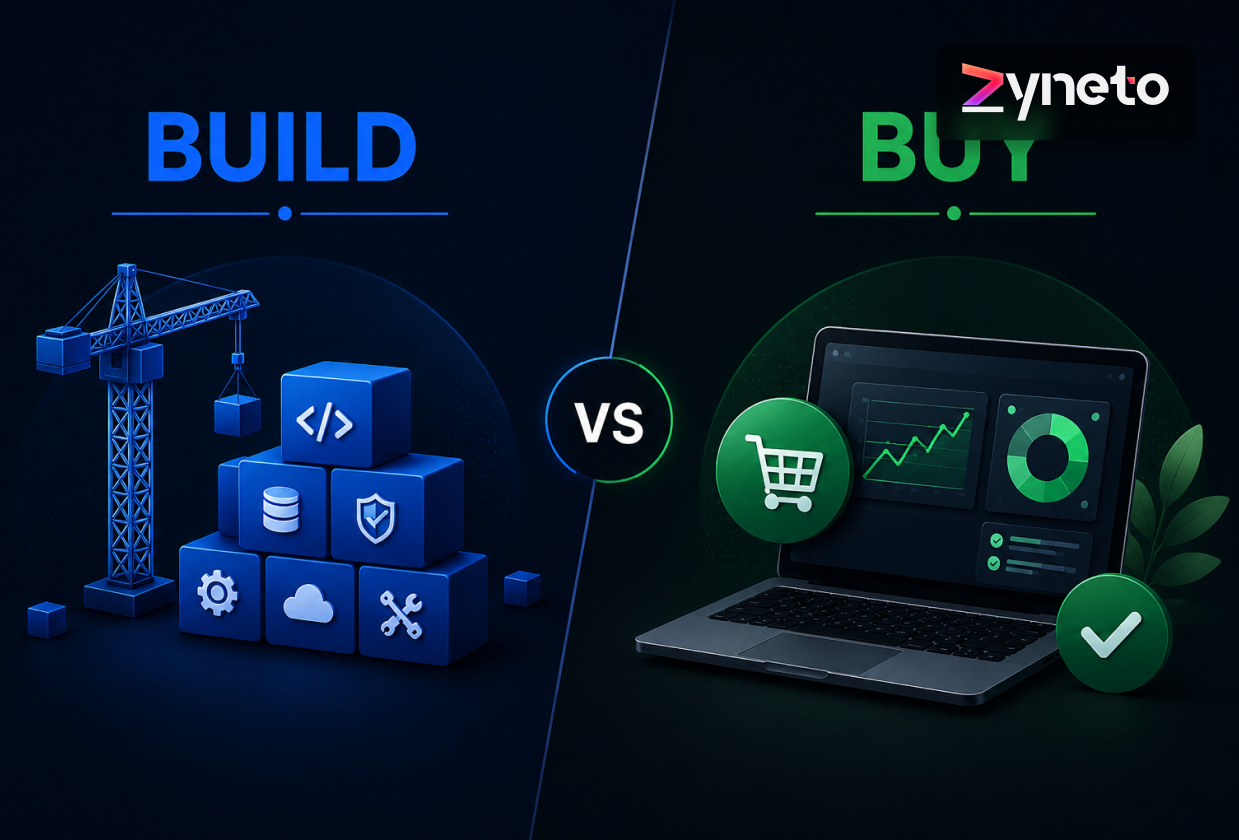
When deciding between a custom resy app vs off the shelf resy app, it really comes down to your business goals, budget, and long-term vision.
A custom app gives you full control, flexibility, and scalability, while an off-the-shelf solution offers speed and lower upfront costs. The right choice depends on whether you want a quick launch or a tailored product that stands out in a competitive market.
Here’s a side-by-side comparison to help you decide:
|
Factor |
Custom App Development |
Off-the-Shelf Solution |
|
Initial Cost |
Higher upfront investment | Lower initial cost |
|
Development Time |
Takes longer (3–9 months or more) | Quick deployment (days to weeks) |
|
Customization |
Fully customizable based on your business needs | Limited customization options |
|
Scalability |
Highly scalable as your business grows | May face limitations as user base increases |
|
User Experience |
Tailored UI/UX for your target audience | Generic design for a broad audience |
|
Maintenance |
Requires dedicated support and updates | Usually handled by the provider |
|
Integration Flexibility |
Easy to integrate with custom tools and APIs | Limited integration capabilities |
|
Competitive Advantage |
Unique features help you stand out | Common features used by multiple businesses |
|
Long-Term Cost |
Higher initially, but cost-effective over time | Ongoing subscription or licensing fees |
|
Best For |
Startups aiming for innovation & enterprises scaling fast | Small businesses needing quick, budget-friendly solutions |
In most cases, businesses start with off-the-shelf tools to validate their idea and later move to a custom solution once they’re ready to scale and differentiate.
With the right restaurant app development services, teams like Zyneto help you move faster, avoid costly mistakes, and build a product that’s actually ready for real users,not just launch day.
Creating a successful restaurant reservation platform in 2026 is all about clarity, timing, and smart execution.
Instead of overinvesting upfront, focus on launching with essential features, validating your idea in the market, and improving based on real user feedback. This approach not only reduces risk but also ensures your budget is used where it actually matters.
Every decision from feature selection to development strategy directly impacts your overall cost and long-term scalability.
Prioritizing user experience, choosing the right tech partner, and planning for gradual growth can make a significant difference in outcomes.
In the end, success doesn’t come from spending more; it comes from spending wisely, adapting quickly, and continuously improving your product based on what users truly need.
The cost typically ranges between $25,000 to $150,000+, depending on features, complexity, and scalability requirements. A basic MVP costs less, while advanced apps with AI, real-time syncing, and integrations require a higher investment.
Development time can range from 3 to 9 months. A simple MVP may take 2–4 months, while a fully-featured app with advanced functionalities and integrations can take longer depending on scope and team size.
Core features include user registration, restaurant listings, table reservations, real-time availability, notifications, and payment integration. Advanced features like AI recommendations, loyalty programs, and analytics can be added later as the app grows.
Yes, by starting with an MVP, using third-party integrations, prioritizing essential features, and choosing an experienced development partner, you can control costs while maintaining high quality and performance.
It depends on your goals. Custom apps offer flexibility, scalability, and unique branding, while off-the-shelf solutions are quicker and more budget-friendly. Many businesses start with ready-made solutions and switch to custom development as they scale.

Vikas has around fifteen years of experience building software and now builds generative AI systems at Zyneto. His work covers retrieval augmented generation, agentic AI, knowledge graphs, AI memory, and the evaluation and guardrails that decide whether any of it is safe to put in front of customers. He has shipped enterprise copilots, document AI, chatbots and predictive analytics for e-commerce, fintech and marketing teams, and works day to day in Python, JavaScript and SQL. He follows multimodal models, business process automation and enterprise AI security closely, and mentors engineers moving into AI. He writes about architecture, inference cost and the failure modes that only show up at production scale.
Share your details and we will talk soon.
Be the first to access expert strategies, actionable tips, and the trends actually shaping the digital world. No fluff - just practical insights delivered straight to your inbox.
Dive into our blog and stay ahead of the curve with expert perspectives, future-ready trends, and tech tips written for decision-makers and doers alike.