How to Use AI for a Restaurant App?


The restaurant industry is no longer just about great food; it's about great technology.
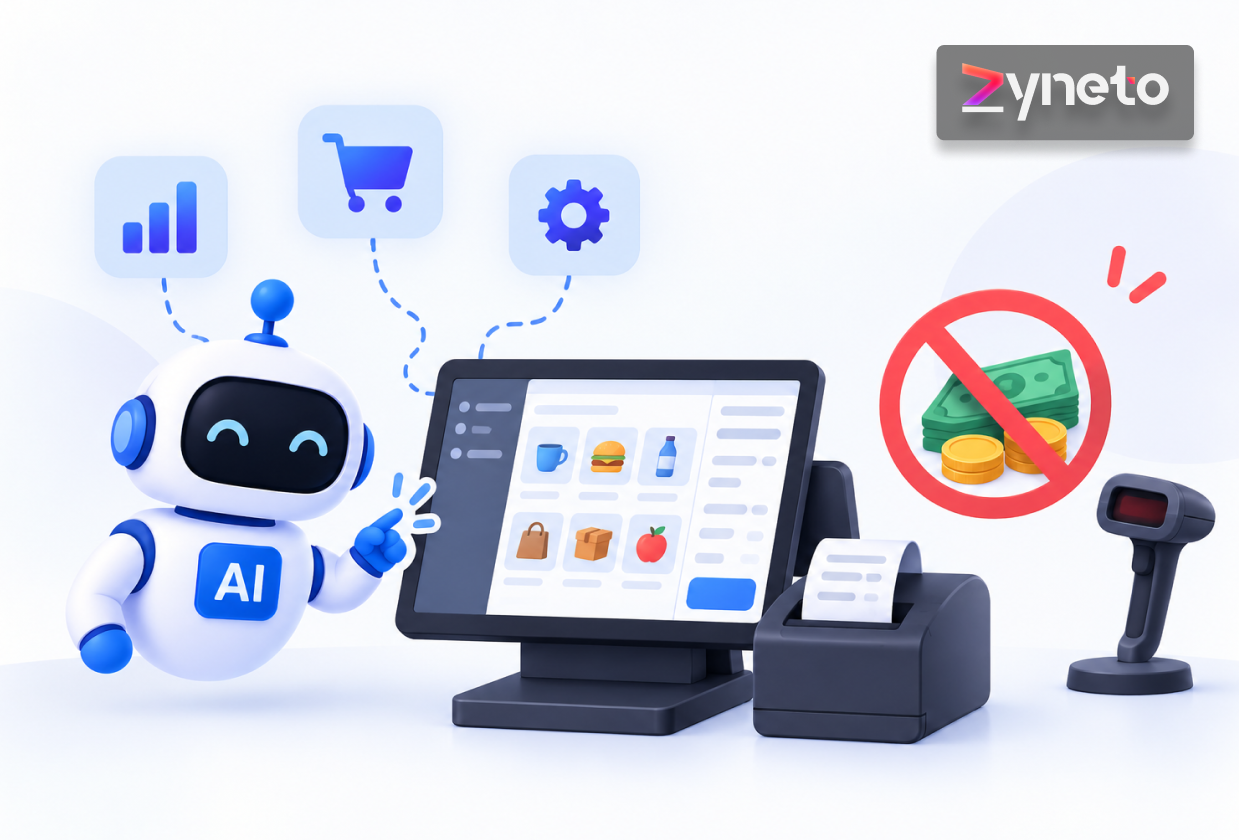
AI is quietly revolutionizing the way restaurant apps work, turning them from simple ordering tools into intelligent platforms that think, learn, and adapt in real time.
Be it recommending a customer’s next favorite dish before they even search for it, or automatically recording stock before it runs out, AI is doing the heavy lifting that used to take an entire team.
And the businesses that are catching on? They're not just surviving a brutally competitive market. They're pulling ahead of it.
Understanding how to use AI for a restaurant app gives you an edge that goes far beyond convenience.
It means knowing what your customers want before they do, predicting demand before it peaks, and delivering experiences so personalized that guests feel like the app was built just for them.
That kind of loyalty isn't built by accident; it's built by data, and AI is the engine behind it.
But the impact doesn't stop at the customer-facing side.
Behind the scenes, AI is quietly transforming how restaurants work. It helps manage inventory, process orders, reduce waste, and cut operational costs.
The result? Your team spends less time on repetitive tasks and more time on what actually matters, the food and the experience.
In this blog, we'll break down exactly how AI can be integrated into your restaurant app, the key features worth investing in, and how each one drives real, measurable growth for your business.
Let's dig in.
AI in restaurant app development refers to the integration of intelligent technologies such as machine learning, natural language processing, and predictive analytics into restaurant applications to make them smarter and more efficient.
Rather than relying on static menus and manual processes, AI-powered apps continuously learn from user behavior, preferences, and order history to deliver personalized, real-time experiences.
From automating customer interactions to optimizing kitchen workflows, AI transforms a basic restaurant app into a dynamic business tool.
It helps developers build apps that don't just respond to customers; they anticipate them, creating smoother experiences on both sides of the counter.
The use of artificial intelligence in a restaurant app is no longer just a trend; it's a smart business decision that's changing how restaurants grow and serve customers.
Here's why more restaurants are making the switch:
People want more than just food; they want to feel valued.
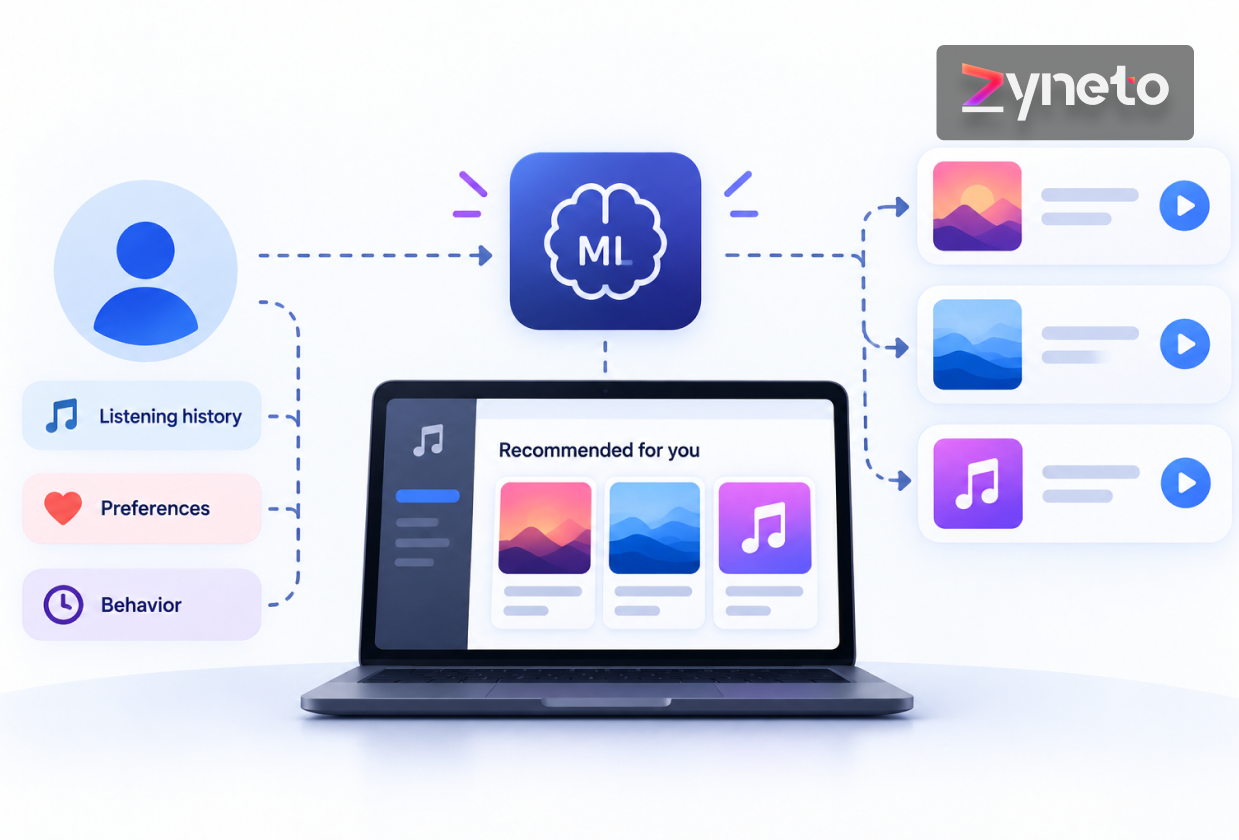
An AI-powered restaurant app remembers what customers like, tracks their past orders, and suggests meals they'll love.
When customers feel heard, they don't just order once; they keep coming back.
In a restaurant, every second matters.
When you leverage AI for a restaurant app, orders get routed automatically, mistakes go down, and the kitchen runs more smoothly.
Less confusion, less waiting, and a faster experience for everyone, staff and customers alike.
The best restaurants don't just sell food; they sell the right thing at the right time.
When you create a restaurant app powered by AI, it studies what customers buy, when they buy it, and what keeps them coming back.
This makes it easy to suggest add-ons, run smart deals, and increase sales without any extra effort.
The reasons are clear; now let’s get to know features to have in your app.
Customers today expect more from a restaurant app, and AI makes it possible to deliver.
The right AI feature for a restaurant app can change how people order, how your team works, and how fast your business grows.
From the front screen to the back kitchen, AI keeps everything running smoothly.
Here are the must-have features every modern restaurant app needs:
|
Feature |
What It Does |
Benefit |
|
AI-Powered Menu Recommendations |
Suggests dishes based on past orders and preferences |
Increases order value and customer satisfaction |
|
Smart Search & Filters |
Helps users find meals by diet, cuisine, or mood instantly |
Saves time and improves user experience |
|
Automated Order Management |
Routes and tracks orders without manual input |
Reduces errors and speeds up service |
|
AI Chatbot & Support |
Handles queries, reservations, and complaints 24/7 |
Cuts support costs and improves response time |
|
Demand Forecasting |
Predicts busy hours and popular items in advance |
Reduces waste and improves staff planning |
|
Dynamic Pricing |
Adjusts prices based on demand, time, or promotions |
Maximizes revenue during peak hours |
|
Loyalty & Rewards Program |
Tracks behavior and offers personalized deals |
Boosts repeat orders and customer retention |
|
Real-Time Inventory Tracking |
Monitors stock levels and auto-triggers reorders |
Prevents shortages and reduces food waste |
|
Push Notifications |
Sends personalized offers and order updates |
Drives engagement and repeat purchases |
|
Voice Ordering |
Lets customers place orders using voice commands |
Makes ordering faster and hands-free |
Customers want fast, easy, and personal, and that is exactly what AI delivers. AI is transforming restaurant apps from simple ordering tools into smart platforms that understand what each customer wants and when they want it.
Here is how it makes the experience better for every user:
AI is not just a concept; it is already working inside some of the world’s biggest restaurant brands.
Here is how real businesses are using AI in restaurant apps to drive results every single day:
Every customer is different, and AI makes sure the app treats them that way.
Instead of showing everyone the same menu, AI studies each user's past orders, food likes, and browsing habits to show meals they are most likely to enjoy.
It feels less like scrolling and more like getting a recommendation from someone who knows you well.
Example: Starbucks uses AI in their app to suggest drinks and food based on your order history, location, and even the weather outside. A loyal customer opens the app, and their favorite order is already waiting for them.
Running out of a popular dish or overstaffing on a slow day both cost money. AI solves this by predicting how busy a restaurant will be before it happens.
It looks at past data, local events, and trends to tell the kitchen exactly what to prepare and when.
Example: McDonald's uses AI to forecast how many customers will walk in hour by hour. This helps them prep the right amount of food, schedule the right staff, and waste almost nothing.
Not every hour of the day is the same , so why should every price be? AI adjusts prices automatically based on demand, time of day, and how busy the restaurant is.
Busy hours bring smart pricing. Slow hours bring attractive deals that pull customers back in.
Example: Domino's and several food delivery apps use AI to shift prices during peak and off-peak hours. A small price change at the right time can quietly add up to a big boost in monthly revenue.
Now that the benefits are clear, let’s explore the step-by-step process of implementation.
Knowing where to start is half the battle. To implement AI in a restaurant app the right way, you need a clear plan , not just good intentions. Follow these steps to make sure your AI integration is smooth, smart, and built to deliver real results:
Before writing a single line of code, get clear on what you want AI to do.
Do you want to personalize menus? Reduce wait times? Cut food waste?
Implement AI in a restaurant app with a specific problem in mind, and you will always get better results than those who add AI just to say they have it.
AI runs on data, and without good data, even the best AI will fall flat. Start collecting customer order history, peak hour patterns, popular dishes, and feedback.
The cleaner and richer your data, the smarter your AI in a restaurant app will perform from day one.
You do not have to build AI from scratch. Tools like Google Vertex AI, AWS Personalize, and OpenAI make it easy to add powerful AI features to your app without a massive budget.
Pick tools that match your goals and fit smoothly into your existing restaurant app development stack.
Do not try to implement everything at once. Pick one AI feature, like smart menu recommendations or an AI chatbot, and test it properly before moving on.
A focused rollout gives you real feedback, helps you fix issues early, and builds confidence in your AI-powered restaurant app step by step.
AI gets smarter the more it learns. Once your feature is live, let it gather real data from actual users. Track how customers interact, what they click, and what they skip.
Use this information to train and improve your AI in a restaurant app continuously; the results get better every week.
Launching AI is not the finish line; it is the starting point. Track key numbers like order values, customer retention, and app engagement regularly.
If something is not working, adjust it. The best restaurant brands that implement AI in a restaurant app treat it as an ongoing process, not a one-time project.
Let's be honest, one of the first questions every restaurant owner asks is, "How much is this going to cost me?"
The cost of an AI-powered restaurant app can go from $40,000 - $150,000+
It depends on what features you want, how complex your app is, and whether you build from scratch or use ready-made AI tools.
Here is a simple breakdown to give you a clearer picture:
|
AI Feature |
Estimated Cost Range |
|
AI Chatbot Integration |
$3,000 - $10,000 |
|
Personalized Menu Recommendations |
$5,000 - $20,000 |
|
Demand Forecasting System |
$8,000 - $25,000 |
|
Dynamic Pricing Engine |
$10,000 - $30,000 |
|
Voice Ordering Feature |
$7,000 - $20,000 |
|
Full AI-Powered Restaurant App |
$40,000 - $150,000+ |
This is the overall restaurant app development cost with AI-powered features. Now, let’s take a look at challenges and solutions to overcome any kind of issues.
AI sounds exciting, and it is. But like any big move, it comes with its own set of hurdles. The good news? Every challenge has a practical solution.
Here is what to watch out for and how to handle it:
AI is only as good as the data it learns from. If your customer data is messy, incomplete, or outdated, your AI-powered restaurant app will make bad recommendations and wrong predictions.
Solution: Start by cleaning up your existing data before any AI integration. Use your POS system, app analytics, and order history to build a solid, reliable data foundation from day one.
For smaller restaurants, the upfront cost of building AI features can feel overwhelming, especially without a clear idea of the return on investment.
Solution: Start with one affordable AI feature like a chatbot or smart recommendations. Better yet, partner with a reliable Android app development company that specializes in AI integration to get the most value out of your budget from the very start.
Using AI in a restaurant app means collecting a lot of customer data. Many users are uncomfortable with how their information is used, and rightly so.
Solution: Be transparent. Clearly tell customers what data you collect and why. Follow data protection laws like GDPR and give users easy options to control their own data.
Not everyone on your team will welcome AI with open arms. Some staff may feel threatened or simply unsure about how to work alongside new technology.
Solution: Train your team early and involve them in the process. Work with an experienced iOS app development company to ensure the transition is smooth, the interface is simple to use, and your staff feels confident, not confused, from day one.
Getting AI into your app is one thing; getting it right is another. A successful AI integration for a restaurant app is not just about technology.
It is about planning smart, building right, and growing consistently.
Here are the best practices to follow:
Do not add AI just because everyone else is. Know exactly what problem you are solving,faster orders, less waste, or better customer retention.
A clear goal makes your AI integration for a restaurant app focused, measurable, and worth every penny spent.
AI learns from data, so dirty data means poor results. Before anything else, make sure your customer records, order history, and inventory data are accurate and well organized.
Clean data is the backbone of any AI-powered restaurant app that actually performs.
Never launch AI without testing it first. Run it with a small group of real users, collect honest feedback, and fix the gaps.
A properly tested AI integration for a restaurant app always delivers a smoother experience and avoids embarrassing errors in front of your full customer base.
No matter how powerful your AI is, customers should never feel like they are talking to a robot.
Keep the interface clean, suggestions helpful, and the overall experience natural. Simple always wins.
Launching AI is just the beginning. Monitor key numbers like order value, retention rate, and app engagement regularly.
The restaurants winning with AI are the ones that treat it as an ongoing process, not a one-time setup.
The future of AI in restaurant apps is not years away; it is already taking shape right now. For restaurant owners paying attention, the opportunities ahead are bigger than ever before.
Soon, apps will create a unique menu for each customer based on their taste, health goals, and mood. Instead of picking from a fixed list, customers will co-create their meals in real time with AI.
Typing out an order will soon feel old-fashioned.
Customers will simply talk to the app, naturally, like speaking to a person, and AI will handle the rest. Faster, easier, and far more personal.
No scanning. No waiting. AI-powered cameras will recognize what a customer has picked and process the payment automatically. Quick-service restaurants are already testing this right now.
The future of AI in restaurant apps means predicting demand so accurately that food waste becomes nearly zero. AI will factor in weather, local events, and real-time data to tell kitchens exactly what to prepare.
The restaurants that embrace this future early will not just keep up, they will lead.
The question is not whether AI will shape restaurant apps. The question is whether your restaurant will be ready.
AI is changing the restaurant industry fast, and you need a team that knows exactly how to keep you ahead of the curve.
Zyneto is a trusted restaurant app development company that specializes in turning smart ideas into powerful, AI-driven digital products.
From personalized menu recommendations to AI chatbots and demand forecasting, we have built it all.
Our team has extensive experience and has delivered many successful projects that involve both the restaurant industry and the technology behind it, which means we do not just build apps. We build apps that actually grow your business.
At Zyneto, we bring the right experience, the right tools, and a clear strategy to make your AI integration smooth, scalable, and results-driven, every single time.
Ready to build something smarter? Let's make it happen.
AI is no longer a future concept for the restaurant industry; it is happening right now, and it is moving fast.
From personalized menus and smart order management to demand forecasting and dynamic pricing, AI gives restaurant apps the power to do more, serve better, and grow faster.
The restaurants winning today are not the ones with the biggest budgets; they are the ones making the smartest moves. Adding AI to your restaurant app is one of those moves.
Whether you are just getting started or ready to level up, the right technology and the right team can make all the difference.
The opportunity is right in front of you; the only question is how soon you will take it.
AI is used in restaurant apps to personalize menu recommendations, automate order management, predict demand, manage inventory, power chatbots, and run smart loyalty programs. It makes the app smarter and the overall experience faster and more personal for every customer.
The cost of an AI-powered restaurant app typically ranges from $40,000 to $150,000 or more, depending on the features you need and the complexity of your app. Starting with one or two AI features and scaling up is a smart way to manage costs early on.
Not at all. While big brands like McDonald's and Starbucks have led the way, AI tools and APIs today are affordable and accessible for small and mid-sized restaurants, too. Even a simple AI chatbot or smart recommendation engine can make a big difference.
It depends on the features and complexity involved. A single AI feature like a chatbot can be integrated in a few weeks, while a fully AI-powered restaurant app may take three to six months to build, test, and launch properly.
Zyneto is a trusted restaurant app development company with hands-on experience in AI integration. We understand both the restaurant industry and the technology behind it, which means we build apps that are not just smart but built to grow your business from day one.

Vikas has around fifteen years of experience building software and now builds generative AI systems at Zyneto. His work covers retrieval augmented generation, agentic AI, knowledge graphs, AI memory, and the evaluation and guardrails that decide whether any of it is safe to put in front of customers. He has shipped enterprise copilots, document AI, chatbots and predictive analytics for e-commerce, fintech and marketing teams, and works day to day in Python, JavaScript and SQL. He follows multimodal models, business process automation and enterprise AI security closely, and mentors engineers moving into AI. He writes about architecture, inference cost and the failure modes that only show up at production scale.
Share your details and we will talk soon.
Be the first to access expert strategies, actionable tips, and the trends actually shaping the digital world. No fluff - just practical insights delivered straight to your inbox.
Dive into our blog and stay ahead of the curve with expert perspectives, future-ready trends, and tech tips written for decision-makers and doers alike.