A Guide to Restaurant App Development Cost


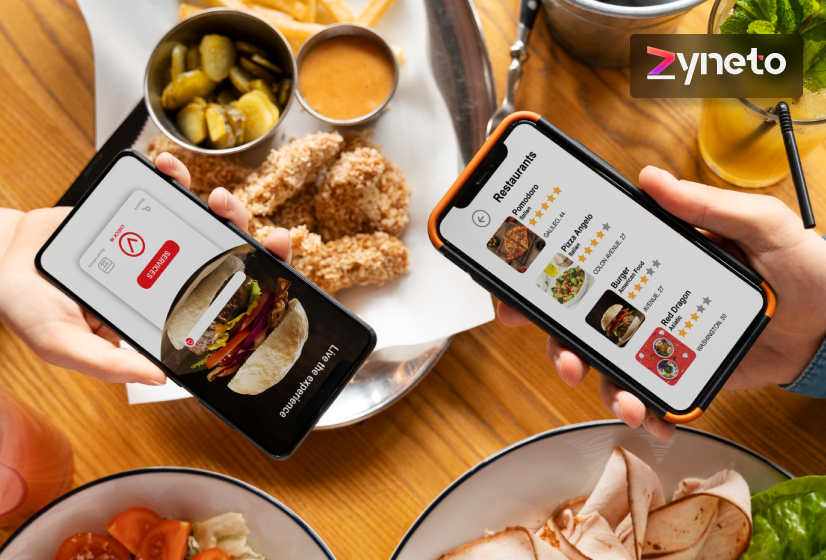
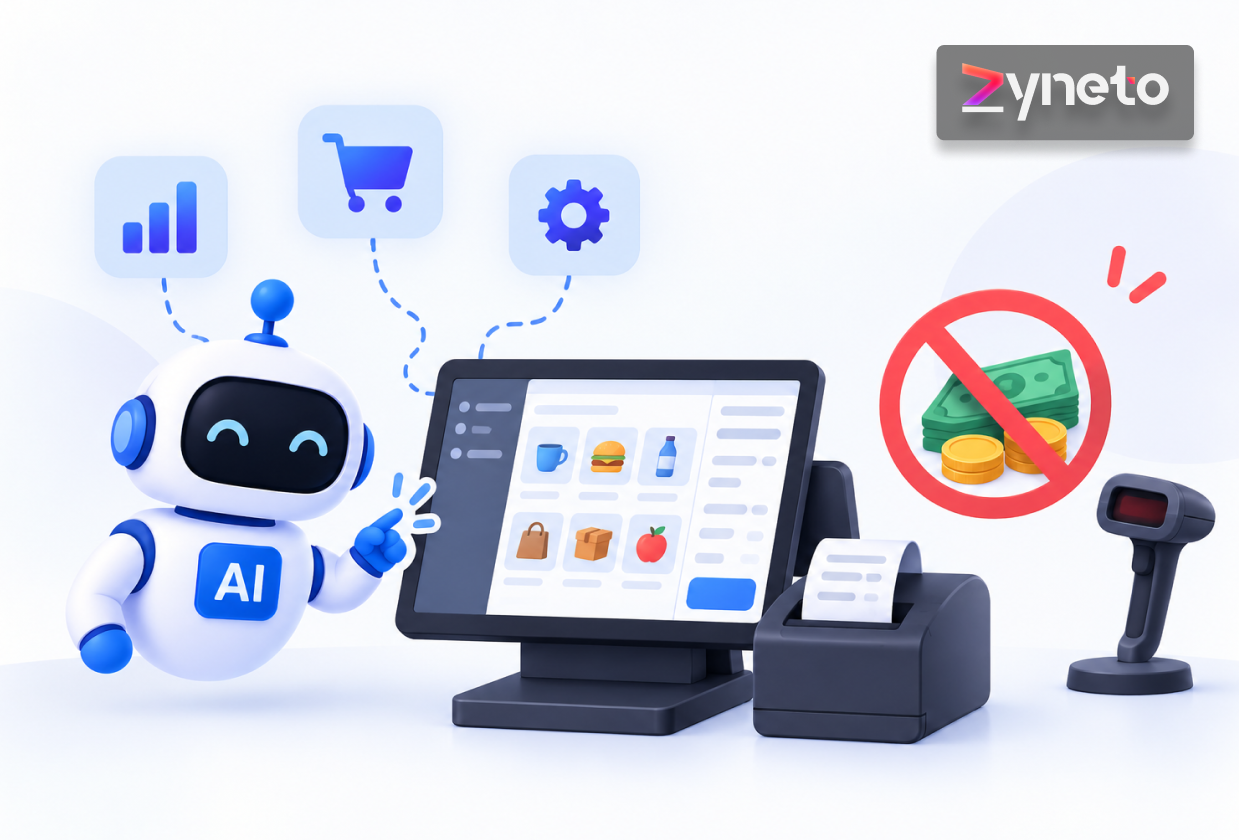
The restaurant industry is no longer just about great food: it's about great technology.
Today's customers expect to browse menus, place orders, book tables, and track deliveries all from the palm of their hand.
Restaurants that embrace mobile technology aren't just keeping up with the times; they're dominating their competition, building fierce customer loyalty, and unlocking revenue streams that traditional dining models simply can't match.
But before you dive headfirst into building your digital masterpiece, one critical question demands an honest answer: What's the restaurant app development cost? It's a question that sounds simple but carries layers of complexity beneath the surface.
The answer depends on your features, your platform, your design ambitions, and the development team you choose to trust with your vision.
In this guide, we'll break down every cost factor, expose the hidden expenses, and help you invest wisely because your app deserves to be built right.
Let's get straight to the point: if you're serious about building a restaurant app, you need real numbers, not vague estimates that leave you more confused than when you started.
The cost to develop a restaurant app in 2026 has evolved significantly compared to previous years, influenced by rising demand for AI-powered features, smarter UI expectations, and the growing complexity of food-tech ecosystems.
So what are we actually looking at in terms of numbers? Here's a straightforward breakdown:
|
App Type |
Features Included |
Estimated Cost |
Timeline |
|
Basic App |
Menu display, contact info, simple ordering |
$5,000 – $15,000 |
1 – 2 months |
|
Mid-Range App |
Online ordering, payment gateway, push notifications, loyalty program |
$20,000 – $50,000 |
3 – 5 months |
|
Advanced App |
AI recommendations, real-time tracking, multi-location, CRM integration |
$60,000 – $150,000+ |
6 – 12 months |
|
Enterprise-Level App |
Full delivery ecosystem, custom analytics, white-label solution |
$150,000 – $300,000+ |
12+ months |
Now, before those numbers send you into a panic or false confidence, context is everything. A basic app might look attractive on the budget side, but if your restaurant relies heavily on delivery orders, loyalty rewards, or managing multiple branches, skimping on features upfront will cost you far more in the long run through lost revenue and expensive redevelopment.
The cost to create a restaurant app in 2026 is also heavily shaped by where your development team is based. Hiring a development agency in North America or Western Europe typically runs between $100–$200 per hour, while equally talented teams in
South Asia or Eastern Europe often deliver the same quality at $25–$75 per hour. This geographic factor alone can mean the difference of tens of thousands of dollars on your final invoice.
It's also worth noting that 2026 has introduced new cost variables that didn't exist a few years ago; things like AI chatbot integration, voice ordering capabilities, and hyper-personalized recommendation engines are no longer "nice-to-haves" for competitive restaurants. They're fast becoming baseline expectations, and they do add to the development investment.
The smartest approach? Don't ask "how cheap can I build this?", ask "how much value can I build into every dollar I spend?" That mindset shift is what separates restaurant apps that thrive from ones that get deleted after the first use.
Not all restaurant apps are built the same, and neither are their price tags. When people ask about the cost to build a restaurant app, the honest answer is: it depends entirely on what kind of app you're building. Understanding the cost by app type is one of the most important steps in planning your investment wisely.
A food ordering app is the digital backbone of any modern restaurant, letting customers browse menus, customize orders, and pay seamlessly without a single phone call.
|
Complexity Level |
Key Features |
Estimated Cost |
|
Basic |
Digital menu, cart, basic checkout |
$8,000 – $20,000 |
|
Mid-Range |
User profiles, order history, promo codes, payment gateway |
$25,000 – $55,000 |
|
Advanced |
AI recommendations, scheduled orders, multi-restaurant support |
$60,000 – $120,000 |
A basic app covers essentials for small restaurants testing the digital space. Mid-range adds retention-driving features like order history and promo codes.
At the advanced level, AI-powered upselling and real-time inventory sync take the experience, and revenue potential to a whole new level. The cost to develop an online food business at this tier reflects not just code but strategic technology infrastructure built for long-term growth.
A table reservation app is your digital maitre 'd working 24/7 to fill seats, manage waitlists, and give guests confidence that their table will be ready when they arrive.
|
Complexity Level |
Key Features |
Estimated Cost |
|
Basic |
Table booking form, email confirmation, and availability calendar |
$6,000 – $18,000 |
|
Mid-Range |
Real-time availability, SMS reminders, guest preferences, waitlist management |
$20,000 – $45,000 |
|
Advanced |
CRM integration, AI seating optimization, event booking, VIP management |
$50,000 – $100,000+ |
Basic reservation apps eliminate phone-only bookings instantly. Mid-range solutions reduce no-shows with automated reminders and capture guest preferences for a more personalized experience.
At the advanced level, AI-driven seating optimization and CRM integration turn every reservation into a hospitality opportunity. The cost to build a restaurant app at this tier is an investment in guest satisfaction that pays back in loyalty and repeat visits.
Building a delivery app is significantly more complex than a simple ordering platform, because you're managing a live logistics network, not just a menu.
|
Complexity Level |
Key Features |
Estimated Cost |
|
Basic |
Order placement, static delivery zones, and manual dispatch |
$15,000 – $35,000 |
|
Mid-Range |
Real-time GPS tracking, automated dispatch, driver app, push notifications |
$40,000 – $90,000 |
|
Advanced |
AI route optimization, surge pricing, multi-vendor support, live analytics |
$100,000 – $250,000+ |
A food delivery app operates as three apps in one: customer interface, restaurant dashboard, and driver app, all communicating in real time. That's what makes it the most technically demanding category in food-tech.
The cost to make a restaurant app with full delivery capabilities reflects this complexity. For restaurants wanting to own their delivery experience and their customer data, this investment is strategically essential.
Customer acquisition is expensive. Customer retention is gold. A well-built loyalty app is one of the highest-ROI investments a restaurant brand can make.
|
Complexity Level |
Key Features |
Estimated Cost |
|
Basic |
Points system, digital stamp card, basic rewards redemption |
$8,000 – $20,000 |
|
Mid-Range |
Tiered rewards, birthday offers, push notifications, and spending analytics |
$22,000 – $50,000 |
|
Advanced |
AI-personalized offers, gamification, referral engine, and POS integration |
$55,000 – $120,000+ |
Basic loyalty apps digitize the paper stamp card experience. Mid-tier solutions introduce tiered memberships and behavioral analytics that create a real emotional connection with your brand.
Advanced apps use AI personalization and gamification to turn loyalty into an engaging, revenue-generating experience.
When factoring in the cost to develop an online food business competitively, a sophisticated loyalty app isn't an expense; it's a revenue engine.
Behind every seamless dining experience is a complex web of operations. A restaurant management app brings inventory, staffing, orders, and analytics under one intelligent roof.
|
Complexity Level |
Key Features |
Estimated Cost |
|
Basic |
Order management, inventory tracking, and daily sales reports |
$10,000 – $25,000 |
|
Mid-Range |
Staff scheduling, supplier management, multi-location dashboard, waste tracking |
$30,000 – $70,000 |
|
Advanced |
AI demand forecasting, ERP integration, automated reordering, and real-time KPIs |
$80,000 – $200,000+ |
Basic management apps eliminate manual errors and save hours of daily admin work. Mid-range solutions give growing restaurant groups unified visibility across multiple locations.
At the enterprise level, AI demand forecasting and ERP integration create a genuinely intelligent operations platform. The cost to build a restaurant app for management is an operational investment, and the returns come through reduced waste, lower costs, and smarter decision-making.
Here's the truth most developers won't tell you upfront: Two restaurants can want the "same app" and end up with quotes that are $80,000 apart. Why? Because how much it costs to build a restaurant app isn't determined by a single factor.
It's the sum of dozens of decisions, some obvious, some hidden, that stack up to your final number. Let's break down every factor that moves the needle.
Features are the single biggest cost driver in any app project, bar none. Every button, every filter, every real-time notification, and every AI-powered recommendation represents hours of design, development, and testing time. The more you want your app to do, the more it costs to build, and the longer it takes.
|
Feature Category |
Examples |
Cost Impact |
|
Core Features |
Menu display, cart, checkout |
Low |
|
Mid-Level Features |
User profiles, push notifications, loyalty points |
Medium |
|
Advanced Features |
AI recommendations, real-time tracking, multi-location |
High |
|
Premium Features |
Voice ordering, AR menus, predictive analytics |
Very High |
A simple rule of thumb: start with your must-haves, not your wish list. Every feature you add at the planning stage is significantly cheaper than adding it post-launch.
Smart restaurant owners prioritize a lean but powerful MVP first, then scale features based on real user data. This approach doesn't just control the cost to develop an online restaurant app; it produces a smarter, more focused product.
Never underestimate the power of great design. In the restaurant app world, your UI/UX is your first impression. And, in a market where users delete apps within seconds of a confusing experience, design isn't decoration. It's survival.
|
Design Level |
What It Includes |
Estimated Cost |
|
Basic UI |
Simple wireframes, standard components, minimal custom design |
$2,000 – $8,000 |
|
Mid-Range UI/UX |
Custom design system, polished visuals, user flow optimization |
$10,000 – $25,000 |
|
Premium UI/UX |
Brand-driven design, micro-animations, accessibility compliance, A/B tested layouts |
$30,000 – $60,000+ |
A beautifully designed app doesn't just look good; it converts better, retains users longer, and earns stronger reviews. When calculating how much it costs to create a restaurant app, many business owners focus purely on development and treat design as an afterthought. That's a costly mistake.
Great UX reduces customer support tickets, decreases cart abandonment, and directly increases order frequency. Design is not a cost, it's a multiplier.
Your platform decision is one of the most consequential and most budget-sensitive choices in the entire development process. Do you launch on iOS first? Android? Both simultaneously? Each path has different cost implications.
|
Platform Choice |
Approach |
Estimated Cost Multiplier |
|
iOS Only |
Native Swift development |
Base cost |
|
Android Only |
Native Kotlin development |
Base cost |
|
Both (Native) |
Two separate codebases |
1.8x – 2x base cost |
|
Both (Cross-Platform) |
React Native or Flutter |
1.3x – 1.5x base cost |
Building natively for both platforms delivers the best performance and user experience, but it essentially means building two apps.
Cross-platform frameworks like Flutter or React Native offer a smart middle ground, sharing a single codebase across both platforms while maintaining near-native performance.
For most restaurant startups, partnering with an experienced mobile app development company is the sweet spot. Cross-platform development significantly reduces the cost to develop an online restaurant app without meaningfully sacrificing quality.
Think of your technology stack as the foundation of your building. You can have the most beautiful exterior in the world, but if the foundation is wrong, everything eventually crumbles. Your tech stack world determines your app's speed, scalability, security, and long-term maintenance costs.
|
Stack Component |
Options |
Cost Impact |
|
Frontend |
React Native, Flutter, Swift, Kotlin |
Medium |
|
Backend |
Node.js, Python, Ruby on Rails |
Medium – High |
|
Database |
PostgreSQL, MongoDB, Firebase |
Low – Medium |
|
Cloud Hosting |
AWS, Google Cloud, Azure |
Ongoing Cost |
|
AI/ML Integration |
TensorFlow, custom models |
High |
Choosing the right stack isn't just about what's trendy; it's about what's right for your specific use case, your team's expertise, and your long-term roadmap. A poorly chosen stack can turn a $40,000 app into a $120,000 nightmare when scaling becomes necessary.
When assessing how much it costs to build a restaurant app, always factor in not just today's technology choices but tomorrow's maintenance reality.
No restaurant app is an island. No restaurant app is an island. Third-party integrations transform a basic app into a fully functional business tool, but each one adds development time, testing complexity, and ongoing licensing fees.
|
Integration Type |
Examples |
Estimated Cost |
|
Payment Gateways |
Stripe, PayPal, Razorpay |
$1,500 – $5,000 |
|
Maps & GPS |
Google Maps, Mapbox |
$1,000 – $3,000 |
|
POS Systems |
Square, Toast, Lightspeed |
$2,000 – $8,000 |
|
CRM & Marketing |
HubSpot, Mailchimp, CleverTap |
$1,500 – $5,000 |
|
Analytics |
Firebase, Mixpanel, Amplitude |
$1,000 – $4,000 |
Every integration on this list adds real, tangible value to your app, but they also add real cost. The key is being strategic. Integrate only what your business genuinely needs at launch, and build your architecture so that adding future integrations is straightforward.
A modular integration approach keeps your initial cost to develop an online restaurant app lean while preserving flexibility for growth.
In 2026, security isn't optional; it's foundational. Your restaurant app handles sensitive customer data: names, addresses, payment details, and order history.
A single data breach doesn't just cost money; it destroys the trust you've spent years building.
|
Security Component |
What It Covers |
Estimated Cost |
|
SSL & Data Encryption |
Secure data transmission |
$500 – $2,000 |
|
PCI-DSS Compliance |
Payment card data security standards |
$2,000 – $8,000 |
|
GDPR/Data Privacy |
User data handling and consent management |
$1,500 – $5,000 |
|
Penetration Testing |
Identifying vulnerabilities before launch |
$3,000 – $10,000 |
|
Two-Factor Authentication |
Enhanced login security |
$1,000 – $3,000 |
Compliance requirements vary by region, GDPR for European users, CCPA for California, and PCI-DSS for anyone handling card payments globally. Cutting corners on security to save money upfront is one of the most dangerous decisions a restaurant app owner can make.
When calculating how much it costs to create a restaurant app, always budget for security as a non-negotiable line item, not an optional add-on.
Building a food ordering or restaurant management app doesn't have to burn a hole in your pocket. With the right strategy, you can significantly cut down the overall cost to create a restaurant app while still delivering a seamless, feature-rich experience to your users. It's all about working smarter, not spending more.
The smartest way to control the cost to create a restaurant app is to start small and grow fast. Launch with only the core features menu display, online ordering, and table reservations then use real user feedback to decide what to build next. This approach saves you from spending thousands on features nobody actually uses.
Why pay for two apps when one codebase can do the job? Frameworks like Flutter and React Native let you build for both iOS and Android simultaneously, cutting your restaurant app development cost by up to 40%. You get a native-like experience on all platforms without the native-sized price tag.
There's no need to build everything from scratch. Third-party APIs for payments (Stripe, Razorpay), GPS tracking, and push notifications are battle-tested, fast to integrate, and far cheaper than custom development. These plug-and-play solutions can shave weeks off your timeline.
One of the most effective ways to reduce the cost to develop a restaurant app is to partner with a skilled offshore or specialized agency. You get experienced developers, faster turnaround, and significant cost savings compared to building an in-house team, without compromising on the quality of the final product.
Every feature you add to the scope adds to the bill. Be ruthless about prioritization focus on high-impact features like loyalty programs, delivery tracking, and push notifications. Defer the "nice-to-haves" for version 2. Your wallet and your launch timeline will thank you.
Scope creep is the silent budget killer. Before writing a single line of code, invest time in detailed wireframes, user flows, and a solid technical specification. A clear blueprint eliminates back-and-forth, reduces revision cycles, and keeps the cost to build a restaurant app firmly under control from day one.
So, this is how to reduce the cost of restaurant app development. Now, let’s get to know about Zyneto helps you with pricing.
What if building your dream restaurant app didn't mean draining your entire budget? That's exactly the problem Zyneto solves.
As a results-driven restaurant app development company, Zyneto combines cutting-edge technology with cost-smart development strategies to deliver apps that perform without the premium price tag. From MVP planning and cross-platform builds to seamless third-party integrations, every step is designed to maximize value and minimize waste.
The team doesn't just write code; they understand the restaurant business, your customers, and what features actually drive orders, loyalty, and revenue.
Whether you're a cloud kitchen, a fine-dining chain, or a food startup with a big idea, Zyneto turns your vision into a fully functional, budget-friendly app that's built to grow with you.
Launching a restaurant app in 2026 is no longer a luxury; it's a competitive necessity. But smart investment, not blind spending, is what separates thriving digital restaurants from costly failures.
Whether you're launching a simple food ordering platform or a full-scale delivery ecosystem, understanding every layer of the restaurant app development cost puts you in the driver's seat. From choosing the right app type and tech stack to prioritizing revenue-driving features and partnering with the right team, every decision shapes your final number.
The goal was never to build the cheapest app. It was always to build the right one, at the right price, with the right partner. That's exactly what Zyneto delivers: technology that works as hard as your restaurant does.
Your next customer is already on their phone. Make sure your app is ready for them.
The overall cost to create a restaurant app typically ranges from $5,000 for a basic app to $300,000+ for an enterprise-level platform. The final number depends on your features, platform choice, design complexity, and the development team you partner with.
Development timelines vary based on complexity. A basic app takes 1–2 months, a mid-range app takes 3–5 months, and advanced or enterprise-level apps can take anywhere from 6 to 12+ months to build and launch successfully.
Both platforms carry a similar base cost when built natively. However, using cross-platform frameworks like Flutter or React Native to build for both iOS and Android simultaneously is the most cost-efficient approach, reducing the overall cost to build a restaurant app by up to 40%.
Starting with an MVP, choosing cross-platform development, using third-party APIs, and partnering with a specialized offshore restaurant app development company like Zyneto are the most proven strategies to maximize quality while keeping costs firmly under control.
Yes. Zyneto works with businesses of all sizes, from food startups to established restaurant chains, offering flexible, transparent pricing tailored to your specific goals, features, and budget. Every project begins with a clear cost breakdown so there are no surprises.

Vikas has around fifteen years of experience building software and now builds generative AI systems at Zyneto. His work covers retrieval augmented generation, agentic AI, knowledge graphs, AI memory, and the evaluation and guardrails that decide whether any of it is safe to put in front of customers. He has shipped enterprise copilots, document AI, chatbots and predictive analytics for e-commerce, fintech and marketing teams, and works day to day in Python, JavaScript and SQL. He follows multimodal models, business process automation and enterprise AI security closely, and mentors engineers moving into AI. He writes about architecture, inference cost and the failure modes that only show up at production scale.
Share your details and we will talk soon.
Be the first to access expert strategies, actionable tips, and the trends actually shaping the digital world. No fluff - just practical insights delivered straight to your inbox.
Dive into our blog and stay ahead of the curve with expert perspectives, future-ready trends, and tech tips written for decision-makers and doers alike.