How to Develop an App Like Bumble: Complete Guide for 2026


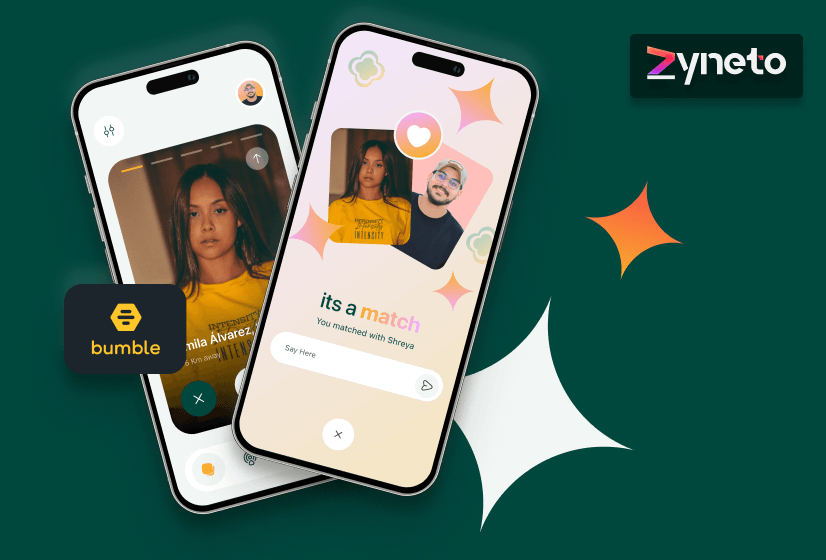
Millions of people use dating apps every day, but few realize the technology that powers every match and conversation.
Dating apps aren't just about matching faces anymore; they're billion-dollar ecosystems built on AI, trust, and smart engineering.
If you've ever thought about building the next big thing in online dating, you're not alone.
Founders, startups, and even established companies are racing to create an app like Bumble, hoping to grab a slice of this booming market.
But here's the thing building a dating app isn't just about swipes and matches.
It's about trust, safety, smart tech, and a business model that actually works.
So let's break it all down, step by step, and show you exactly how to develop an app like Bumble in 2026.
Dating apps have quietly become one of the most profitable app categories out there.
People aren't just looking for dates anymore they want friends, business connections, and communities, all from their phone.
That's exactly why so many founders now want to create an app like Bumble instead of building yet another generic swipe app.
If you're planning to create a dating app, Bumble offers a strong blueprint to learn from.
Bumble didn't just enter the dating space; it flipped the script entirely.
Instead of copying Tinder's swipe-and-wait model, it built something with a purpose, and that's why people still talk about it years later.
Before you build an app like Bumble, you need to understand exactly how the user experience flows from start to finish.
It's not just swipe, match, and chat; a lot is happening behind the scenes to keep things smooth and smart.
Understanding this flow is essential groundwork before you actually make an app like Bumble that people will want to keep using.
If you're serious about Bumble-like app development, features are where the real planning begins.
You can't skip the basics, and you definitely can't ignore safety; that's what separates a real product from a hobby project.
|
Category |
Features |
|
User Features |
Registration & profile creation, AI-powered profile suggestions, Swipe & match, Chat & voice notes, Video calling, Push notifications, Location-based discovery, Premium subscriptions |
|
Safety Features |
Photo verification, Identity verification, Report & block, Private mode, AI content moderation |
|
Admin Panel |
User management, Match analytics, Subscription management, Reports & moderation, Revenue dashboard |
Each of these plays a role in keeping users engaged, safe, and willing to pay for premium upgrades down the line.
Basic swipe-and-match won't cut it anymore in 2026 users expect more, and competitors are moving fast.
This is where Bumble clone app development gets exciting, because advanced features are what actually set you apart from the crowd.
Wondering how to develop a dating app Bumble style, from idea to launch?
Here's the honest roadmap, minus the fluff, broken into clear, manageable stages you can actually follow.
A lot of founders jump straight into design or development, and that's usually where things start to go wrong.
If you want to build an app like Bumble that actually survives past launch day, you need a process, not just enthusiasm.
Let's walk through it properly.
Before you write a single line of code, spend real time studying your competitors Bumble, Hinge, Tinder, and any niche players in your target space.
Look at their reviews, their complaints, and what users keep asking for that nobody's delivering yet.
This is also where you figure out if there's genuine room in the market, or if you're about to build something the world already has enough of.
Good market research is the difference between guessing and knowing, and it should shape every decision you make from here on out.
Once you understand the landscape, decide exactly who you're building for.
General dating apps are brutally competitive, so carving out a niche, whether that's a specific community, age group, religion, lifestyle, or even professional networking like Bumble's Bizz mode, gives you a real fighting chance.
Trying to serve everyone usually means serving no one particularly well, and niche apps consistently show stronger retention because users feel like the product actually gets them.
This decision will influence your features, your marketing, and even your monetization strategy later on.
Now comes the part users will actually judge you on first, how the app looks and feels.
Create wireframes and clickable prototypes that feel intuitive, clean, and genuinely fun to use, since dating apps live or die by how smooth the swiping and chatting experience actually feels.
Test your designs with real people before development even begins, because fixing a confusing flow on paper is a lot cheaper than fixing it in code.
Every screen, from onboarding to the match screen, should feel effortless.
This is where things get real; you start building.
Launch with core features only, things like profile creation, swiping, matching, and basic chat, so you can test your idea in the real world before investing in anything more advanced.
An MVP isn't about cutting corners; it's about validating your idea with the least amount of risk and budget possible.
Once you see how real users respond, you'll know exactly which advanced features are actually worth building next.
Instead of building everything from scratch, plug in reliable third-party tools for location tracking, payments, video calls, and identity verification.
This single decision can shave months off your timeline while giving users a more polished, dependable experience from day one.
Most successful teams that make an app like Bumble rely heavily on trusted APIs rather than reinventing infrastructure that's already been perfected by others.
Before you even think about launching, run thorough QA across different devices, screen sizes, and operating systems.
Check for bugs, crashes, and slow load times, and get real users to test the entire flow, from signup to their first match.
Early mistakes caught here are far cheaper and far less damaging to your reputation than the ones users discover after launch.
This is the moment everything's been building toward.
Roll your app out on the App Store and Google Play with a solid marketing push behind it, including influencer partnerships, social media buzz, and referral incentives that reward early users for bringing friends along.
Your first thousand active users matter enormously, since they set the tone, the reviews, and the early momentum your app needs to grow.
Launch day isn't the finish line; it's actually just the beginning.
Track user behavior closely, gather feedback through surveys and reviews, and ship updates regularly based on what people actually want.
A dating app that stops evolving quickly starts losing users to competitors who are constantly improving, so treat this as an ongoing commitment, not a one-time project.
This is exactly how apps go from a decent MVP to a genuinely successful platform people keep coming back to.
Picking the right technology isn't just a developer's problem it directly affects speed, cost, and how well your app scales later on.
|
Layer |
Recommended Technologies |
|
Frontend |
React Native, Flutter, Swift (iOS), Kotlin (Android) |
|
Backend |
Node.js, Python (Django), Ruby on Rails |
|
Database |
PostgreSQL, MongoDB, Redis (for caching) |
|
Cloud Infrastructure |
AWS, Google Cloud, Microsoft Azure |
|
AI & Machine Learning |
TensorFlow, PyTorch, OpenAI APIs |
|
Real-Time Chat |
Socket.IO, Firebase, Twilio |
|
Payment Gateway |
Stripe, PayPal, Razorpay |
|
Maps & Location Services |
Google Maps API, Mapbox |
A well-chosen stack today saves you months of rework and thousands in unnecessary costs later.
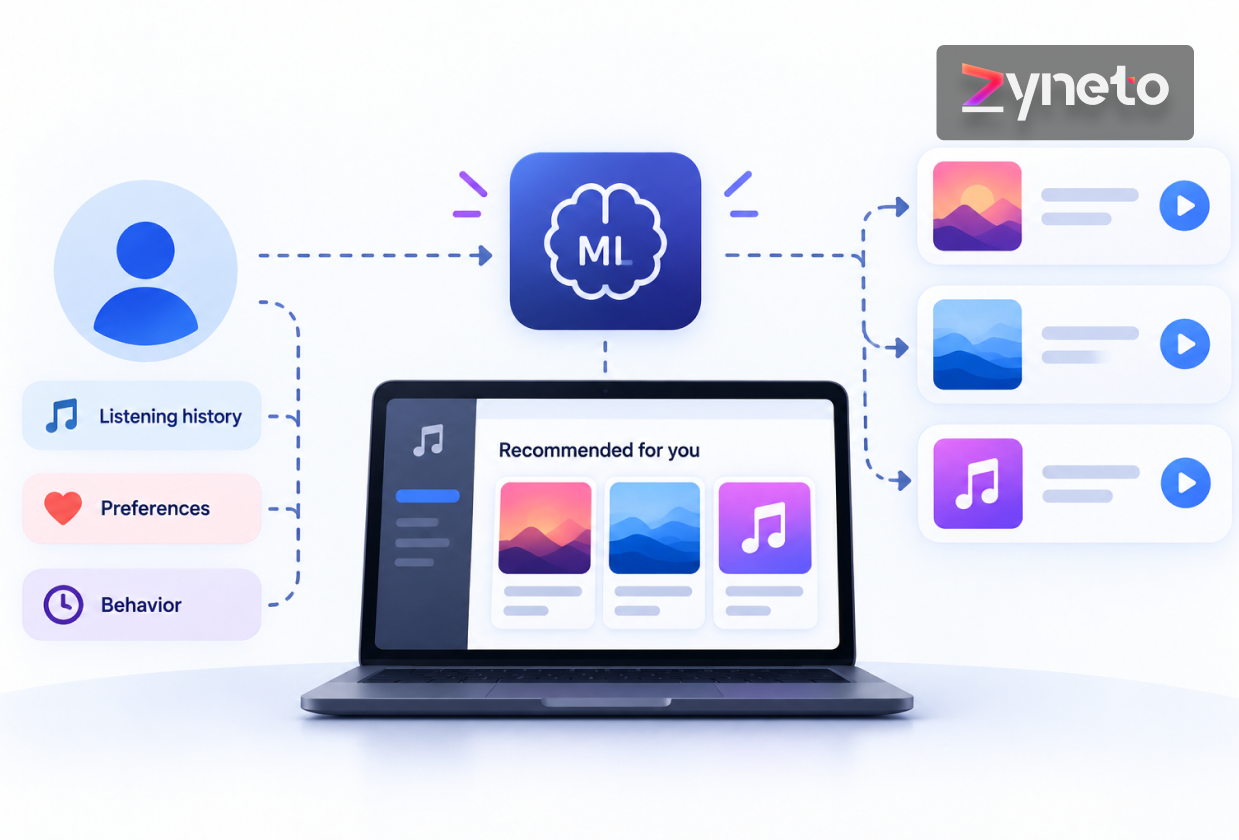
AI isn't a buzzword anymore in this space; it's the backbone of modern Bumble-like app development.
From smarter matches to safer platforms, here's exactly where AI is making the biggest difference right now.
If you're planning to build an app like Bumble, investing in AI early isn't optional anymore it's expected.
Alright, let's get real this is the question everyone actually wants answered.
The truth is, cost depends heavily on features, platforms, design complexity, and where your development team is based.
|
App Complexity |
Features Included |
Estimated Cost |
|
Basic MVP |
Profiles, swipe & match, basic chat |
$25,000 – $45,000 |
|
Mid-Level App |
AI matching, video calls, verification, premium plans |
$45,000 – $80,000 |
|
Advanced App |
Full AI suite, multiple modes, event discovery, communities |
$80,000 – $150,000+ |
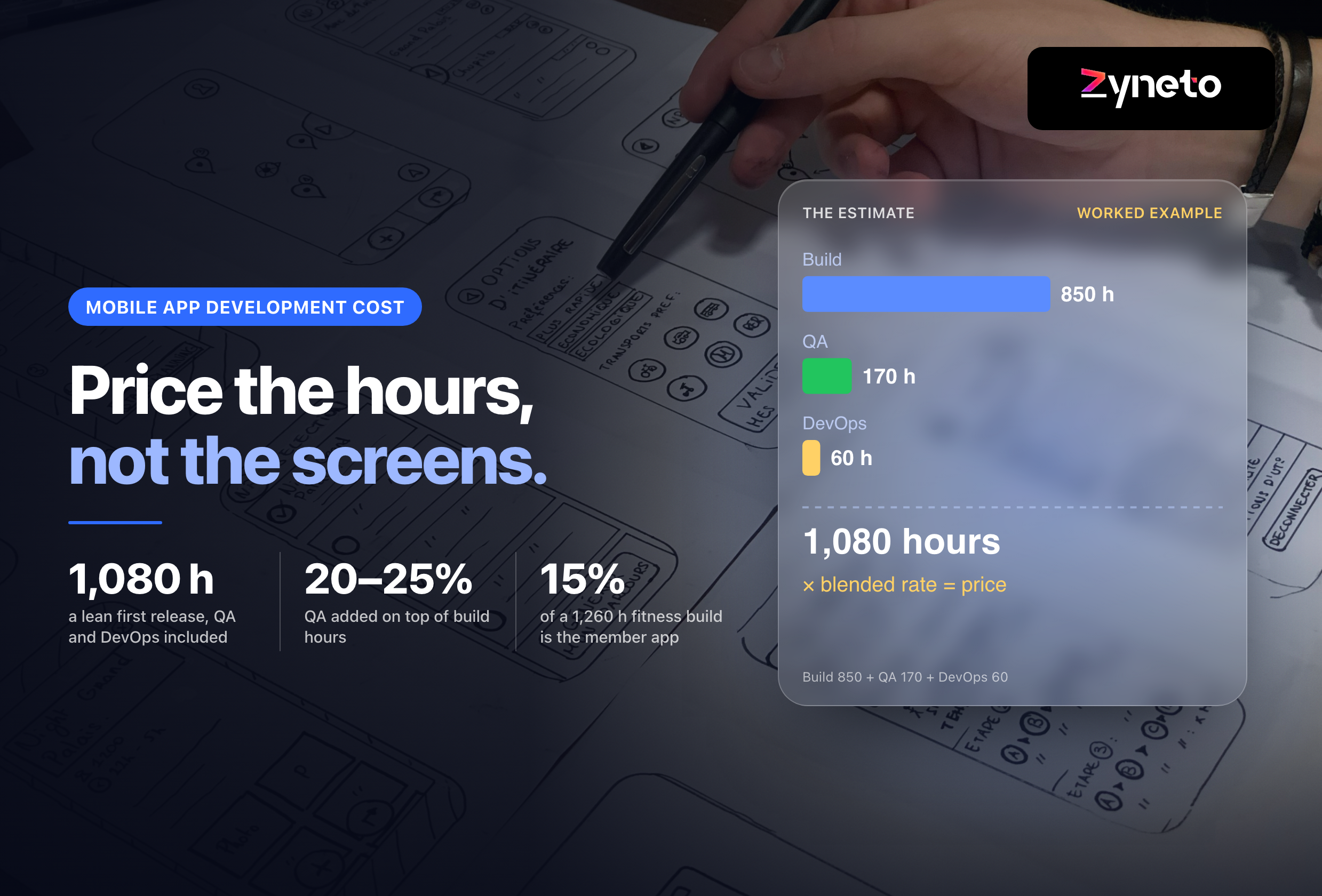
Keep in mind, this is just an estimate of the dating app development cost; marketing, server infrastructure, and ongoing maintenance are separate line items you'll need to budget for too.
The good news is you don't have to build everything on day one.
Starting lean with an MVP and scaling based on real user feedback is almost always the smarter, more budget-friendly move.
Let's talk numbers, because understanding dating app monetization model options is just as important as the tech itself.
You can't build a dating app like Bumble without a clear plan for turning users into revenue.
If you're planning to create a dating app like Bumble, mixing two or three of these models usually works better than relying on just one.
Nobody said this would be easy, but knowing the roadblocks ahead of time makes them a lot less scary.
Here's what most founders run into when they try to build an app like Bumble, and how to actually deal with it.
Solving these early, rather than reacting to them later, is what separates apps that survive from apps that quietly disappear.
Building the app is one thing; building a successful one that people actually love is a completely different challenge.
Here are a few tips that genuinely move the needle.
You could try building this solo or with a small freelance team, but honestly, dating apps are complex enough that it rarely pays off.
Working with an experienced partner changes the entire trajectory of your project.
This is exactly where a company like Zyneto, your dating app development company, comes in.
With hands-on experience in dating app development, AI integration, and scalable app architecture, Zynto helps founders go from idea to a fully functional, market-ready product without the usual guesswork.
If you're serious about turning your idea into the next big dating app, partnering with a team that's done it before makes all the difference.
Building an app like Bumble in 2026 isn't just about swipes anymore; it's about trust, smart AI, and real human connection.
The market is crowded, but there's still room for founders who focus on a clear niche, prioritize safety, and use technology thoughtfully instead of just chasing trends.
From choosing the right tech stack to picking a monetization model that actually works, every decision matters.
If you're ready to turn your idea into a real, scalable product, partnering with an experienced team like Zynto can help you move faster and avoid costly mistakes.
The opportunity is here; now's the time to build.
On average, a basic MVP takes around 3 to 4 months, while a full-featured app with AI and advanced functionality can take 6 to 9 months or more.
Costs typically range from $25,000 for a basic MVP to $150,000+ for a fully loaded app with advanced AI, multiple modes, and premium features.
Most dating apps use React Native or Flutter for the frontend, Node.js or Python for the backend, and cloud platforms like AWS for infrastructure and scaling.
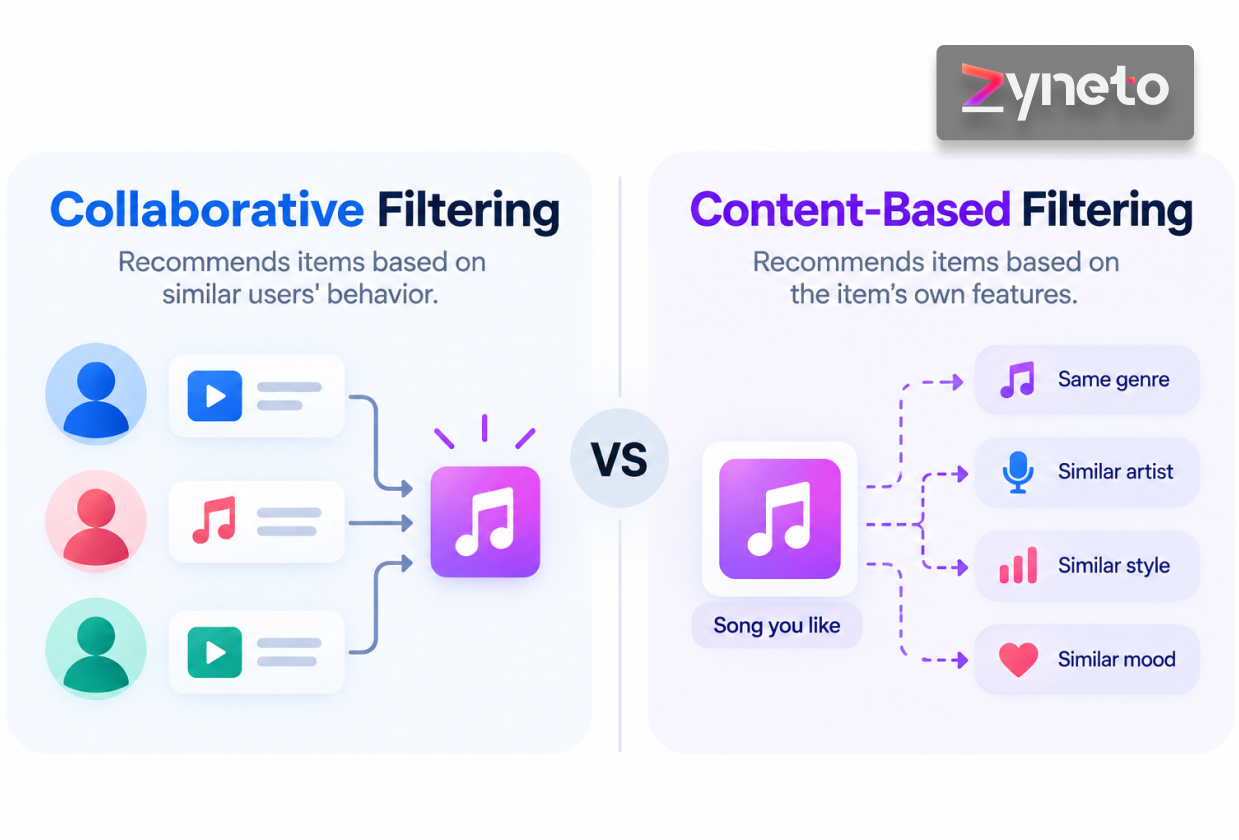
Yes, absolutely. AI analyzes user behavior, preferences, and interactions to suggest more relevant matches, making the overall experience feel smarter and more personal.
Cross-platform frameworks like Flutter or React Native are great for MVPs and faster launches, while native development offers better performance for apps planning heavy long-term investment.
Through photo and identity verification, AI-powered content moderation, easy reporting tools, and dedicated safety teams that review flagged accounts and content.
Most successful apps combine freemium access with premium subscriptions and in-app purchases like boosts, giving users multiple ways to engage and pay based on their needs.

Vikas has around fifteen years of experience building software and now builds generative AI systems at Zyneto. His work covers retrieval augmented generation, agentic AI, knowledge graphs, AI memory, and the evaluation and guardrails that decide whether any of it is safe to put in front of customers. He has shipped enterprise copilots, document AI, chatbots and predictive analytics for e-commerce, fintech and marketing teams, and works day to day in Python, JavaScript and SQL. He follows multimodal models, business process automation and enterprise AI security closely, and mentors engineers moving into AI. He writes about architecture, inference cost and the failure modes that only show up at production scale.
Share your details and we will talk soon.
Be the first to access expert strategies, actionable tips, and the trends actually shaping the digital world. No fluff - just practical insights delivered straight to your inbox.
Dive into our blog and stay ahead of the curve with expert perspectives, future-ready trends, and tech tips written for decision-makers and doers alike.