Dating App Trends 2026 What's Reshaping The Industry


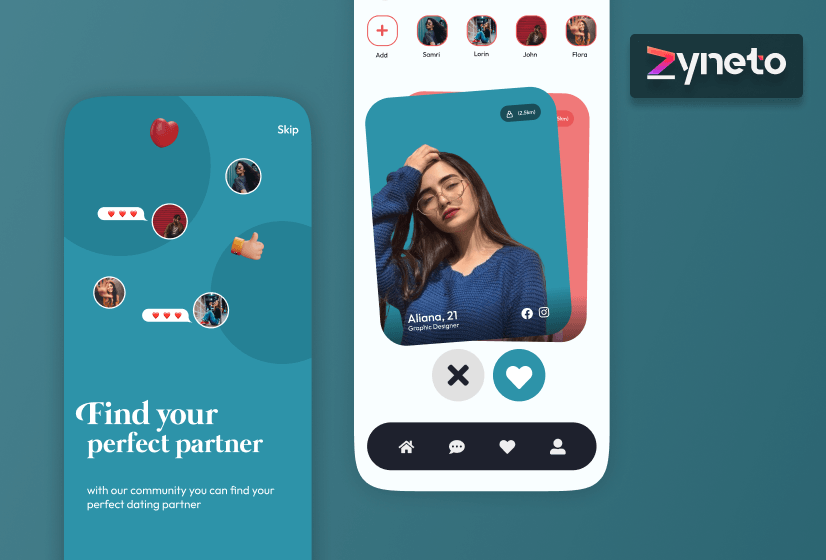
The world of online dating is shifting faster than ever. As we move through 2026, the swipe-and-match formula that once defined apps like Tinder is giving way to smarter, slower, and more intentional ways of connecting.
Just over a decade ago, Tinder introduced the right-swipe-to-like, left-swipe-to-pass mechanic that completely transformed how millions of people meet.
The model was wildly addictive and undeniably effective, but in 2026, daters are demanding something different. They want meaningful connections, stronger safety, less burnout, and tools that actually help them find love rather than keep them swiping forever.
In this comprehensive guide, we break down the top dating app trends 2026, backed by current data and expert insight, so you know exactly what's changing, why it matters, and how to use these shifts to date smarter this year.
The dating app market remains massive, but its momentum is changing in important ways.
Check out some dating app stats we are sharing below before you create a dating app
So, these are some strong depictions of how the market is growing. But to leverage the market in the best possible way, you need to know about the top dating app development trends.
Online dating is no longer just about swiping left or right. Users now expect smarter matches, authentic interactions, and experiences tailored to their preferences.
Here are some dating app trends 2026 reshaping the way people connect, making dating apps more engaging and technology-driven than ever before
AI is no longer just a buzzword in dating apps it's doing the actual work. From analyzing your behavior patterns to suggesting better matches, AI is making the whole process smarter. It can even help users write better bios or choose profile photos that actually get responses.
► Why it's becoming popular in 2026
People are tired of swiping through hundreds of profiles and getting nowhere. AI cuts through the noise by learning what you actually want not just what you say you want. That's a big deal.
► Benefits for users and app owners
For users, it means more relevant matches and less wasted time. For app owners, it drives higher engagement, longer session times, and better retention. It's one of the most impactful dating app development trends right now.
► Example apps using it
Hinge uses AI to learn from your likes and dislikes. Tinder's Smart Photos feature uses machine learning to optimize your first impression.
Video content is becoming a core feature in modern dating apps. Instead of relying only on photos and text, users can showcase their personalities through short videos, video prompts, and profile clips.
► Why it's becoming popular in 2026
Videos create stronger first impressions. They help users evaluate compatibility faster. People trust authentic video content more than static profiles.
► Benefits for users and app owners
Users gain better insight into potential matches before starting conversations. App owners benefit from higher engagement rates, longer session durations, and improved user retention. This makes video integration one of the fastest-growing trends in dating app development.
► Examples of Apps
Bumble encourages users to connect through shared interests and communities. Meetup-inspired social dating platforms are also integrating group activities and interest-based events to foster meaningful connections.
Dating apps are evolving beyond simple matchmaking platforms. Many apps now focus on building communities where users connect through shared interests, hobbies, lifestyles, and activities. Whether it's fitness, travel, gaming, music, or professional networking, these communities help users discover more meaningful relationships based on common passions rather than appearance alone.
► Why it's becoming popular in 2026
People are looking for deeper connections.Shared interests make conversations more natural. Communities create stronger engagement and belonging.
► Benefits for users and app owners
Users can meet people who genuinely share their interests, making interactions more authentic and enjoyable. For app owners, these features increase user engagement, improve retention rates, and encourage users to spend more time on the platform.
► Examples of apps using it
Kippo connects users through gaming communities and shared interests, making it easier to start conversations around common hobbies.
Audio features are becoming an essential part of modern dating applications. Instead of relying entirely on text messages, users can exchange voice notes, create audio introductions, and participate in voice-based interactions. These features allow users to express personality, emotion, and communication style much more effectively than traditional messaging.
► Why it's becoming popular in 2026
Voice interactions feel more personal. Users can evaluate compatibility faster. Audio creates stronger emotional connections.
► Benefits for users and app owners
Users gain a better understanding of potential matches before investing time in lengthy conversations or in-person meetings. For app owners, audio communication increases engagement, encourages frequent interactions, and helps differentiate the platform from competitors.
► Examples of apps using it
Hinge offers voice prompts that allow users to showcase personality beyond text. Bumble also supports audio and video communication features that help users build stronger connections before meeting.
Modern users expect dating apps to understand their preferences and provide experiences tailored specifically to them. Personalization now goes far beyond matchmaking and includes content recommendations, notification timing, profile suggestions, communication prompts, and user journeys customized according to behavior and interests.
► Why it's becoming popular in 2026
Users expect personalized experiences everywhere. Generic recommendations reduce engagement. Tailored experiences improve satisfaction.
► Benefits for users and app owners
Users receive recommendations that align closely with their interests, dating goals, and behavior patterns, making the app feel more relevant and useful. For app owners, advanced personalization leads to higher retention rates, increased engagement, stronger customer loyalty, and improved conversion rates. It remains one of the most impactful development trends while creating a dating app.
► Examples of apps using it
Tinder uses machine learning to improve match recommendations based on user behavior. Hinge also personalizes suggestions by learning from likes, dislikes, and engagement patterns.
User safety continues to be a top priority for dating platforms. Developers are implementing advanced moderation systems that can detect suspicious behavior, inappropriate content, harassment, and scams before they affect other users. These tools help create a secure and trustworthy environment where people feel comfortable interacting.
► Why it's becoming popular in 2026
Safety concerns continue to rise. Users demand stronger protection measures. Trust plays a major role in app success.
► Benefits for users and app owners
Users benefit from a safer and more enjoyable dating experience with fewer fake profiles and harmful interactions. For app owners, enhanced safety features reduce abuse reports, improve platform reputation, strengthen user trust, and contribute to long-term growth.
► Examples of apps using it
Tinder offers photo verification and safety features to enhance trust. Match Group platforms have also introduced reporting tools, emergency assistance features, and AI-driven moderation systems.
Location-based technology continues to play an important role in helping users discover meaningful connections nearby. Modern dating apps are using advanced geolocation tools to provide more accurate recommendations based on distance, travel patterns, local events, and user preferences while maintaining privacy.
► Why it's becoming popular in 2026
Users prefer nearby connections. Real-world meetings become easier. Location improves match relevance.
► Benefits for users and app owners
Smart location technology also helps users find events and communities that align with their interests. For app owners, location-based matching improves engagement, increases match success rates, and enhances the overall user experience. It remains one of the most valuable dating app development trends for platforms targeting active and engaged communities.
► Examples of apps using it
Tinder and Bumble both use location-based matching to connect nearby users. Happn takes this concept further by showing people users have crossed paths with in real life.
Instead of trying to appeal to everyone, niche dating apps go deep on a specific community whether that's farmers, pet lovers, people with specific dietary lifestyles, faith communities, or neurodivergent individuals.
► Why it's becoming popular in 2026
Generic apps feel overwhelming. When you're in a niche community, you already share a foundational value or lifestyle with the other person, which makes compatibility feel more natural from the start.
► Benefits for users and app owners
Users feel seen and understood. For app owners, niche platforms can build fiercely loyal user bases and are one of the most underrated dating app development trends in terms of business potential.
► Example apps using it
Farmers Only, JDate, HER (for LGBTQ+ women), and Tastebuds (music-based matching) are all proof that niche works.
Dating apps are borrowing mechanics from games think daily challenges, reward streaks, icebreaker games, compatibility quizzes, and points systems that make the experience more fun and less transactional.
► Why it's becoming popular in 2026
Let's be honest swiping gets boring fast. Gamification adds a layer of fun and keeps people coming back. It also takes the pressure off by turning awkward small talk into structured interactions.
► Benefits for users and app owners
Users enjoy the experience more and naturally spend more time in the app. For owners, it's one of the top trends in dating app development because it directly boosts retention and daily active users.
► Example apps using it
Hinge's "We Met" feature and Bumble's question game prompts are early versions of this. Newer apps are going much deeper into full gamified experiences.
Modern dating apps are expanding gender options, sexual orientation filters, accessibility features, and cultural considerations to make sure every type of person feels welcome — not just the demographic that was assumed at launch.
► Why it's becoming popular in 2026
The dating pool is diverse, and apps that ignore that are leaving a huge number of users underserved. Inclusion is no longer optional it's expected.
► Benefits for users and app owners
Users who feel represented are more loyal and more likely to recommend the app. For owners, inclusive design is also one of the smartest business moves you can make when thinking about top trends. While creating a dating app, it literally expands your addressable market.
► Example apps using it
OkCupid has long offered expanded gender and orientation options. Lex is built specifically around queer and non-binary communities. Most major apps are now updating their onboarding flows to be more inclusive.
Staying ahead of these online dating trends isn't just about knowing what's popular; it's about making smarter business decisions and staying ahead of your competition.
Here's how to put the dating app trends 2026 to work for you
Integrating the latest dating app trends is not just about adding new features it's about creating experiences that users genuinely value.
At Zyneto, we don't just build apps, we build dating experiences that people actually want to use.
Our custom dating app development services are designed to help you move fast without cutting corners.
We combine technical expertise with strategic product thinking to help you build modern dating apps featuring AI-powered matching, robust safety tools, and engaging user experiences.
We work closely with you from concept to launch, ensuring every feature aligns with your audience and business goals. Our team understands what today's users expect and how to deliver it in a way that keeps them coming back.
With Zyneto, you're not just keeping up with trends. You're building ahead of them.
The dating app industry in 2026 is evolving far beyond simple swiping. From AI-powered matchmaking and enhanced safety features to activity-based dating and niche communities, today's users expect more personalized, meaningful, and secure experiences.
As user preferences continue to shift, businesses that embrace these dating app trends will be better positioned to attract and retain modern daters.
Whether you're planning to launch a new platform or upgrade an existing one, understanding these trends can help you build a dating app that stands out in a competitive market.
The future belongs to platforms that combine innovation, authenticity, and user-centric experiences to create lasting connections.
The biggest dating app trend 2026 is AI matchmaking. Platforms are using artificial intelligence to improve profiles, edit photos, suggest messages, and match users more accurately though user trust in AI-generated content remains a real challenge
Yes, but experts recommend not relying on dating apps alone. The smartest daters combine online dating with offline dating events and activity-based meetups. Used as one tool among several, dating apps remain effective for finding meaningful connections.
Tinder still leads in revenue, while Hinge and Bumble remain hugely popular, especially among users seeking relationships. Meanwhile, activity-based dating apps and niche platforms are the fastest-growing category, particularly among Gen Z daters.
Dating app burnout stems from repetitive swiping, ghosting, low match quality, and rising subscription costs. A 2024 survey found 78% of users have felt it. The trend toward slow dating and offline dating is partly a direct response to this exhaustion.
Safety is improving thanks to verification-first platforms, identity checks, and AI fraud detection, but risks like romance scams and harassment remain. Prioritizing dating app safety, verifying profiles and watching for red flags is essential.

Vikas has around fifteen years of experience building software and now builds generative AI systems at Zyneto. His work covers retrieval augmented generation, agentic AI, knowledge graphs, AI memory, and the evaluation and guardrails that decide whether any of it is safe to put in front of customers. He has shipped enterprise copilots, document AI, chatbots and predictive analytics for e-commerce, fintech and marketing teams, and works day to day in Python, JavaScript and SQL. He follows multimodal models, business process automation and enterprise AI security closely, and mentors engineers moving into AI. He writes about architecture, inference cost and the failure modes that only show up at production scale.
Share your details and we will talk soon.
Be the first to access expert strategies, actionable tips, and the trends actually shaping the digital world. No fluff - just practical insights delivered straight to your inbox.
Dive into our blog and stay ahead of the curve with expert perspectives, future-ready trends, and tech tips written for decision-makers and doers alike.