How to Develop an App like ESPN?


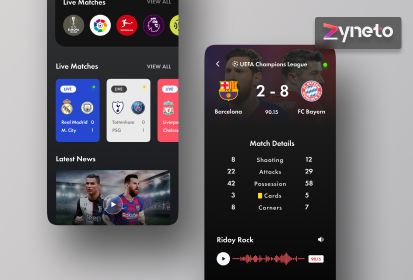
The digital sports landscape has witnessed a massive shift toward interactive and real-time experiences, making sports applications more than just utility tools they are now comprehensive entertainment hubs.
To capture a significant market share, understanding how to create an app like ESPN requires a deep dive into high-performance architecture and user-centric features.
Success in this niche involves integrating live score updates, expert editorial content, and immersive multimedia streaming within a single, cohesive interface.
Beyond basic information delivery, the modern user expects personalized news feeds powered by AI and robust social community features that allow fans to interact globally.
By prioritizing low-latency data feeds and a scalable backend, developers can build a platform that thrives during peak traffic events like the Super Bowl or the World Cup, ultimately delivering a world-class experience that rivals the industry leaders.
ESPN has solidified its position as the "Worldwide Leader in Sports" by evolving from a traditional cable network into a comprehensive digital ecosystem.
In 2026, the ESPN app serves as a high-tech hub that integrates live streaming, real-time scoring, and advanced personalization.
With the recent launch of its direct-to-consumer "Unlimited" tier, the app now provides standalone access to flagship linear channels like ESPN and ESPN2 without requiring a cable subscription.
Key innovations include "SportsCenter For You," which uses AI to narrate personalized highlight reels, and a TikTok-inspired "Verts" feed for short-form content.
Furthermore, the platform features "StreamCenter," a synchronized two-screen experience that links mobile stats with live TV broadcasts.
For businesses looking to develop an app like ESPN, success lies in this multi-layered approach, combining low-latency streaming with deep data integration and AI-driven curation to keep fans engaged across every digital touchpoint.
To create a top fantasy sports app, you need more than just a scoreboard; it demands a digital stadium that fits in a pocket.
To develop an app like ESPN that truly breaks the mold, you must dismantle the traditional "lean-back" viewing model and replace it with a "lean-forward" interactive ecosystem.
In 2026, the industry will have shifted from merely broadcasting games to creating a 360-degree digital stadium
Forget generic news feeds. Utilize machine learning to analyze a user's favorite teams, players, and even betting patterns to curate a unique home screen.
To truly develop an app like ESPN, your platform should predict what content a fan wants to see before they even tap the screen.
In the world of sports, a five-second delay is an eternity. Implement a robust Content Delivery Network (CDN) that supports 4K streaming with minimal lag.
This ensures fans see the game-winning goal in real-time, preventing spoilers from social media notifications or loud neighbors.
Move beyond basic box scores by integrating advanced telemetry data. Show player speed, pitch trajectory, or expected goal (xG) probabilities using interactive overlays.
This level of technical depth is essential for users who crave the analytical side of modern professional sports.
Allow users to point their phones at their TV or a live field to see player names, stats, and heat maps hovering over the action.
AR transforms a standard viewing experience into an interactive data layer, providing a futuristic "coach’s eye" view of the game.
Social isolation is out; digital communities are in.
Build integrated chat rooms and synchronized "Watch Party" features where friends can stream the game together with low-latency audio/video chat. This turns a solo mobile session into a global social event for die-hard supporters.
If you plan to develop an app like ESPN, integrating a seamless sportsbook is vital. Use biometric authentication (FaceID/fingerprint) for a secure, "one-tap" betting experience.
This allows users to place in-game wagers instantly without navigating away from the live broadcast or play-by-play feed.
Beyond standard clips, use generative AI to create 30-second personalized highlight reels narrated by AI clones of famous anchors.
To develop an app like ESPN today, you must provide fans with a "SportsCenter for Me" experience that summarizes only the specific plays, fantasy points, and betting outcomes relevant to their unique profile, delivered seconds after the final whistle.
Turn the broadcast into a storefront by integrating "In-Stream Commerce."
If a player hits a historic home run, a notification should allow fans to buy that specific commemorative jersey or a digital NFT of the play instantly via a secure, one-tap biometric wallet.
This feature monetizes "hype moments" in real-time, creating a seamless bridge between emotional fan peaks and retail opportunities.
Empower users to point their mobile device at any screen, or even the field if they are at the game, to see real-time X-ray stats.
This uses computer vision to overlay player names, current sprint speeds, and "shot probability" percentages directly onto the live moving image.
This "Pro-View" mode is a necessity if you want to develop an app like ESPN that appeals to the data-driven "Gen Alpha" and "Gen Z" audiences who demand deep, interactive layers.
Incorporate a custom AI voice assistant (like "Siri for Sports") that can answer complex queries like, "Who leads the league in three-pointers after a back-to-back game?"
This hands-free navigation makes the app accessible and incredibly efficient for fans on the move.
Give the power of the director’s chair to the user. Allow fans to toggle between different camera angles, such as a "Drone View," "Ref-Cam," or "Star-Player Cam."
Providing this level of autonomy creates a premium experience that keeps users locked into your ecosystem.
Extend the app's reach to Apple Watches and Garmins. Deliver haptic feedback (vibrations) for major events like touchdowns or red cards.
This ensures fans stay connected to the pulse of the game even when their phone is tucked away in their pocket.
So, these are some features to have in an app like ESPN. Let’s get to know ESPN app development process.
In the hyper-competitive world of 2026, knowing how to create an app like ESPN means more than just building a fantasy league; it requires engineering a high-stakes, real-time financial ecosystem.
Success in this space depends on a flawless blend of sports data accuracy, legal compliance, and a "gamified" user interface that keeps fans coming back for every matchday.
By focusing on a "mobile-first" strategy with low-latency updates and secure payment rails, you can capture the same lightning-in-a-bottle engagement that propelled ESPN to the top of the industry.
Before you build an app like ESPN, identify your target demographic. Are you focusing on the massive cricket market in East Asia or the NFL and NBA fans in North America? Use AI-driven analytics to identify "underserved" sports or regions.
This discovery phase helps you define your Unique Selling Proposition (USP), such as incorporating niche esports or unique scoring rules that the giants might overlook.
You cannot create an app like ESPN without a "legal-first" mindset. Fantasy sports are often classified as "Games of Skill," but laws vary wildly by state and country.
A sports fan’s attention span is short. To develop an app like ESPN successfully, your UI must be "frictionless." Focus on:
The backend is the engine of your platform. To make an app like ESPN that handles millions of concurrent users during the Super Bowl, you need:
To build an app like ESPN, you don't manually enter scores. You must integrate professional data feeds like Sportradar or Genius Sports. These APIs provide the raw real-time data for player statistics, injury reports, and starting lineups that fuel your app’s scoring engine.
Since real money is on the line, trust is everything. To create an app like ESPN, integrate multiple secure payment methods such as:
Testing a fantasy app is complex because of the "Live" element. You must conduct:
Furthermore, staying ahead of the curve means consistently integrating user feedback to refine the betting interface and introducing social features like "group contests" to foster a loyal community.
To truly develop an app like ESPN that stands the test of time, you must also evolve your AI algorithms to offer personalized betting insights and responsible gaming tools that protect your users while maximizing long-term engagement.
Determining the exact fantasy sports app development cost is a complex calculation that hinges on your app's sophistication, the number of sports supported, and the regional rates of your development team.
In 2026, the market has matured significantly, meaning users expect high-end features like AI-driven player analytics and sub-second score updates as a baseline.
If you are launching a streamlined MVP to carve out a specific niche or architecting an enterprise-grade powerhouse to disrupt the global market, your financial planning must extend far beyond basic coding.
To accurately estimate the cost to build a fantasy sports app like ESPN, you must factor in the substantial overhead of real-time data licensing from premium providers and the complex, mandatory legal frameworks essential for secure, real-money gaming.
The cost to build a fantasy sports app like ESPN typically falls into three main tiers based on complexity:
If you are planning how to create an app like ESPN, understanding the monetization strategy is just as important as building powerful features.
Sports apps generate revenue through multiple streams that combine content, engagement, and premium experiences.
Let’s get to know the monetization models:
Many sports apps generate revenue through subscription plans that unlock premium features such as live match streaming, exclusive highlights, expert analysis, and ad-free viewing.
Monthly or annual subscriptions create a predictable income stream while offering loyal users consistent access to premium sports content.
In-app advertising is a major monetization channel for sports platforms. Banner ads, video ads, and sponsored placements allow brands to reach highly engaged sports fans.
With millions of active users, sports apps can attract advertisers willing to pay premium rates.
Pay-per-view allows sports apps to charge users for specific premium events such as finals, tournaments, or special interviews.
Instead of a subscription, users pay a one-time fee to access exclusive live broadcasts, making it a profitable option during major sporting events.
The freemium model attracts a large user base by offering essential features for free while locking advanced features behind a paid upgrade.
Premium tools like deeper analytics, exclusive highlights, or customized sports insights encourage users to upgrade gradually.
Sports apps can earn commissions by partnering with ticket platforms, merchandise stores, or sports betting services.
Businesses planning such platforms often collaborate with a mobile app development company to integrate affiliate systems that track purchases and generate reliable referral revenue.
Selling official sports merchandise within the app can become a strong revenue stream.
Fans often purchase jerseys, caps, and accessories of their favorite teams. Integrating an in-app store allows platforms to monetize fan loyalty effectively.
If you want to build a fantasy sports app like ESPN, you need more than just basic development; you need the right technology, strategy, and a team that understands the sports app ecosystem.
From live score integrations to scalable architecture and engaging user interfaces, every element must work seamlessly to deliver a powerful user experience.
As a trusted fantasy sports app development company, Zyneto helps businesses transform their ideas into feature-rich sports platforms. The team supports you through the complete development journey, including planning, UI/UX design, development, testing, and deployment.
With a focus on performance, scalability, and security, Zyneto ensures your sports app is ready to handle growing user demand while delivering a smooth and engaging experience for sports fans.
The fantasy sports industry continues to expand as fans demand more interactive, real-time, and personalized sports experiences.
Businesses planning to create a fantasy sports app like ESPN must focus on advanced technologies such as AI-driven recommendations, live data integration, secure payment systems, and scalable cloud infrastructure.
A successful platform goes beyond basic score updates by delivering immersive features like live streaming, community interaction, and personalized highlights.
By combining strong technology, engaging UI/UX design, and strategic monetization models, companies can build a competitive sports ecosystem.
With the right development approach and expert team, launching a powerful sports platform that attracts millions of users and generates sustainable revenue becomes an achievable goal.
Developing a fantasy sports app like ESPN usually takes 4–9 months, depending on the features, number of sports supported, integrations, and the complexity of real-time data systems.
Technologies such as React Native or Flutter for frontend, Node.js or Python for the backend, and cloud platforms like AWS or Google Cloud are commonly used to build scalable fantasy sports apps.
Key features include user registration, player drafting, live score updates, real-time statistics, payment gateway integration, push notifications, and AI-powered personalization.
Fantasy sports platforms earn revenue through subscriptions, in-app advertising, affiliate partnerships, merchandise sales, and premium features that enhance the overall user experience.
Yes, the fantasy sports market is growing rapidly as sports fans seek interactive and data-driven experiences. With the right features, monetization strategy, and marketing plan, such apps can become highly profitable digital platforms.

Vikas has around fifteen years of experience building software and now builds generative AI systems at Zyneto. His work covers retrieval augmented generation, agentic AI, knowledge graphs, AI memory, and the evaluation and guardrails that decide whether any of it is safe to put in front of customers. He has shipped enterprise copilots, document AI, chatbots and predictive analytics for e-commerce, fintech and marketing teams, and works day to day in Python, JavaScript and SQL. He follows multimodal models, business process automation and enterprise AI security closely, and mentors engineers moving into AI. He writes about architecture, inference cost and the failure modes that only show up at production scale.
Share your details and we will talk soon.
Be the first to access expert strategies, actionable tips, and the trends actually shaping the digital world. No fluff - just practical insights delivered straight to your inbox.
Dive into our blog and stay ahead of the curve with expert perspectives, future-ready trends, and tech tips written for decision-makers and doers alike.