Tidal Clone App Development: A Complete Guide


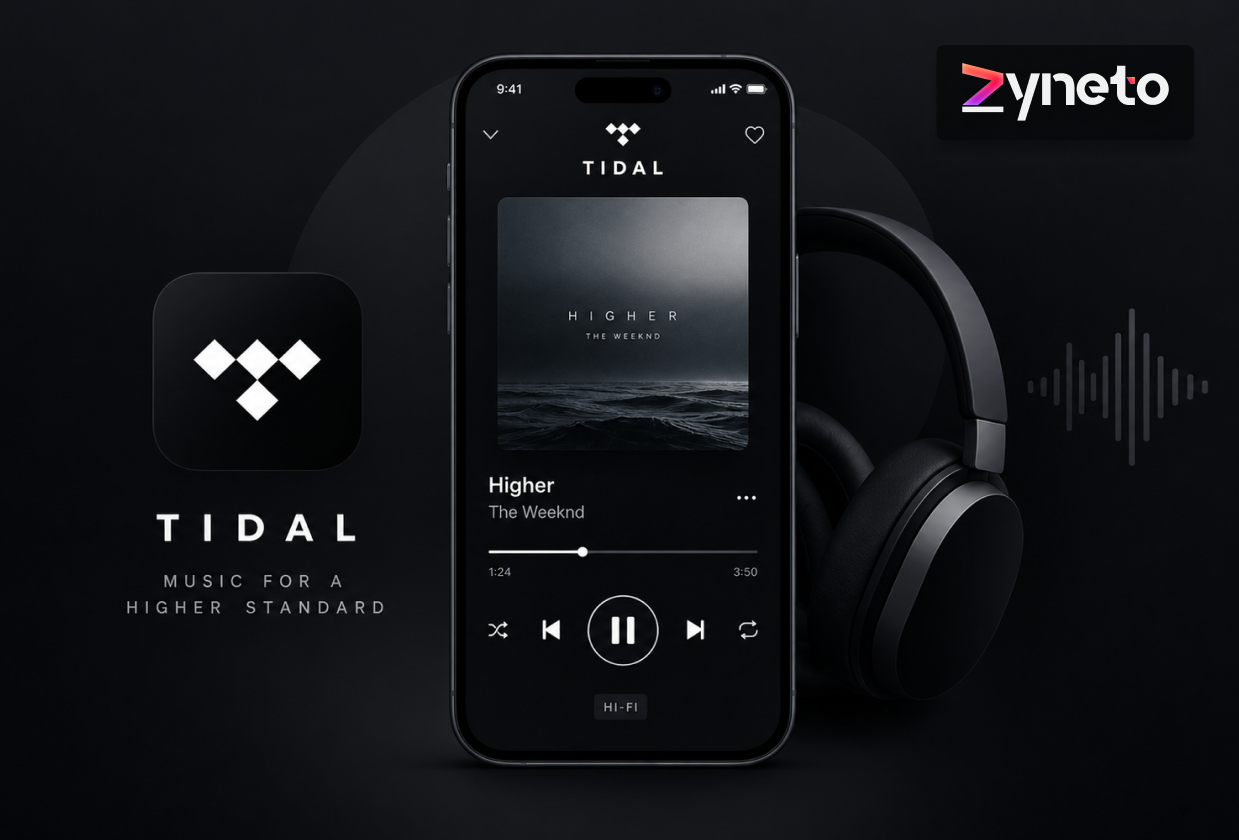
The music streaming industry has evolved far beyond simple audio playback. Today's listeners expect immersive, high-fidelity experiences, personalized recommendations, and platforms that respect both their preferences and the artists they love.
Tidal has carved out a unique position in this crowded market by focusing on lossless, high-resolution audio and an artist-centric business model.
If you're an entrepreneur or business looking to build a music streaming app like Tidal, this guide walks you through everything you need to know, from market opportunity to tech stack, features, development process, and cost.
Whether you're targeting audiophiles, independent artists, or a niche music community, understanding this guide to Tidal clone app development is important.
Let’s get into it:
Before diving into development, it's important to understand why Tidal has built a loyal user base despite competing against giants like Spotify and Apple Music.
Tidal's biggest differentiator is its commitment to lossless and hi-res audio formats like FLAC and MQA (Master Quality Authenticated).
While competitors often compress audio files to save bandwidth, Tidal delivers studio-quality sound, appealing directly to audiophiles and professional musicians who care about audio fidelity.
Tidal has positioned itself as an artist-friendly platform, offering better royalty payouts compared to other streaming services.
This has helped it build strong relationships with musicians, who in turn promote exclusive content and releases on the platform.
Tidal frequently offers exclusive album releases, music videos, and behind-the-scenes content, giving users a reason to choose it over free alternatives.
If you're exploring Tidal clone app development, exclusive content can help you create a stronger value proposition and give users more reasons to stay subscribed.
Unlike ad-supported platforms, Tidal maintains a premium, subscription-only experience, reinforcing its positioning as a high-end music service.
Understanding these pillars is essential because they should directly inform the features and business model of any app you build in this space.
The global music streaming market continues to grow steadily, driven by increasing smartphone penetration, improved internet infrastructure, and rising consumer willingness to pay for premium digital content.
While the market has major players, there remains significant room for Tidal-like app development, particularly those targeting the following:
Rather than competing head-on with Spotify's massive catalog and network effects, many successful new entrants create a music streaming app by focusing on audio quality, community, or a specific underserved audience segment.
Building a competitive music streaming platform takes more than adding an audio player.
In this Tidal clone app development guide, let’s break down the essential music app features across different layers of the platform.
Account Registration and Profiles
Users need a smooth onboarding experience with options for email, phone, or social media sign-up, along with profile customization.
High-Fidelity Audio Streaming
This is the core differentiator. Supporting lossless formats (FLAC, ALAC) and hi-res audio (MQA or similar technology) requires careful attention to encoding, bandwidth management, and adaptive streaming based on network conditions.
Offline Listening
Allowing users to download tracks and albums for offline playback is critical for retention, especially for users with limited data plans or those who travel frequently.
Personalized Playlists and Recommendations
AI-driven recommendation engines that analyze listening history, skip behavior, and preferences help keep users engaged and returning daily.
Curated Editorial Content
Human-curated playlists, artist interviews, and exclusive content differentiate premium platforms from purely algorithmic competitors.
Real-time lyrics display, synced to the audio, has become a standard expectation among modern streaming users.
Users expect to start listening on their phone and continue seamlessly on a desktop, smart speaker, or car system.
Enabling users to share tracks, create collaborative playlists, and follow friends or artists adds a social layer that increases engagement.
Artists and labels need tools to upload content, track streaming analytics, view royalty earnings, and manage their profile presence.
Automated systems for calculating and distributing royalties transparently are essential for maintaining trust with content creators.
Since music licensing is legally complex, the platform needs robust tools to manage rights, territories, and usage restrictions for every track in the catalog.
Admins need visibility into user behavior, subscription trends, churn rates, and revenue metrics to make informed business decisions.
Supporting multiple subscription tiers, family plans, and various payment methods (credit cards, digital wallets, regional payment gateways) is critical for global reach.
Ensuring uploaded content meets platform guidelines and copyright requirements protects the business from legal risk.
For international scaling, supporting multiple languages, currencies, and regional content libraries is important.
The right technology stack can make or break your music streaming app, affecting everything from streaming performance to scalability.
As part of this Tidal clone app development guide, here’s a recommended tech stack to power a reliable and high-performing platform:
So you've decided you want to build a music streaming app like Tidal. That's exciting, but let's be honest, it's also a pretty big undertaking.
Below, we've broken down the entire development process into simple, easy-to-follow steps. Let's get into it.
Before you write a single line of code, you need to understand who you're building this for.
Tidal carved out its space by focusing on audiophiles and artist royalties. What's going to be your angle?
Maybe you want to focus on a specific genre, a regional audience, or a unique pricing model.
Spend time studying competitors like Spotify, Apple Music, and Tidal itself. Look at their strengths and, more importantly, their weaknesses.
Talk to potential users if you can. Ask them what frustrates them about their current music app.
This research phase isn't glamorous, but it's the foundation everything else gets built on. Skip it, and you risk building something nobody actually wants.
This is the part a lot of people underestimate, and honestly, it can make or break your entire project.
You can't just upload songs and call it a day. You need licensing agreements with record labels, distributors, and performance rights organizations.
This usually means talks with major labels (Universal, Sony, Warner) plus indie distributors and rights organizations like ASCAP or BMI.
Licensing costs money, often a lot of it, and negotiations can take months.
Some startups choose to partner with music aggregators or licensing platforms to speed things up instead of going label by label.
Either way, get your legal team involved early. This isn't something you want to figure out after your app is already built.
Now comes the fun part, deciding what your app will actually do.
At a minimum, you'll want:
Tidal's biggest selling point is its high-fidelity audio, so if that's your differentiator too, you'll need lossless streaming support baked in from day one.
Think about what makes your app worth switching to. Is it better sound quality, better recommendations, or a fairer deal for artists?
Whatever it is, make sure it's clear in your feature list, not just an afterthought.
Your tech stack decides how your app performs, scales, and feels to use.
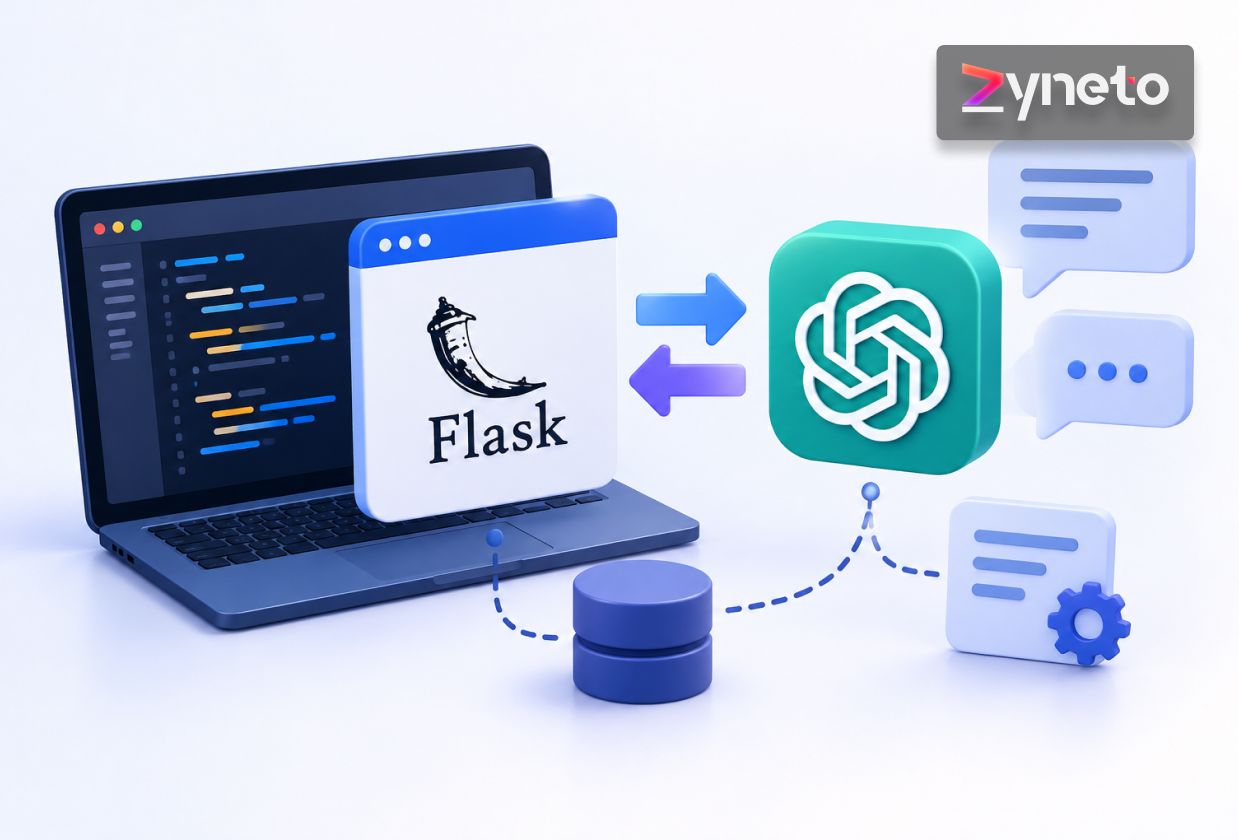
For the backend, many music apps use Node.js, Python, or Java, paired with databases like PostgreSQL or MongoDB for handling user data and metadata.
For streaming itself, you'll need a robust CDN (Content Delivery Network) to make sure songs load fast no matter where your users are.
On the frontend, native development with Swift for iOS and Kotlin for Android gives the smoothest experience, though cross-platform frameworks like Flutter or React Native can save time and budget.
You'll also need cloud storage solutions like AWS S3 or Google Cloud Storage to hold your massive music library.
Pick technologies that can scale with you, because if your app takes off, you don't want to be rebuilding your infrastructure from scratch.
People judge apps fast, sometimes within seconds of opening them.
Your design needs to feel clean, intuitive, and honestly, a little addictive, which is why it is an important part when considering how to build an app like Tidal.
Think about how easy it is to find new music, create playlists, or switch between songs without friction.
Dark mode, smooth animations, and a minimal but expressive interface go a long way in music apps specifically.
Get wireframes done early and test them with real users before committing to full development.
Small design choices, like how playlists are organized or how the player bar looks, can seriously impact user retention.
Don't rush this stage. A clunky interface can undo all the hard work you put into features and licensing.
Don't try to build the entire Tidal experience on your first attempt. Start with a Minimum Viable Product (MVP).
Your MVP should include core streaming, basic playlist functionality, search, and a simple recommendation system.
This lets you launch faster, gather real user feedback, and avoid burning your entire budget before you know if the concept works.
Once you have real usage data, you can prioritize what to build next based on what users actually want, not just what you assumed they'd want.
Many successful apps started small and scaled features over time based on user behavior and feedback loops.
This approach also reduces risk, since you're not investing everything into features that might not even resonate with your audience.
Since audio quality is at the heart of Tidal's identity, it deserves serious attention when you're figuring out how to make an app like Tidal.
You'll need to decide between lossy formats (like AAC or MP3) and lossless formats (like FLAC) for premium tiers.
Implementing adaptive bitrate streaming helps too, since it adjusts audio quality based on the user's internet connection automatically.
Test extensively across different devices and network conditions. What sounds great on a fast Wi-Fi connection might stutter on mobile data.
Audio engineers or consultants can help you fine-tune this, since getting compression and quality balance wrong can hurt your reputation fast.
Your backend needs to handle millions of song requests, user sessions, and data points without breaking a sweat.
Load balancing, caching (using tools like Redis), and database optimization are non-negotiable if you expect real growth.
You'll also need robust APIs connecting your app to your licensing databases, payment systems, and recommendation engines.
Security matters a lot here too, since you're handling user payment info and protecting copyrighted content from piracy.
Building for scale from the start saves you painful, expensive rewrites later when your user base grows.
Before launching, test your app across different devices, operating systems, screen sizes, and network conditions to ensure a consistent experience.
If you're exploring how to create an app like Tidal, beta testing with real users can help uncover hidden bugs, confusing UI elements, and performance issues.
Pay special attention to streaming stability, buffering, audio quality, and payment gateway functionality, as these factors directly impact user satisfaction and trust.
Once you're confident in your build, launch to your target market and start collecting real feedback immediately.
Use analytics tools to track user behavior, retention rates, and feature usage.
Keep iterating based on this data, because building an app like Tidal isn't a one-time project; it's an ongoing process of improvement.
On average, the overall cost to create a music streaming app like Tidal can range from $10,000 to $120,000+.
If you are searching for how to build an app like Tidal, music app development costs vary significantly based on feature complexity, platform choice, and team location.
Here's a general breakdown:
Additional ongoing costs include cloud hosting, CDN bandwidth, music licensing fees, and customer support infrastructure, which can be substantial given the data-intensive nature of high-fidelity audio streaming.
Before you jump on the bandwagon and start building your dream app, it’s important to understand that music app development challenges can impact both development time and overall costs.
Here are some common reasons why a music app fails, along with practical ways to overcome them:
Securing rights to stream music legally is one of the most challenging aspects of building a platform like Tidal. You'll need agreements with major labels, independent artists, and performance rights organizations, which vary by country and region.
Hi-res audio files are significantly larger than standard compressed formats, meaning storage and bandwidth costs will be higher than typical streaming apps. Efficient CDN strategies and adaptive streaming are essential to manage these costs.
Spotify, Apple Music, and Amazon Music have massive catalogs and user bases. Differentiation through audio quality, niche targeting, or unique community features is essential for carving out market share.
An artist-first royalty model, like Tidal's, requires transparent payment structures and genuine engagement with the artist community to build credibility.
A successful music app like Tidal can generate revenue through several models:
Offering multiple pricing tiers (standard quality vs. hi-fi audio) allows you to capture different customer segments willing to pay different price points.
Bundled subscriptions for multiple users increase customer lifetime value and reduce churn.
Partnering with artists for exclusive releases can drive subscriptions and press coverage.
Licensing your platform's technology or content library to businesses like gyms, retail stores, or hospitality brands creates an additional revenue stream.
Launching a music app like Tidal is an ambitious but achievable goal for businesses willing to invest in quality audio infrastructure, a strong artist-relations strategy, and a well-defined niche within the competitive streaming landscape.
Success depends not just on replicating Tidal's feature set, but on understanding what makes it valuable to its audience premium audio quality, fair artist compensation, and curated, exclusive content.
Partnering with an experienced music app development company can significantly reduce the risks and complexities involved, from navigating music licensing to building scalable streaming infrastructure.
With the right technology stack, development process, and business strategy, it's entirely possible to build a platform that resonates with today's quality-conscious, artist-supporting music listeners.
If you're ready to bring your music streaming app idea to life, working with a team that understands both the technical and business intricacies of this space will be key to turning your vision into a successful, scalable product.
Costs typically range from $10,000 to $120,000+, depending on features, licensing deals, platform choice, and whether you build an MVP or full-scale product.
Building an MVP usually takes 4-6 months, while a full-featured app with licensing, testing, and polish can take anywhere from 8-14 months
Yes, absolutely. You must secure licenses from record labels, distributors, and rights organizations before streaming any copyrighted music legally on your platform.
Node.js or Python backend, PostgreSQL/MongoDB databases, Swift/Kotlin or Flutter frontend, plus AWS S3 storage and a strong CDN for smooth streaming.
Yes, you can start with independent artists and music aggregators, then pursue major label deals later once you've proven traction and demand.
Sudhanshi has several years of experience in digital marketing and now works on growth at Zyneto. Her work covers SEO, content strategy, organic lead generation, social media and paid campaigns across Google, LinkedIn, Instagram and Facebook. She has run B2B technology and SaaS campaigns for international audiences, helping brands get found in search and stay found, and works day to day in Google Analytics, Search Console, Ahrefs, SEMrush, Screaming Frog and Canva. She follows AI driven marketing, changing search behaviour, content automation and social growth closely, and turns audience and search data into plans a team can actually run. She writes about SEO, content strategy and the tactics that still earn traffic as search keeps shifting.
Share your details and we will talk soon.
Be the first to access expert strategies, actionable tips, and the trends actually shaping the digital world. No fluff - just practical insights delivered straight to your inbox.
Dive into our blog and stay ahead of the curve with expert perspectives, future-ready trends, and tech tips written for decision-makers and doers alike.